
Rendering Intent[ions] - 2023
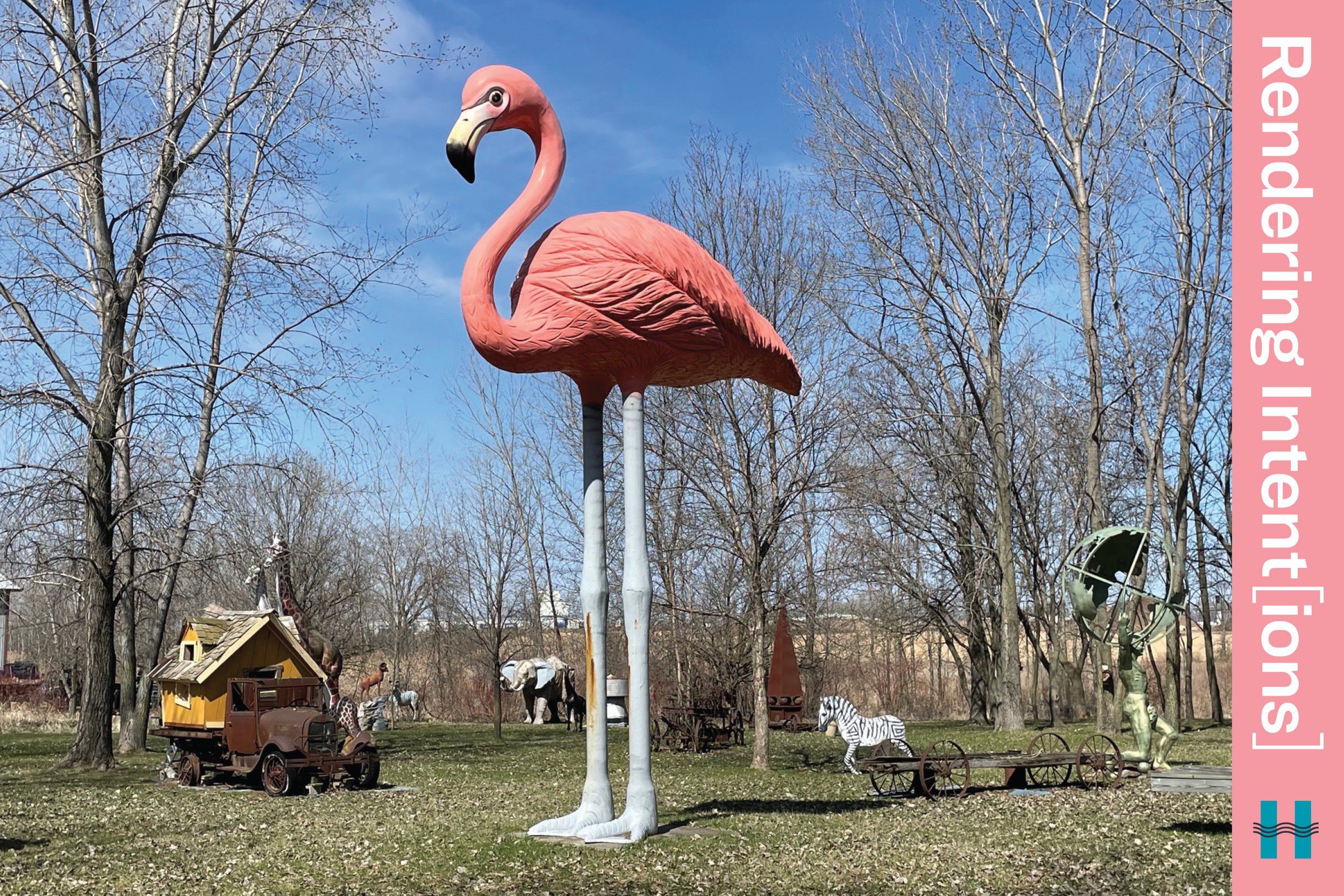
We often think of photographs as mere representations of reality, but they can also serve various purposes and convey artistic value. Art photography, in particular, focuses on aesthetics rather than documentation, pushing the boundaries of the medium with unconventional techniques and subject matter. This exhibit showcases the works of three artists who challenge traditional stereotypes of photography by exploring identity, memory, time, and space through their images.
Art photographers use their skills and creativity to create images that are visually striking and emotionally evocative. Examples of this include, Landscape photography, Portrait photography, Abstract photography, and Conceptual photography—which uses photography to explore a particular idea or concept. Techniques such as long exposures, digital manipulations, and intentional camera movement are used to reveal what is possible from a photographic image.
These examples are broad but provide instances of reconsideration for how photography can be art. Since even the most purposeful-looking photographs are pictures, they are never merely just a photograph. They are always doing other things, such as suggesting other meanings and offering an artistic direction. Rendering Intent[ions] examines photography as an artistic medium through the works of Dan Cross, David Graham, and Terri Warpinski.
Dan Cross’s photographs create visual abstraction—flirting with the limits of recognition and testing our ability to name what we see. David Graham considers the act of seeing using the camera and its framing to investigate regular people and the novelty of everyday life. Terri Warpinski’s methodical approach uses photography as a tool for visual storytelling to create her installations. Each of these artists approaches photography through innovative methods to make observations about the world we live in and the landscapes that surround us.
On Exhibit: September 1–October 8, 2023
Exhibit Sponsors: Dennis & Bonnie Connolly
Dan Cross
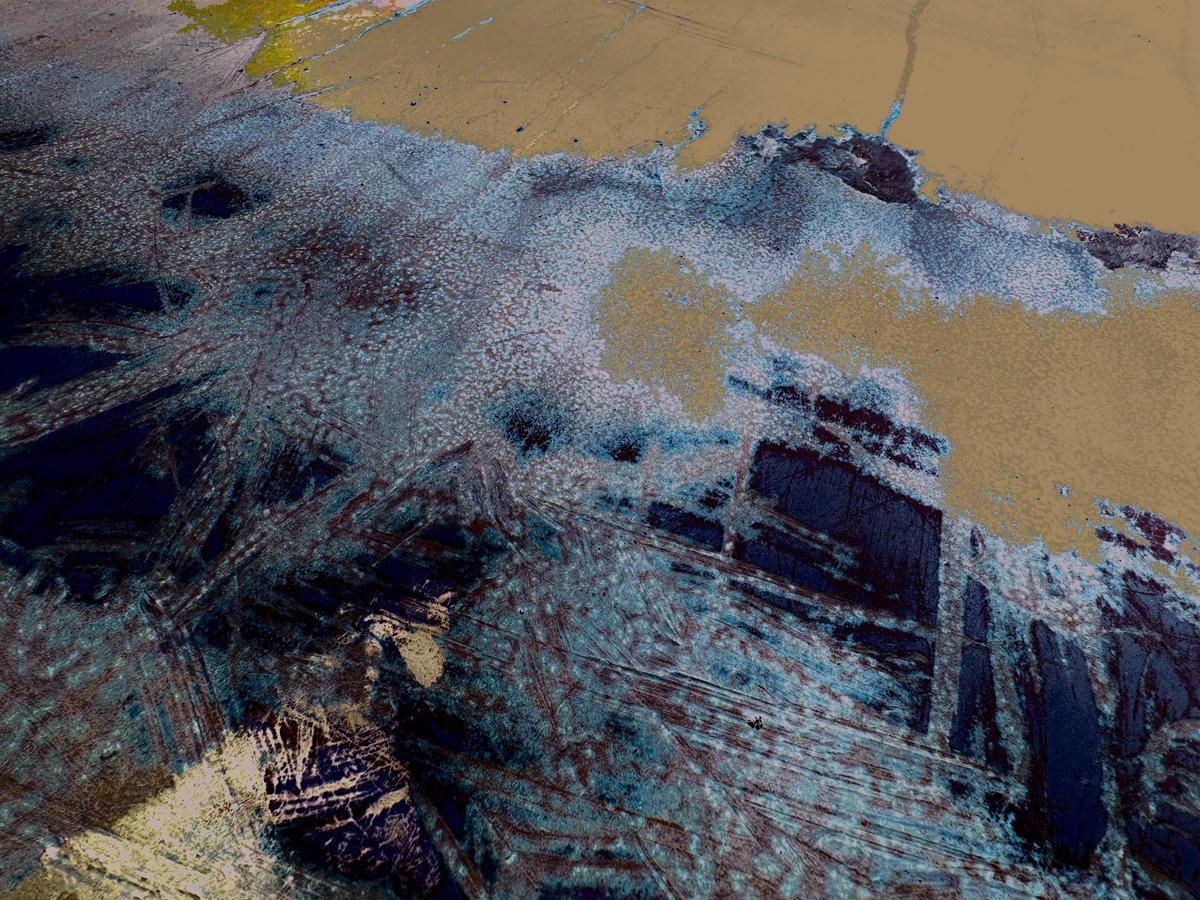
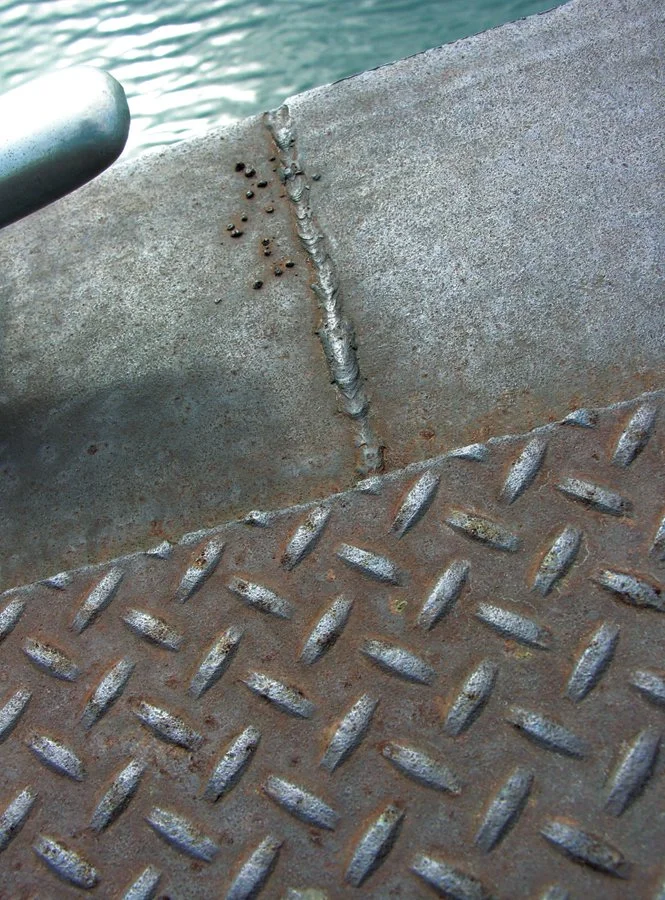
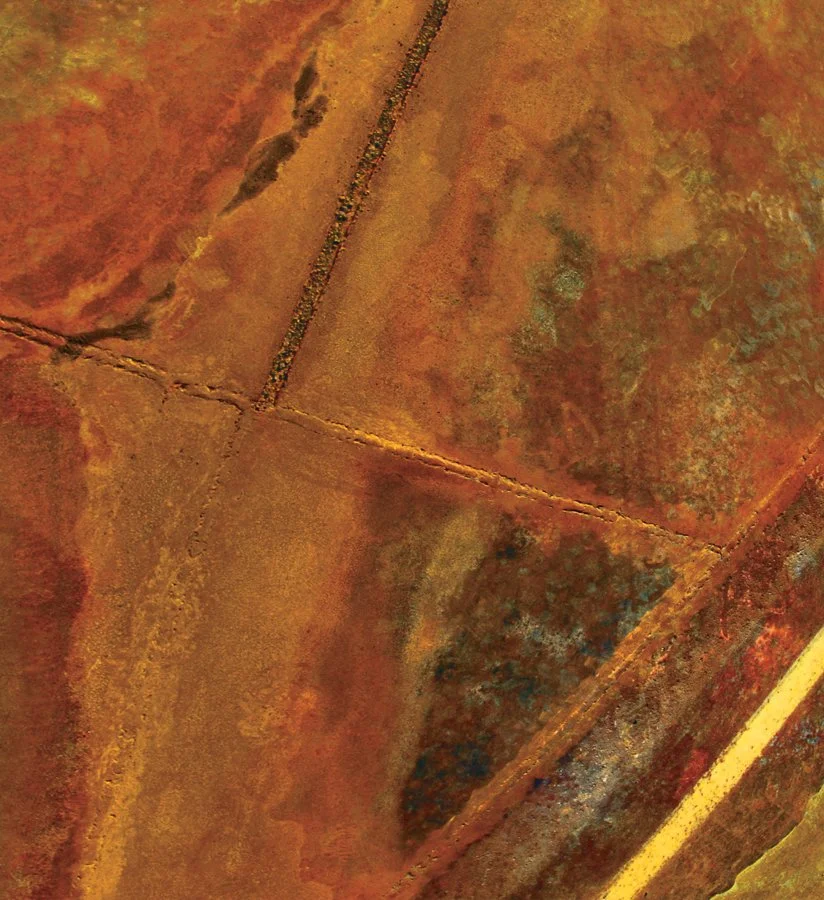
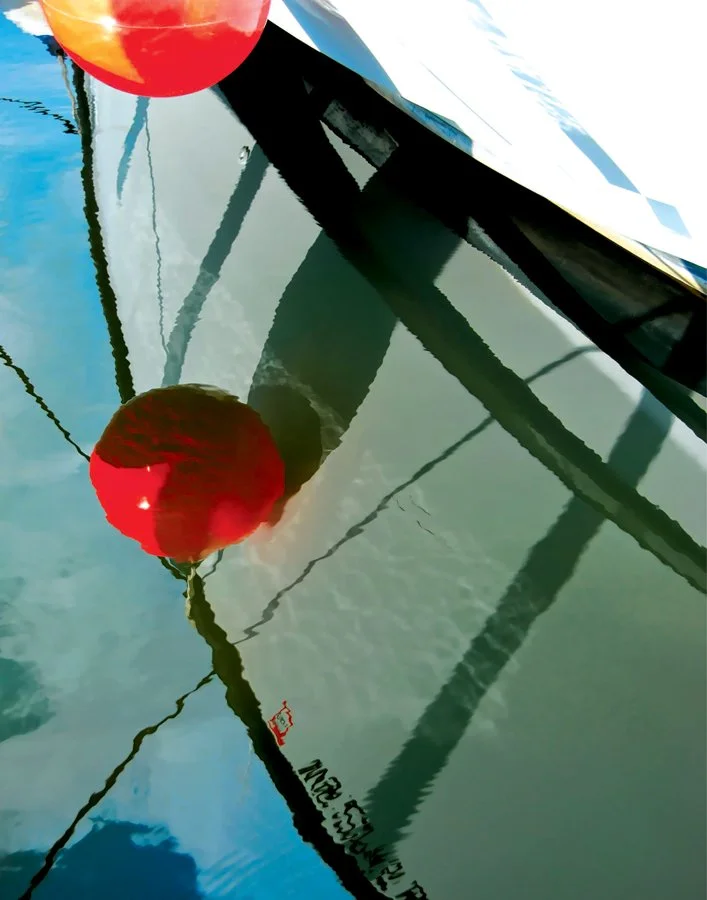
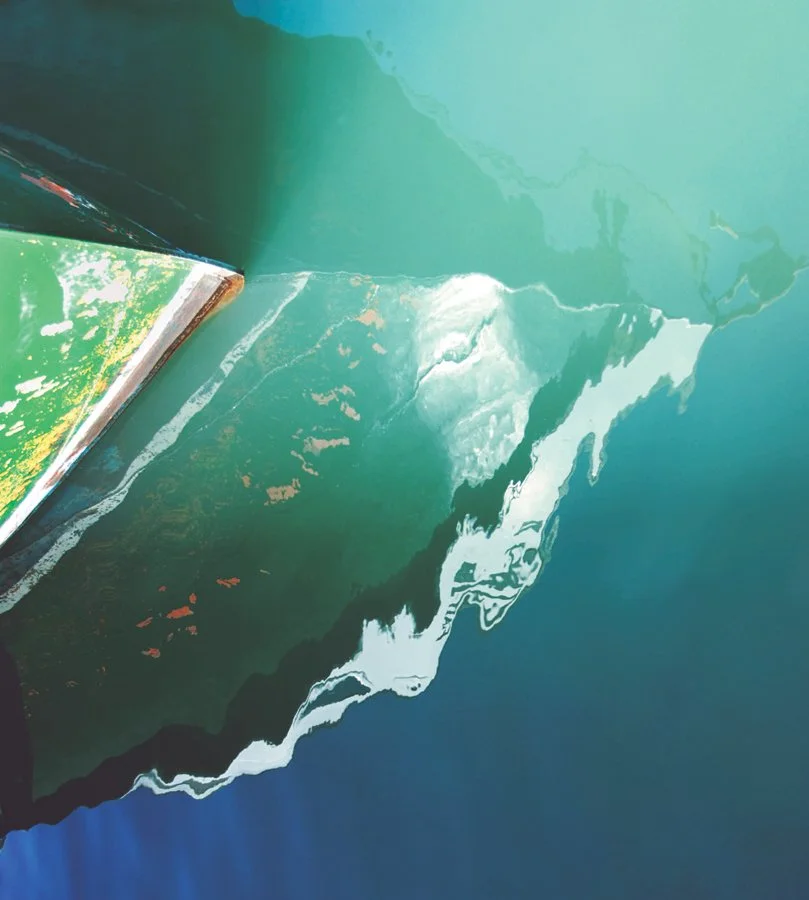
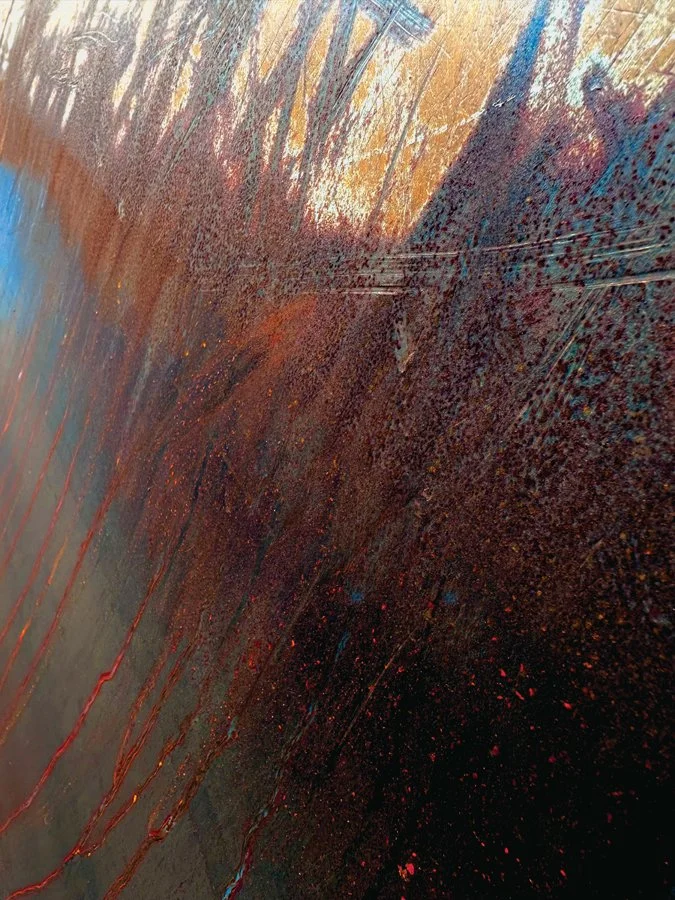
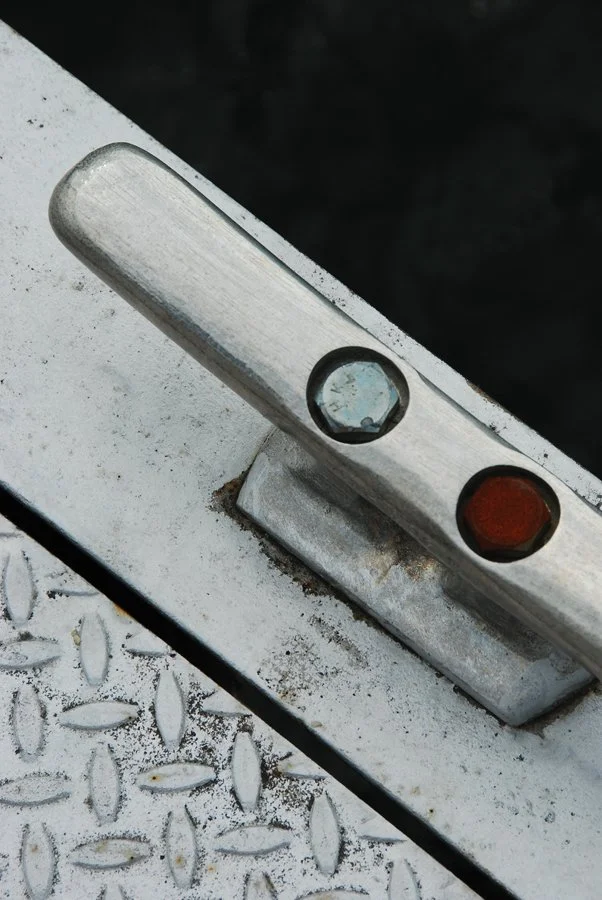
This photography series “Dockside” was inspired by the big docks and smaller piers of Door County, WI. To me, they’ve always been a part of my life, whether big or small, it all depended on what stage I was in life.
The influence of the series began as a child. My parents and three brothers camped in Weborg Campground in Peninsula state Park, Door County, WI. Way back then, decades ago, there were two docks. as a kid, we referred to them as the “big dock” and the “little pier.” The big dock still stands strong. The little one is long gone. submerged in time.
And, so it is with the passing of time. Things change. Our perspective changes too. I’m older now. They are all big docks. as a kid, we laid flat-chested on the burning-hot, summer cement of the big dock, dangling cut liver on a string, hoping to catch the 5-7 inch crabs harboring beneath the sunlit, golden bolders. We called them mini-lobsters. It was a competition to see who got the most in our small, pink and blue, water-filled pails. There were many cherry red, sunburnt bellies over the years for whomever won the honor of catching the most. our mom boiled them and they were a staple in our summer meals.
There were also huge, bull frogs, green spotted, with bulging eyes. They hung out around the grassy shorelines of the Weborg little pier and the surrounding marshes. Frog legs were a staple in our dinners then too. I long for those early days.
Times change. I grew. I got older. Every spring my father and I would drive up from our home in Kenosha to fish the many small piers and big docks for brown and rainbow trout. Back in those days I couldn’t wait for the snow to melt, always looking forward to spring, my annual fishing adventure with my dad. I remember crying one spring when a snowstorm arose on our way to the Door, and we had to turn back. For me as a kid, it was heartbreak- ing. something of the past I can still feel now. a beautiful memory of all the times we fished together, yet, a painful picture of my dad passing way too young. Irony, felt as a memory, it all seemed just yesterday. The docks of Door County mean everything to me.
After many years of getting older, my hair isn’t the dusty, blonde color it once was as a kid. I haven’t dangled for crabs from the big, Weborg dock in decades. The mini-lobsters may still be under the sun-lit rocks, hiding in the depths below. I’ll have to lay down once again, on the summer cement, with my son and grandson, and dangle, when it is not so burning hot. My grandson is only two now, but, he will grow quickly also. Times change. It is, how it is. I hope the memories will linger on.
I hope visitors see the docks differently after viewing my work in this exhibit. And, I hope we save the docks that are left. Many are gone, like the one I remember as a kid casting off of with my dad at schauer Park by Cave Point. The docks, the piers, they are a legacy to the beauty of Door County. We fish off them, we sunbath on them, and as a kid, the canon ball off the end of the big pier was a competition of brothers I’ll always remember.
The iconic, graffiti-colored, Hardy Gallery is a picture-perfect setting to unveil a lifetime of experiences summed up in a few photos from my “Dockside” series. I’m honored and humbled to be showing my images on this hallowed shipping dock.
David Graham
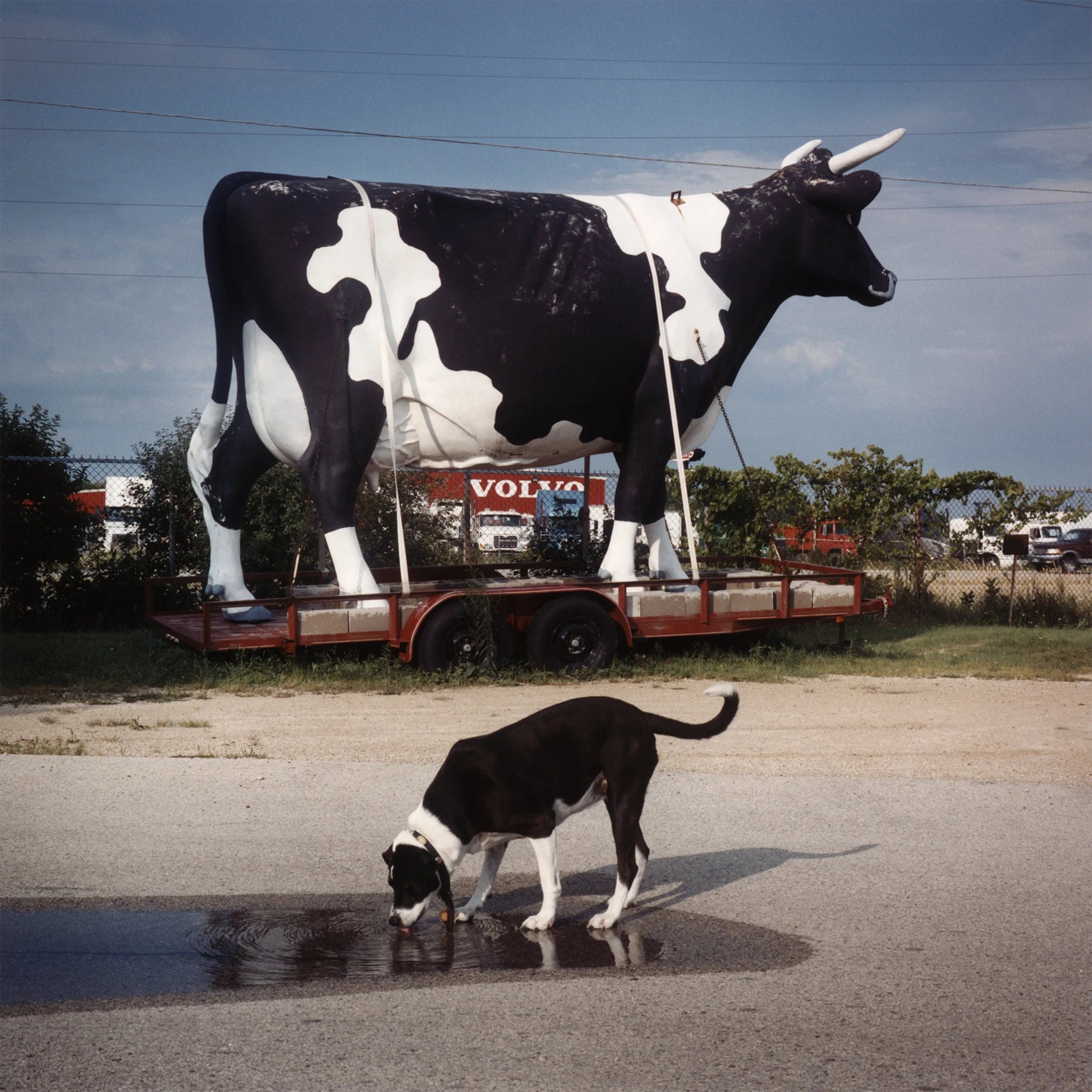
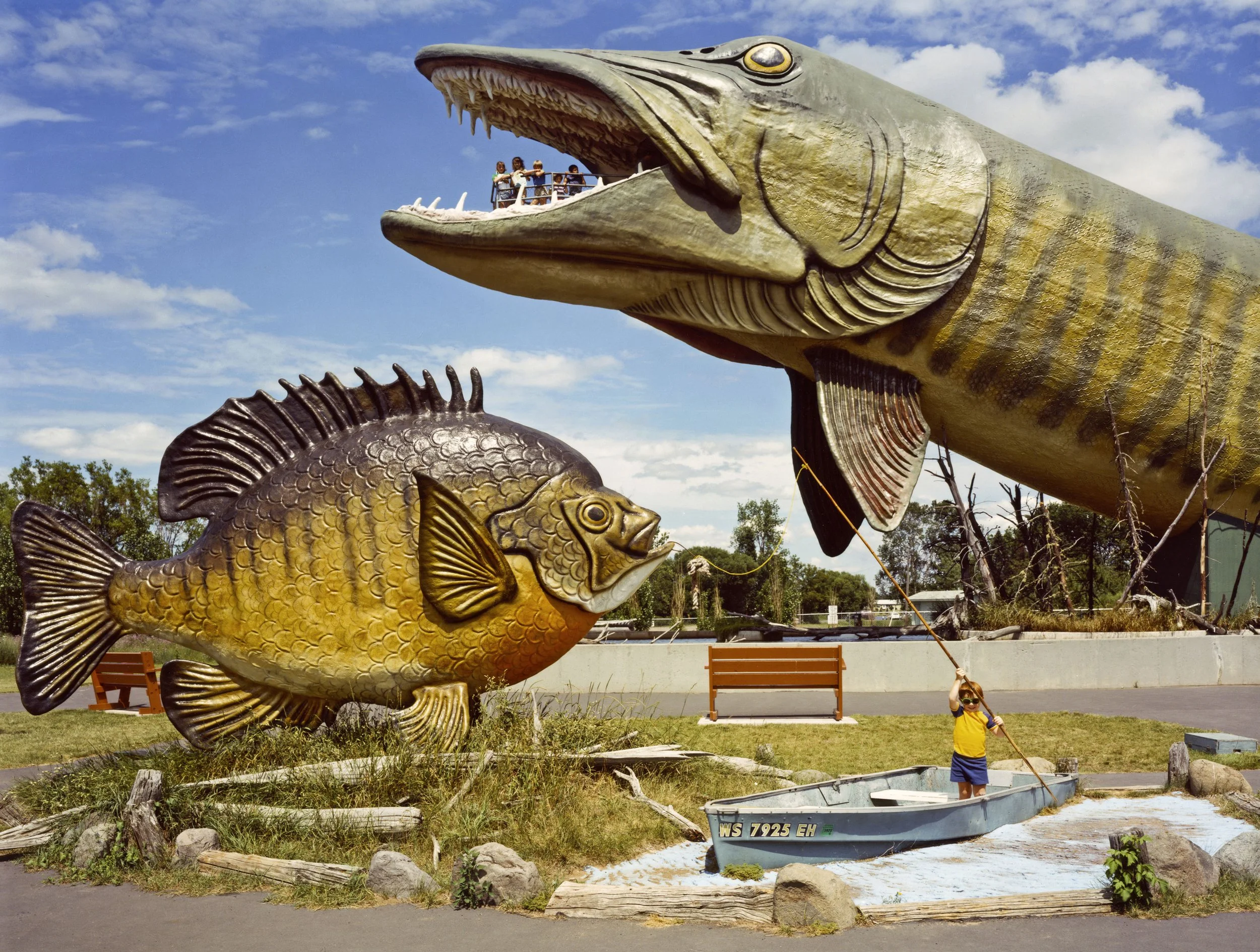
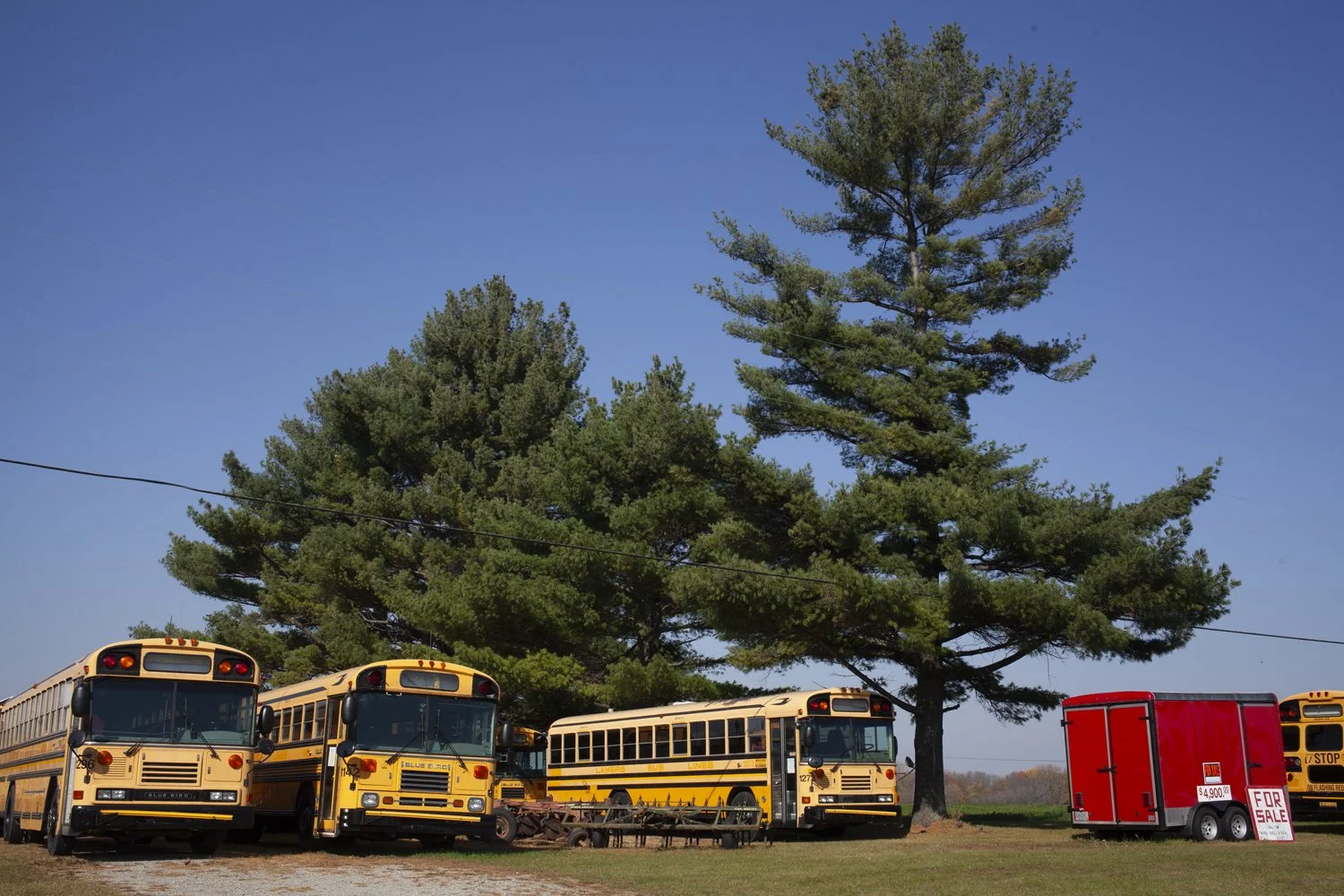
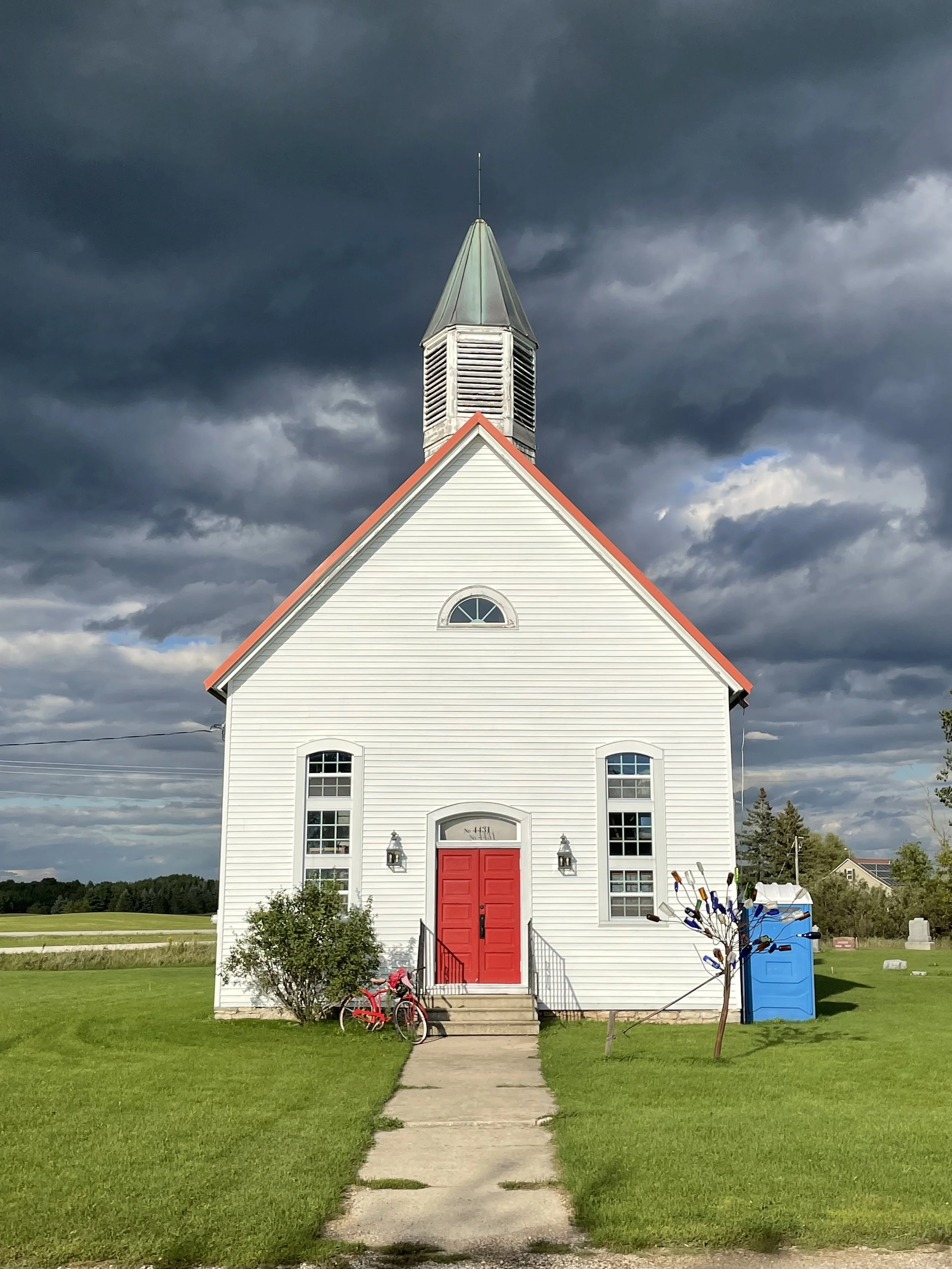
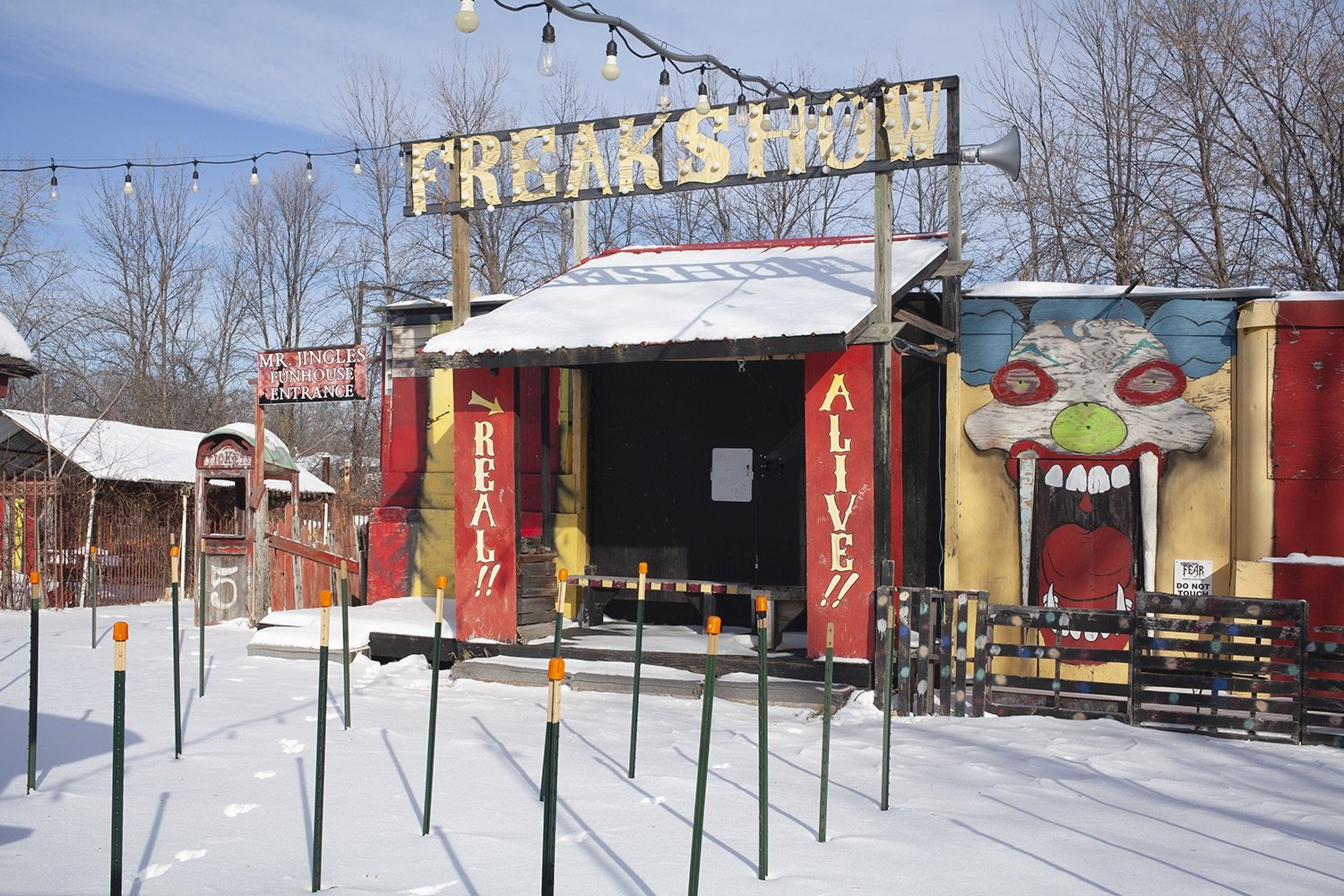
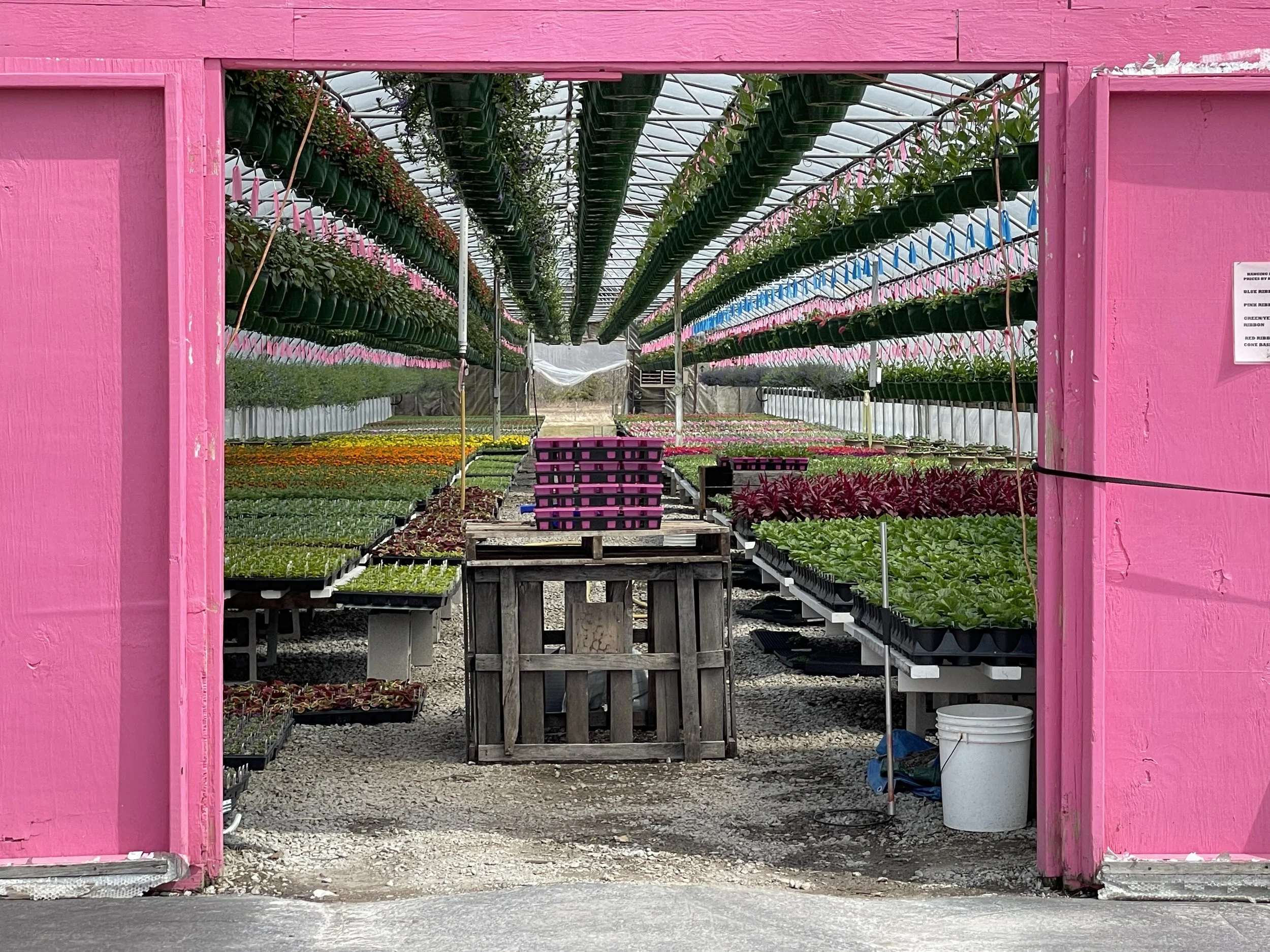
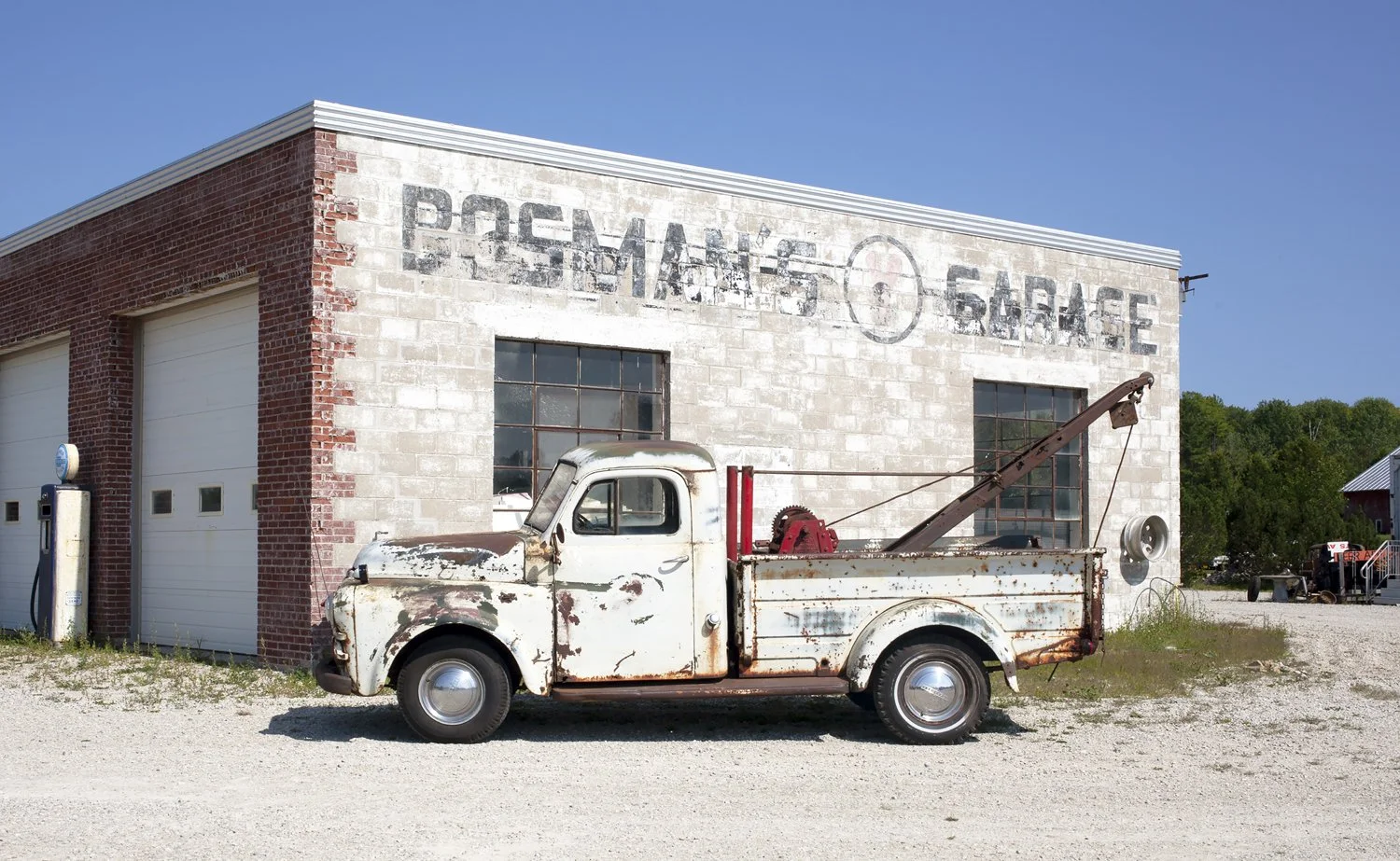
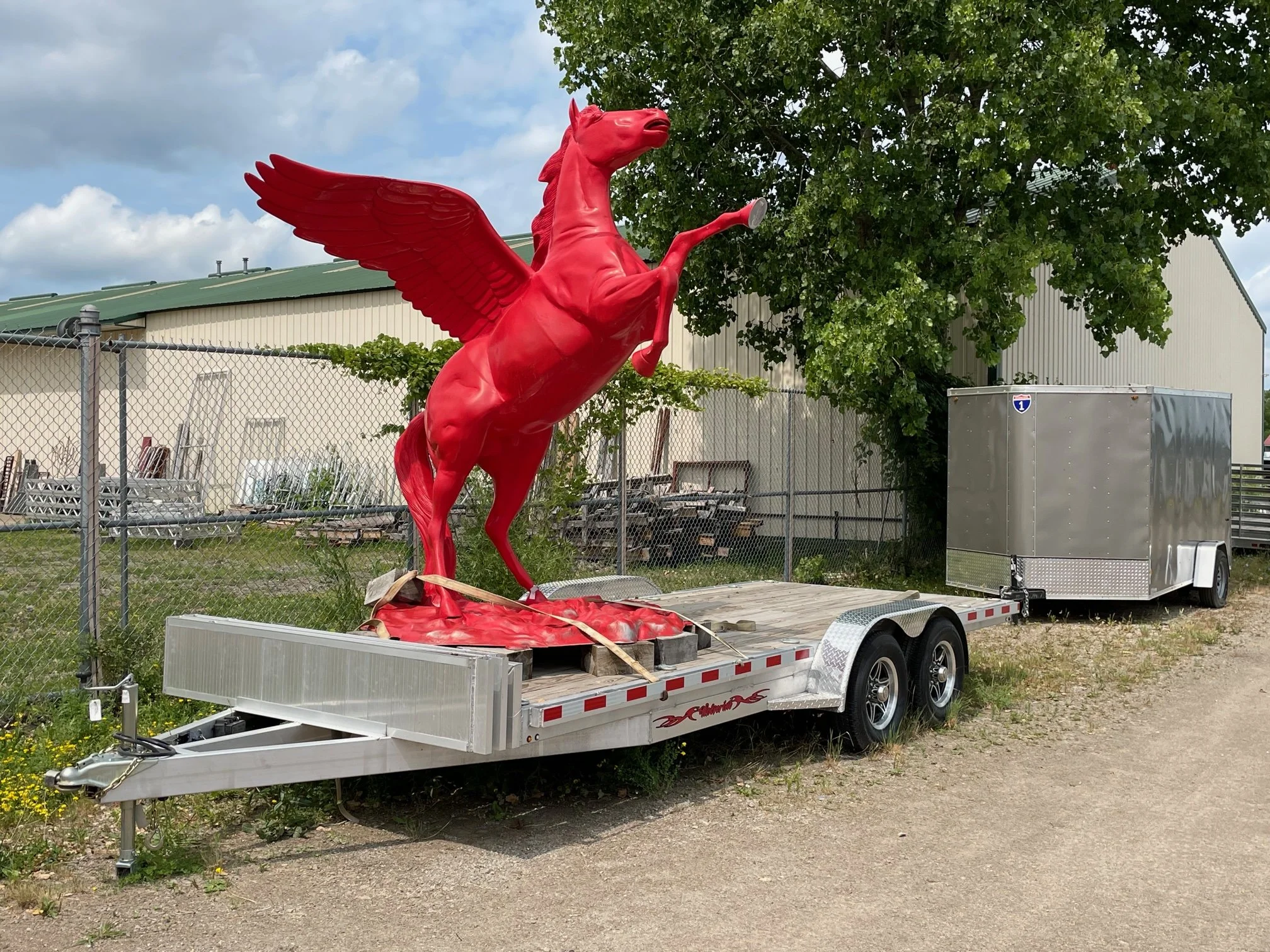
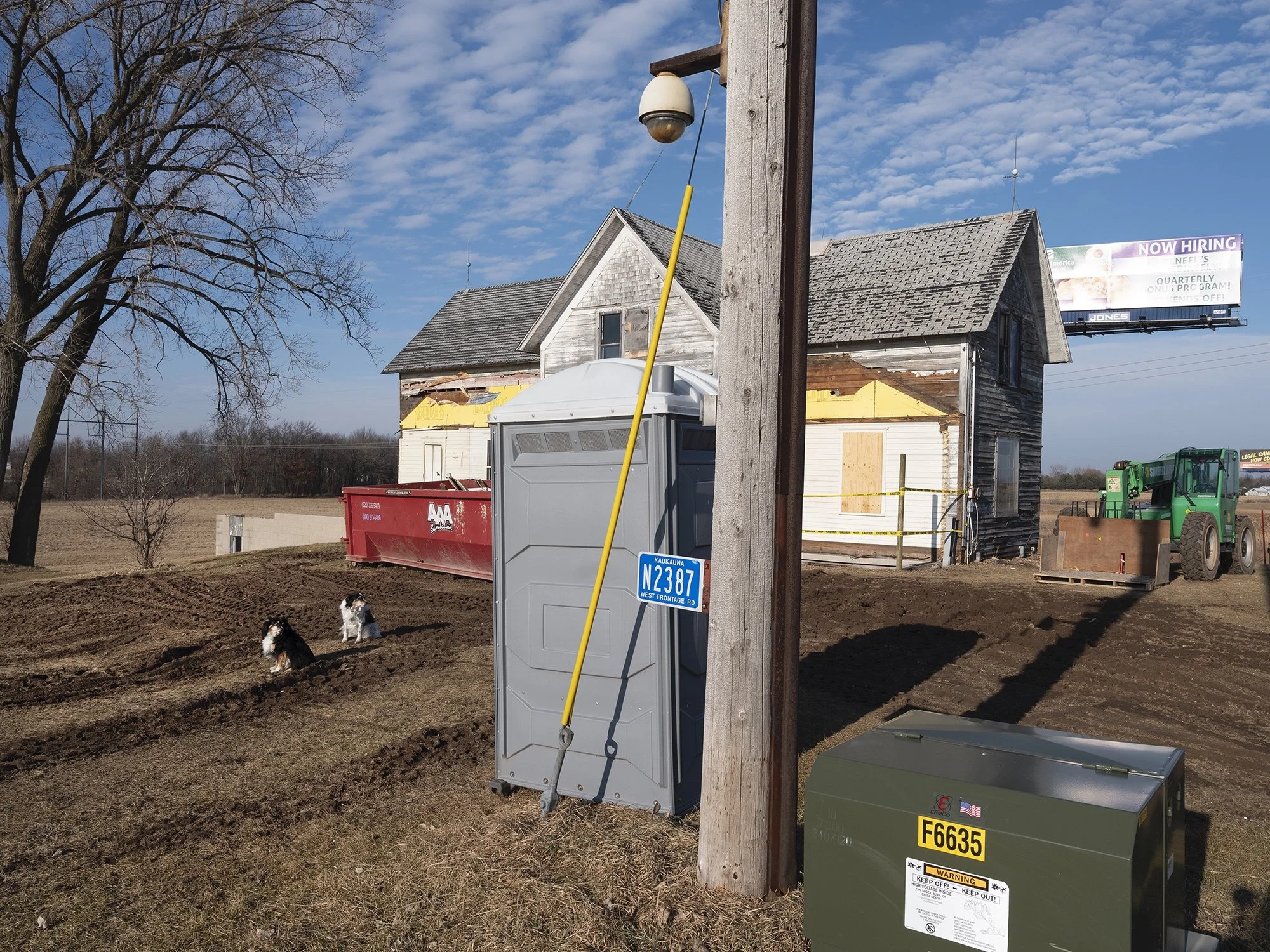
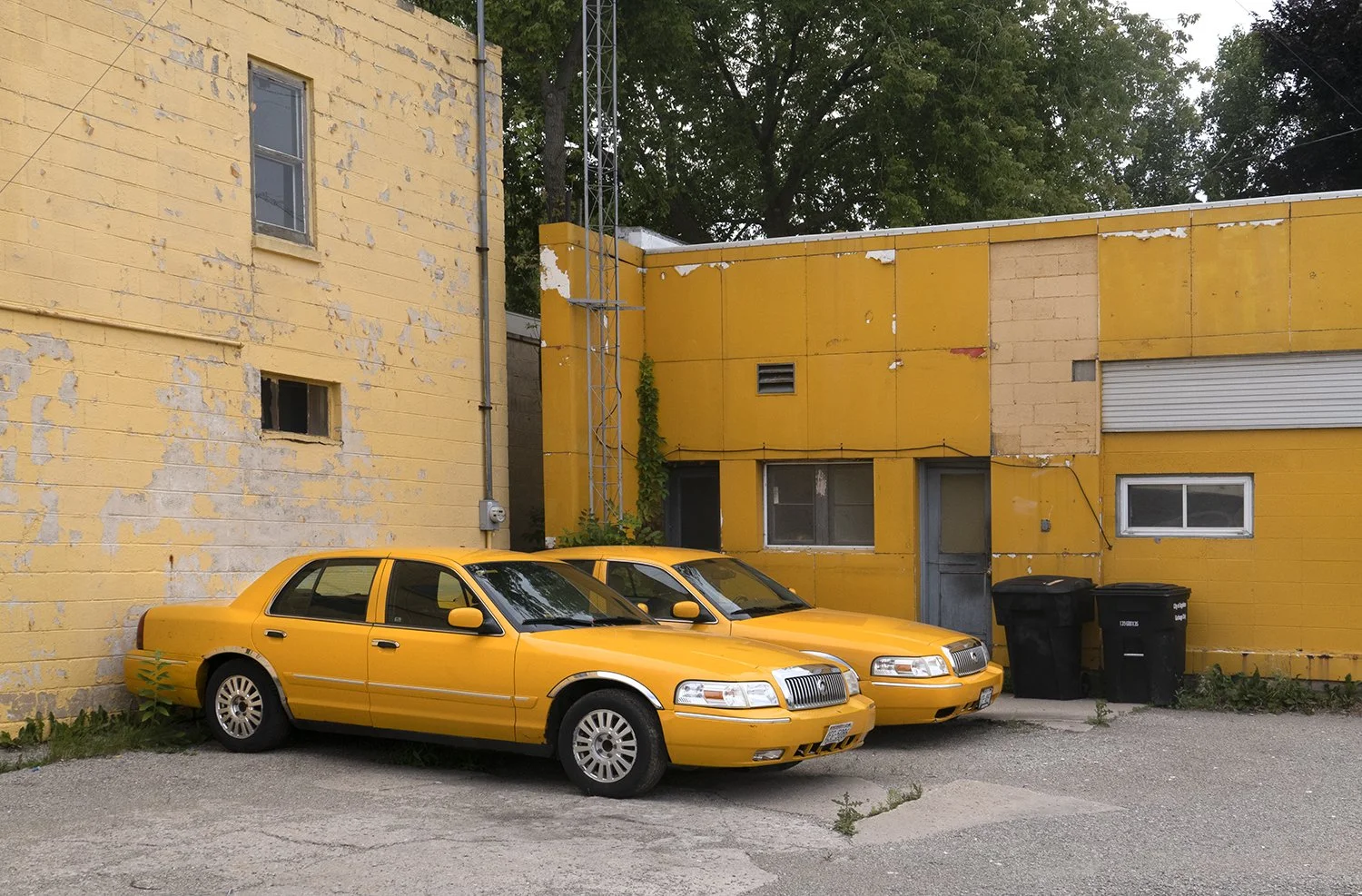
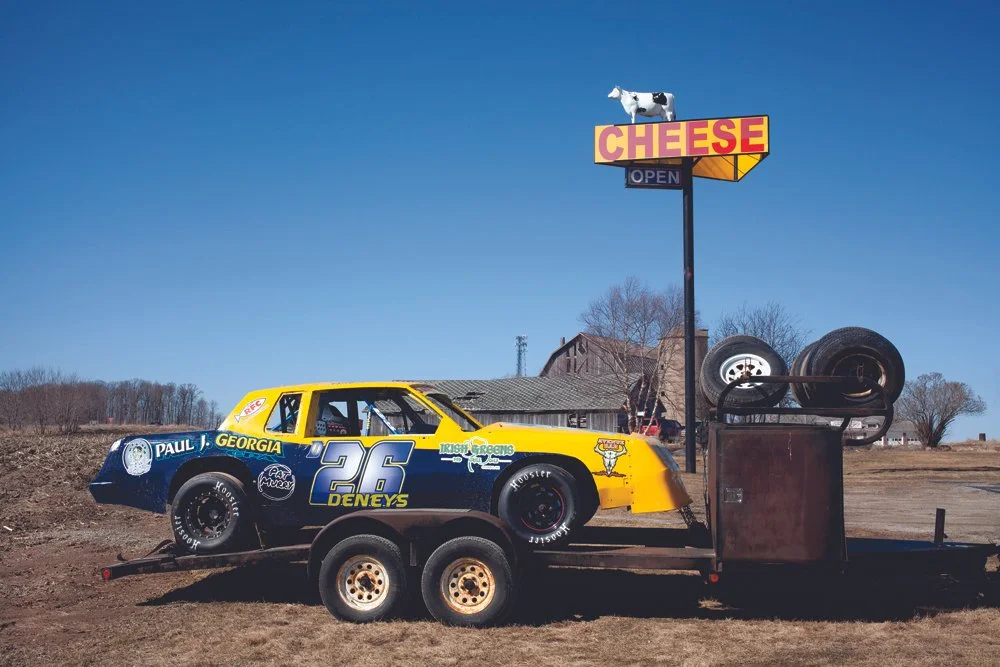
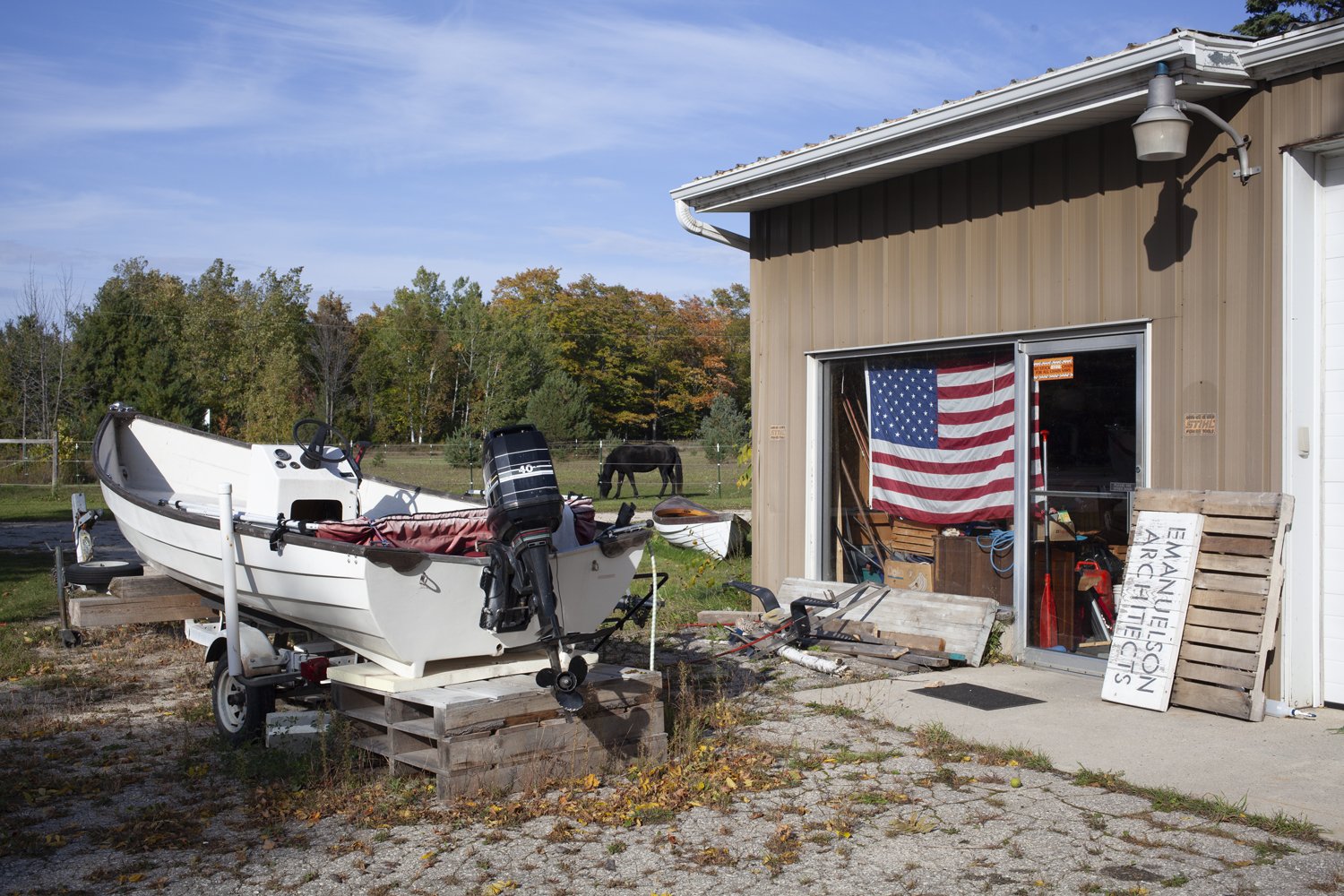
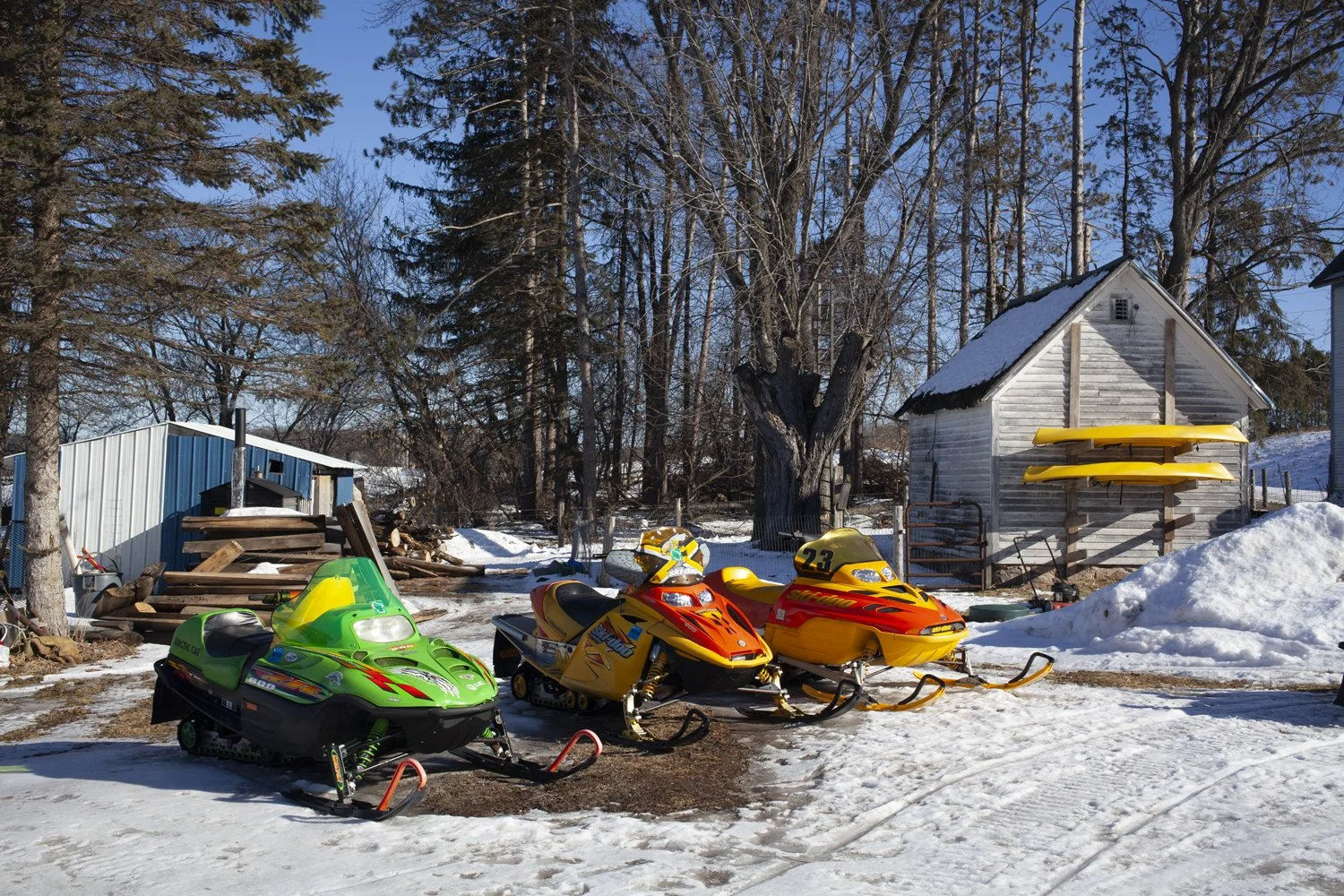
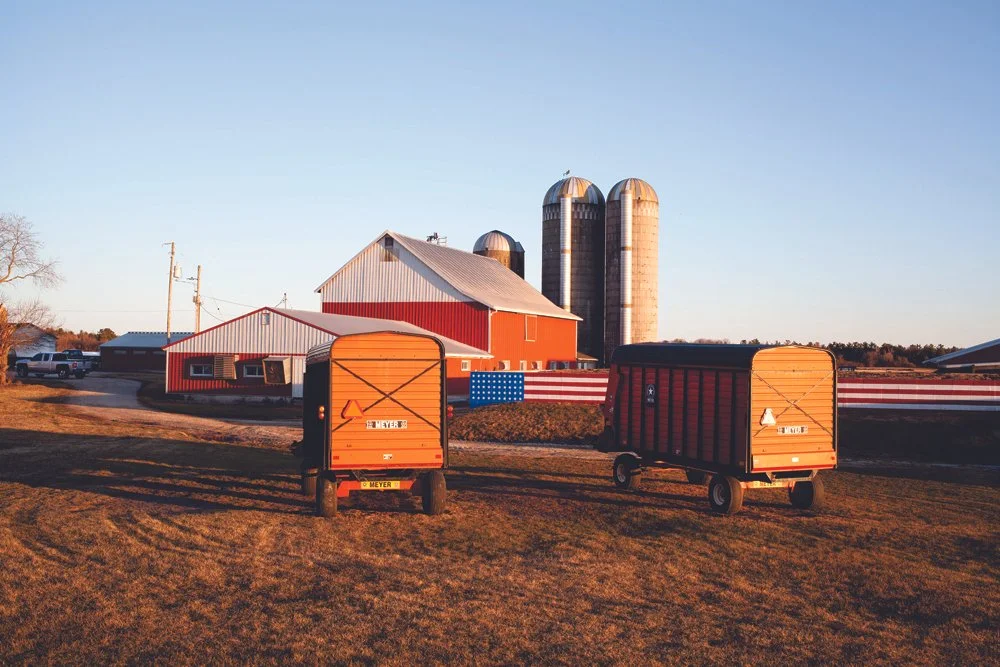
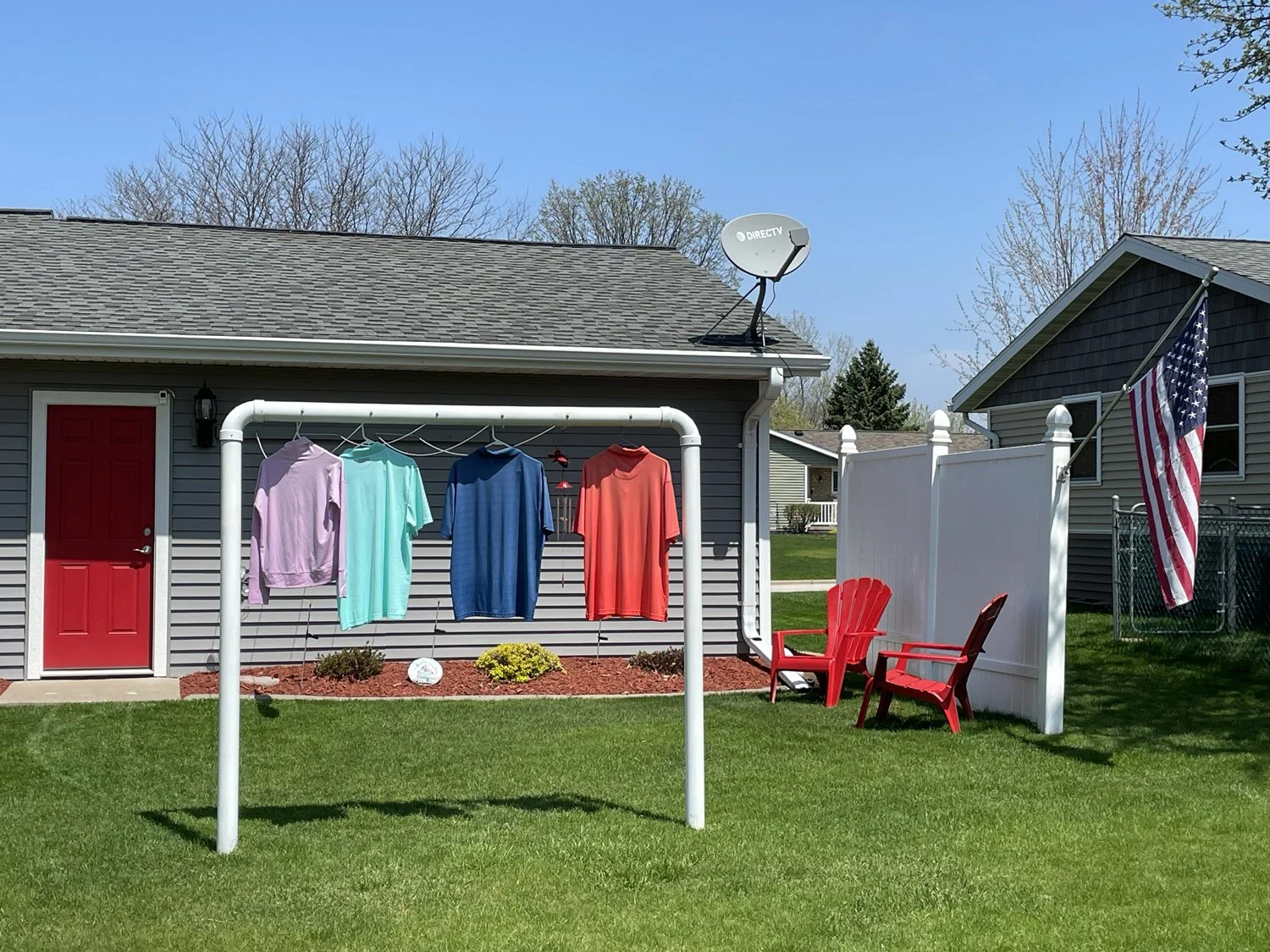
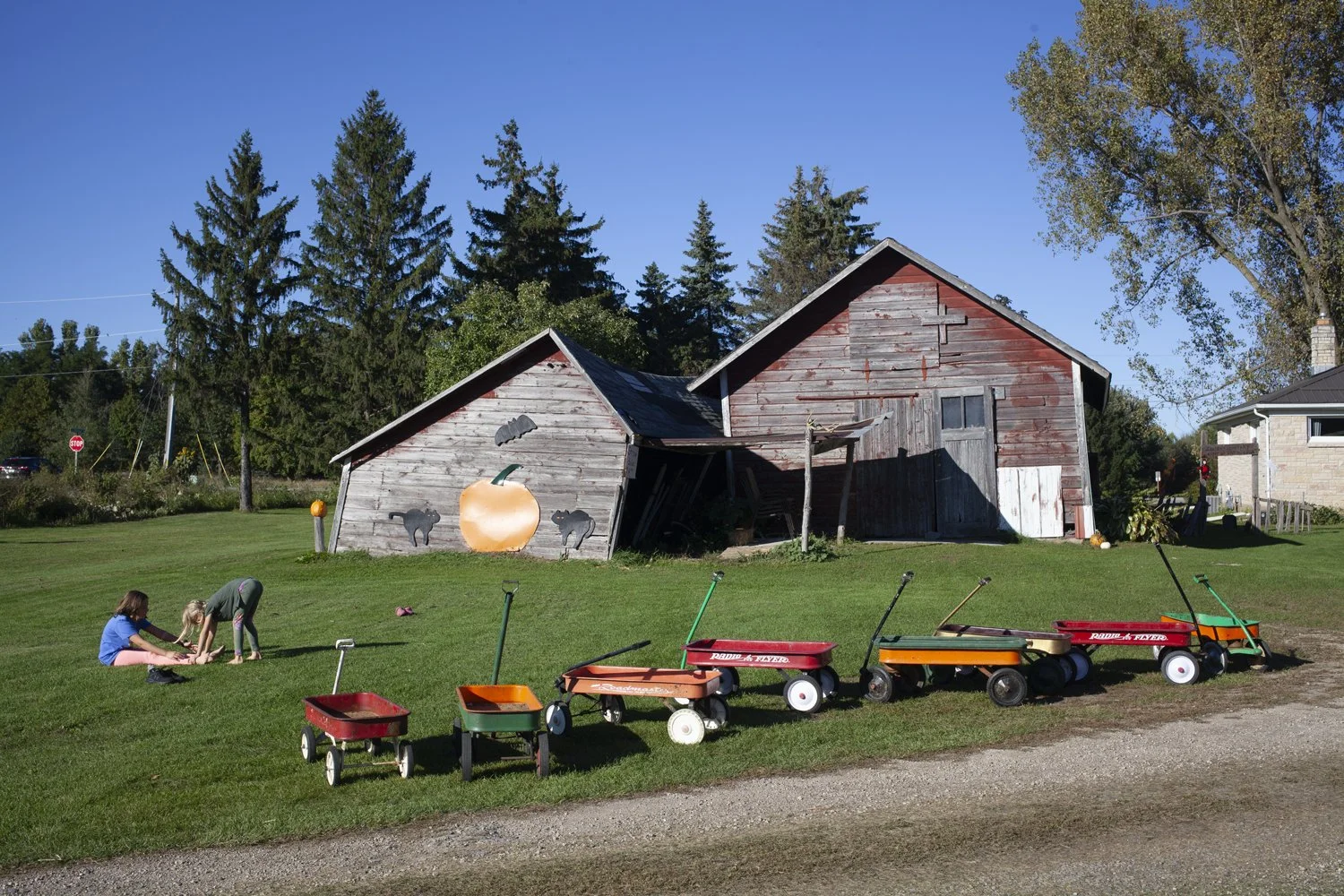
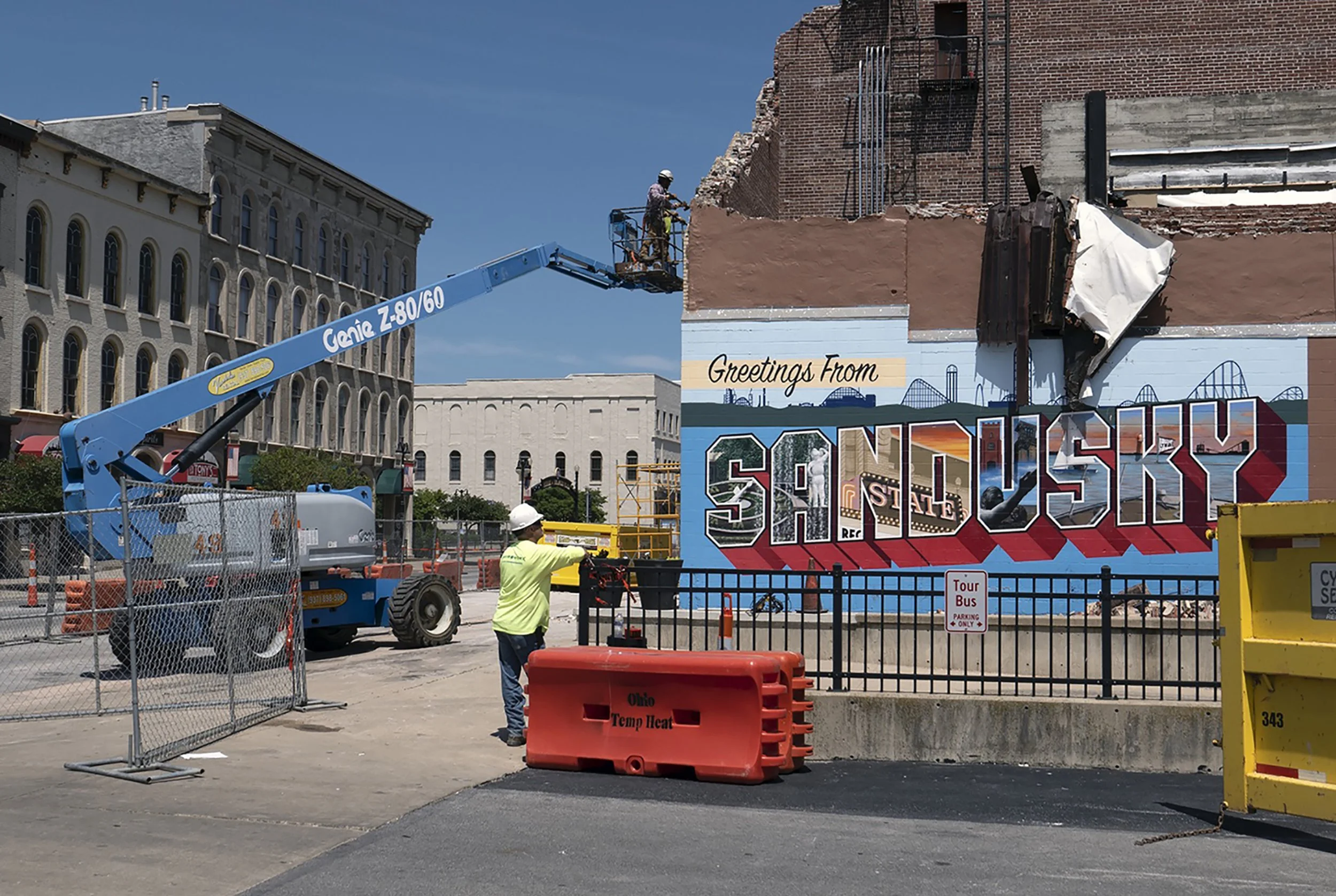
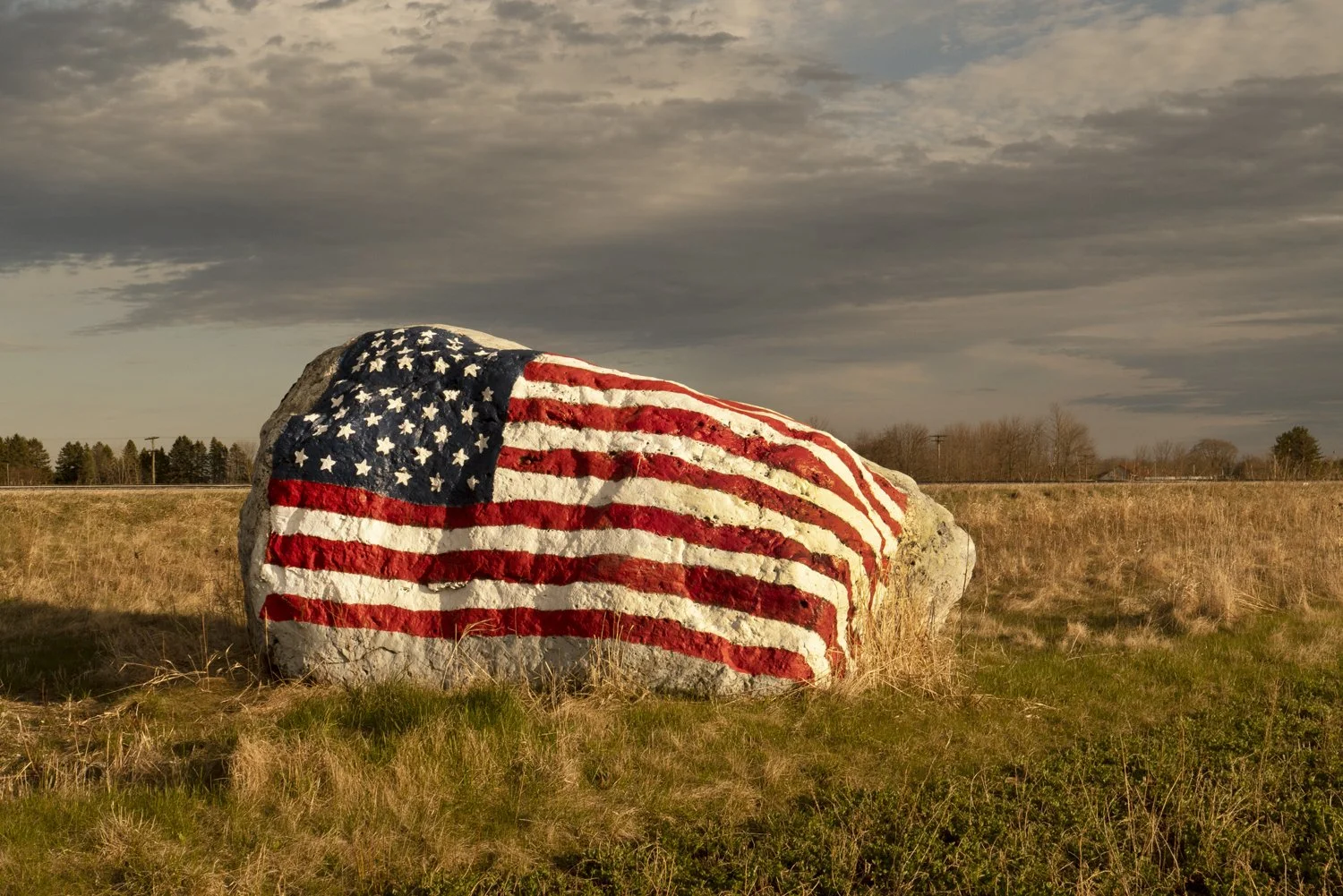
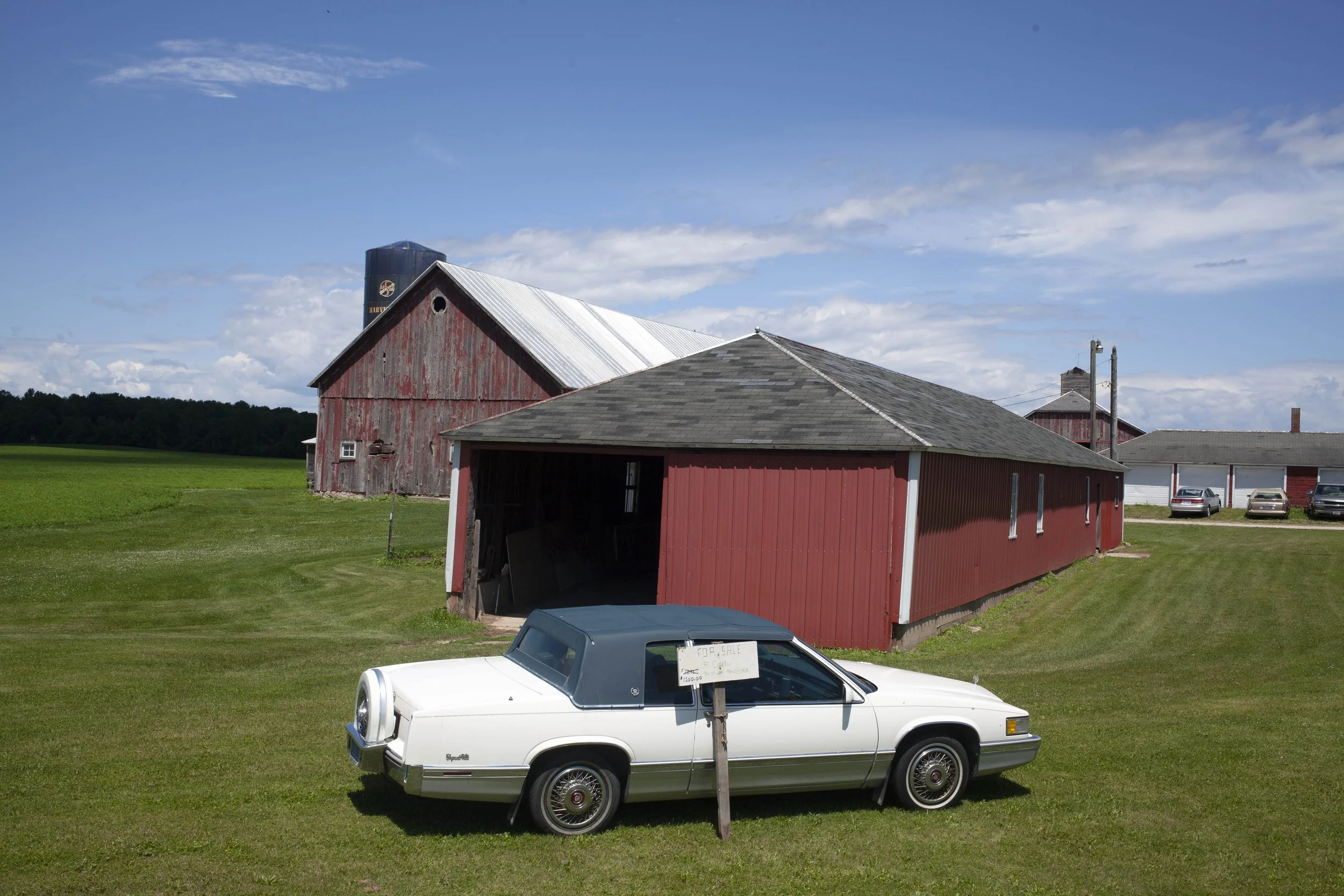
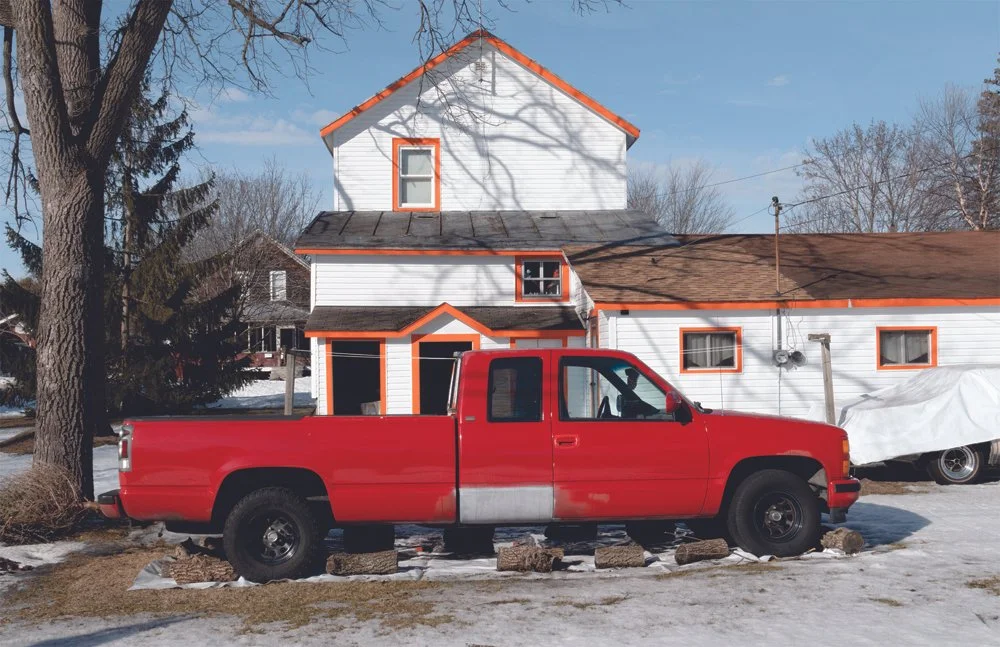
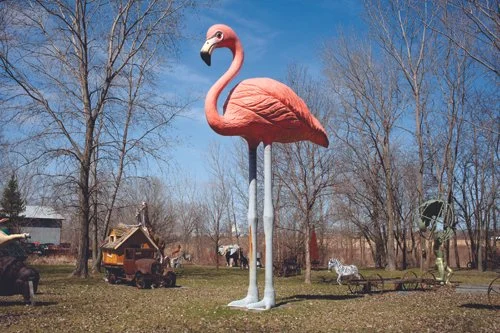
David Graham is a photographer with an interest in documentary photography; his subject is the American cultural landscape. As Robert Venturi points out in Graham’s 2001 book, Taking Liberties, his “… work is rooted in the element of juxtaposition, interpretation and the embrace of the everyday American experience”. Using large format cameras, Graham does all he can to cover as many cities and states as possible; stepping into strangers’ lives and recording their homes, families and passions.
Terri Warpinski
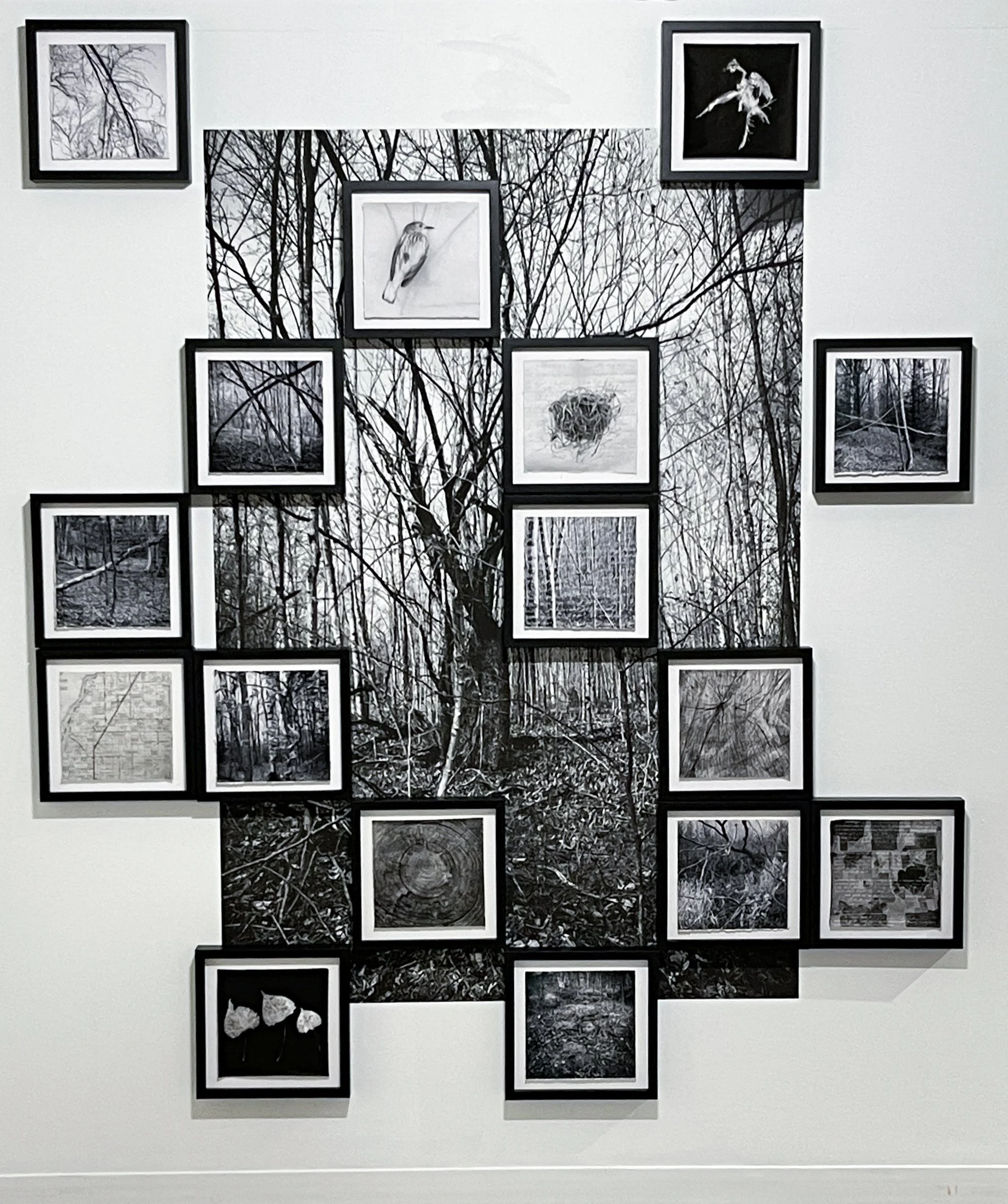
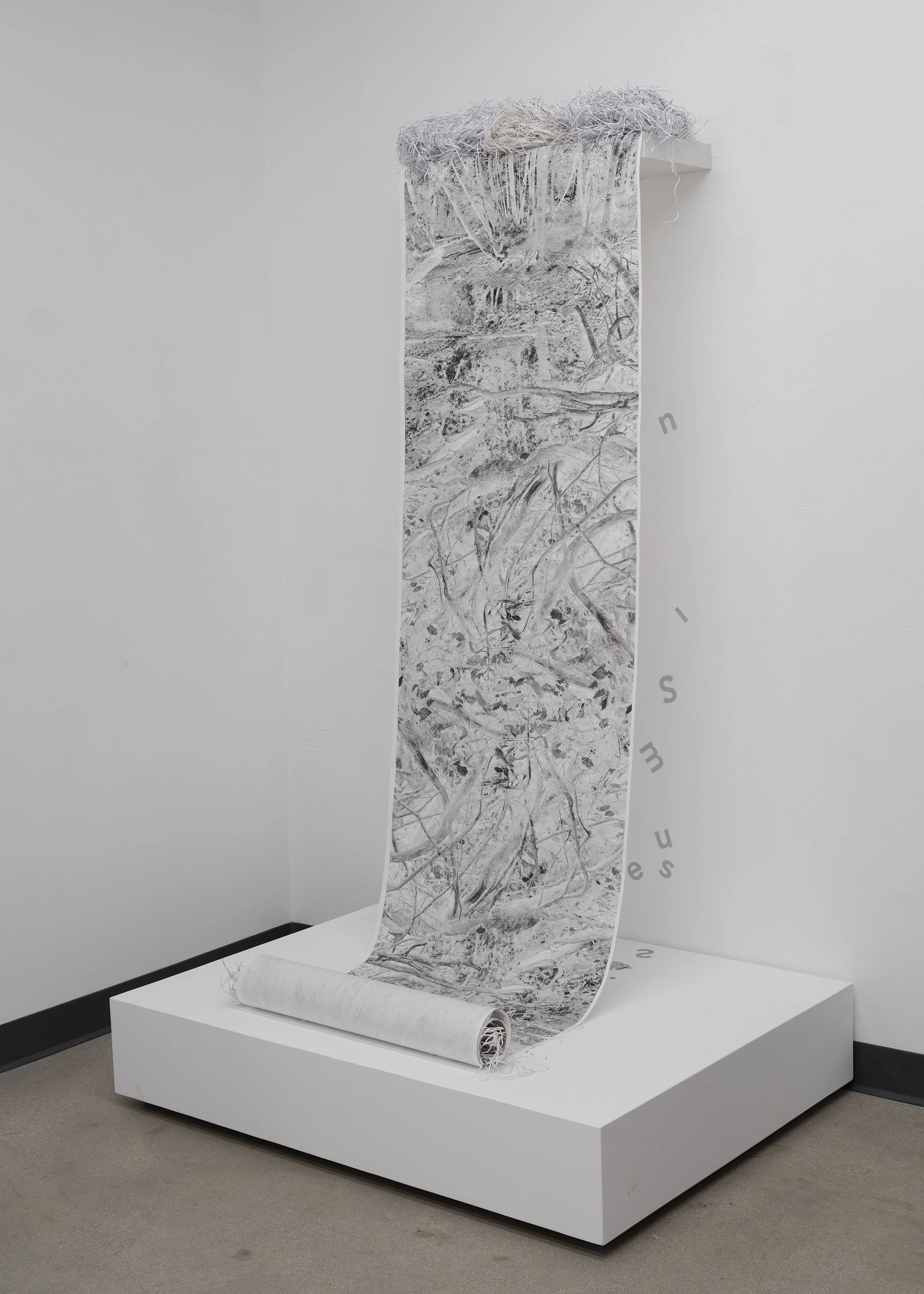
![Ephemeros[GroundWater]](https://images.squarespace-cdn.com/content/v1/67a5213e022e292748d59b19/1770919768067-ED3CAVTVJ2C6AWZ6IKQQ/3.+Warpinski_ephemerosGroundWater_.jpg)
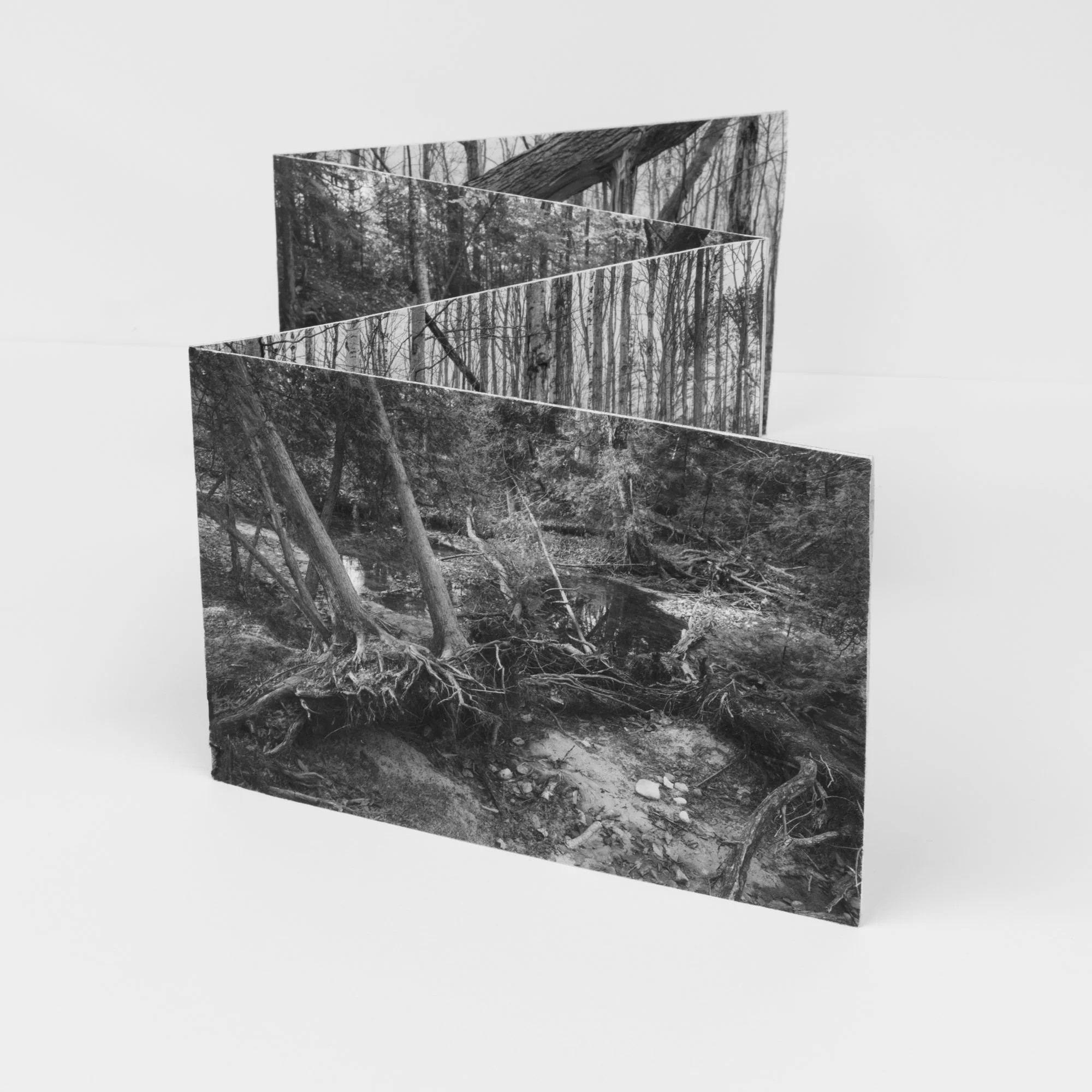
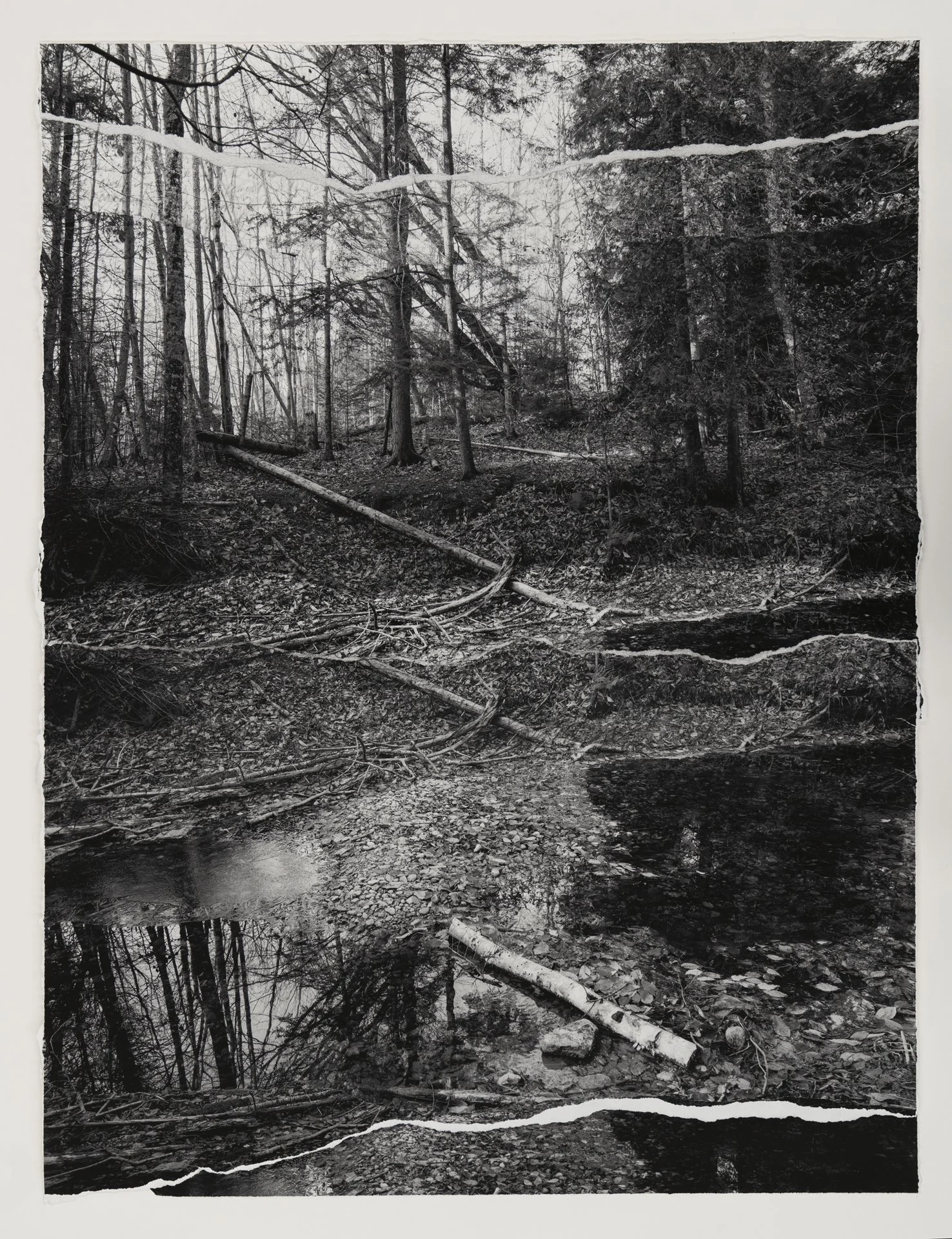
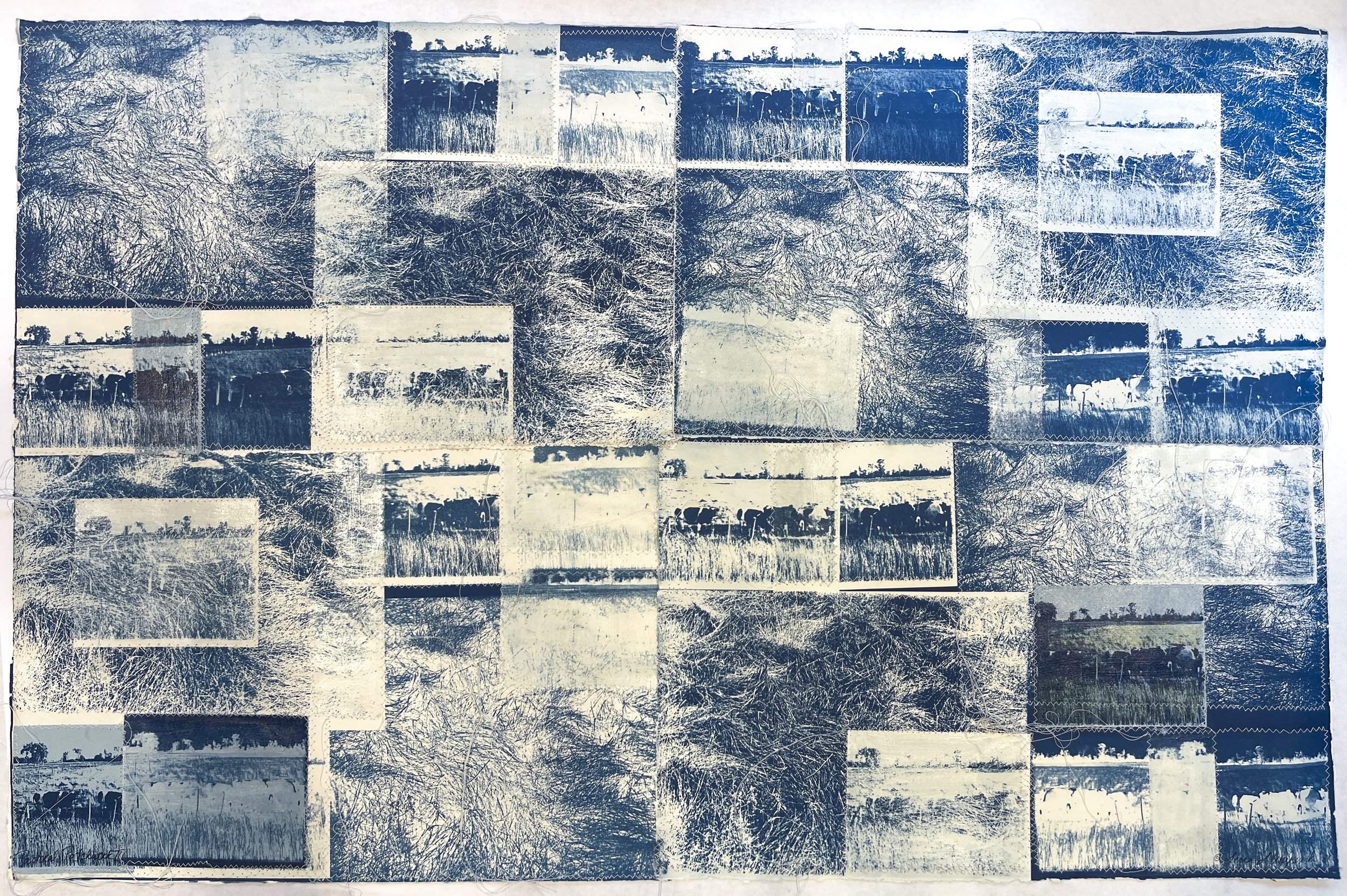
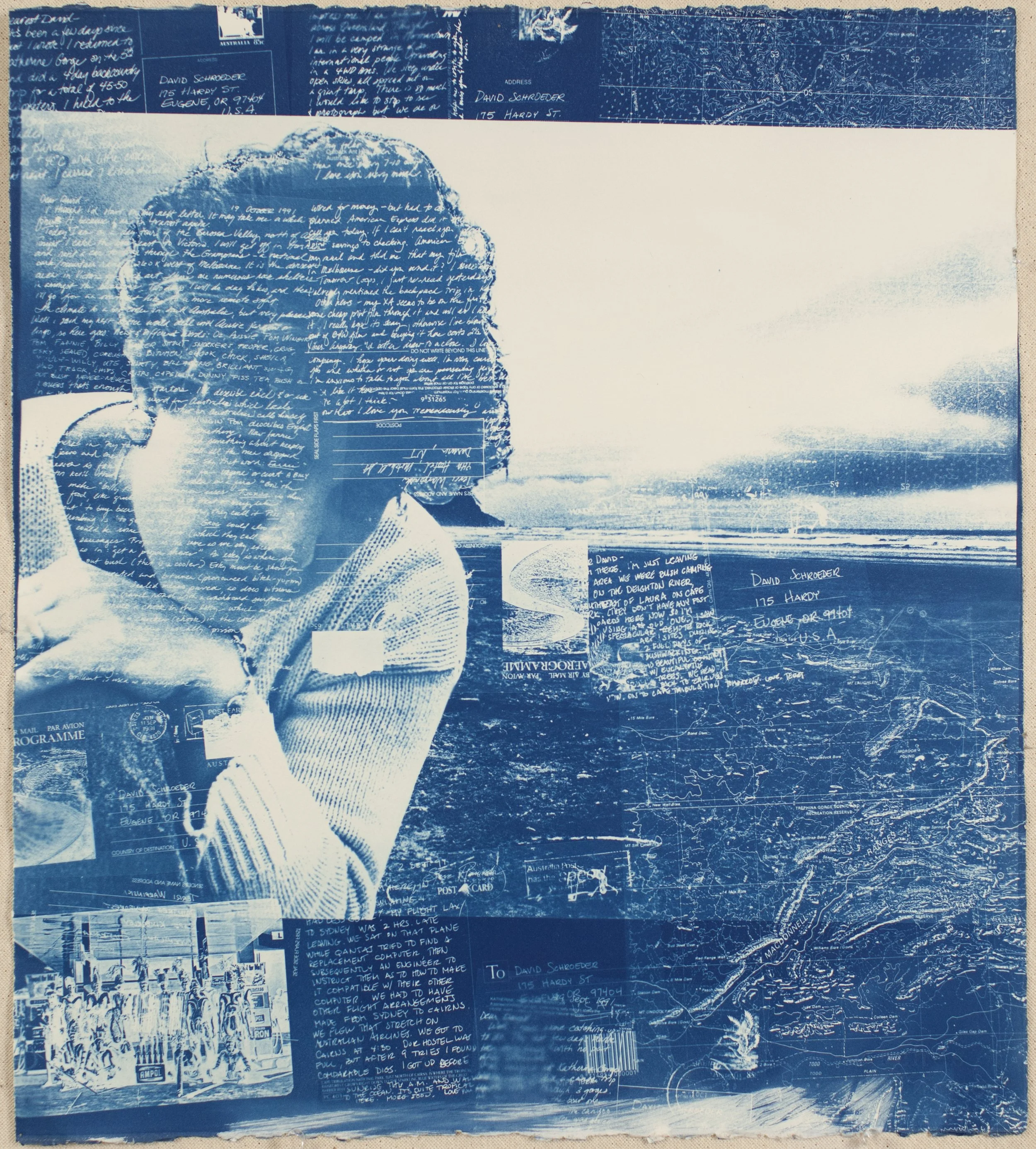
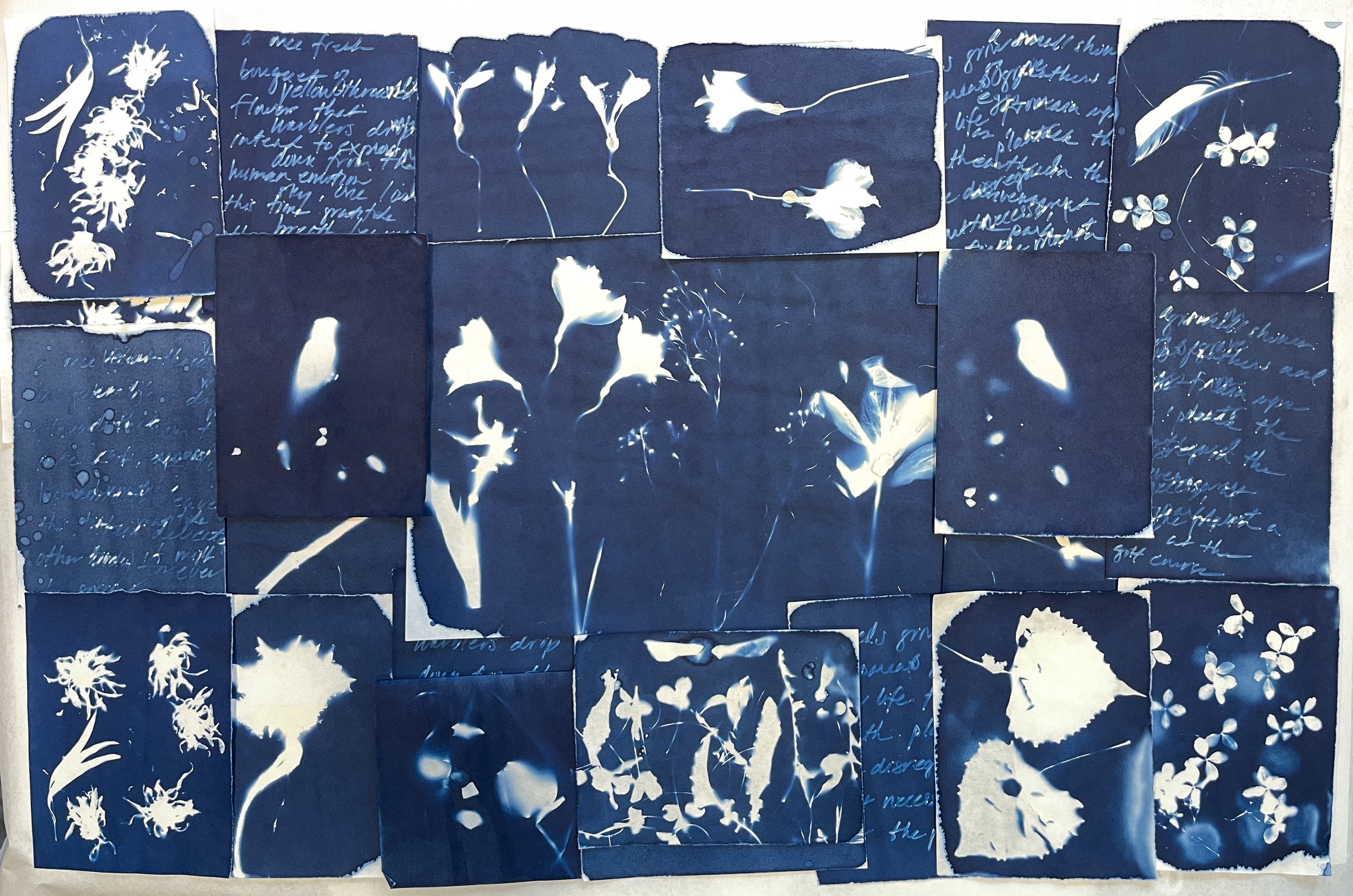
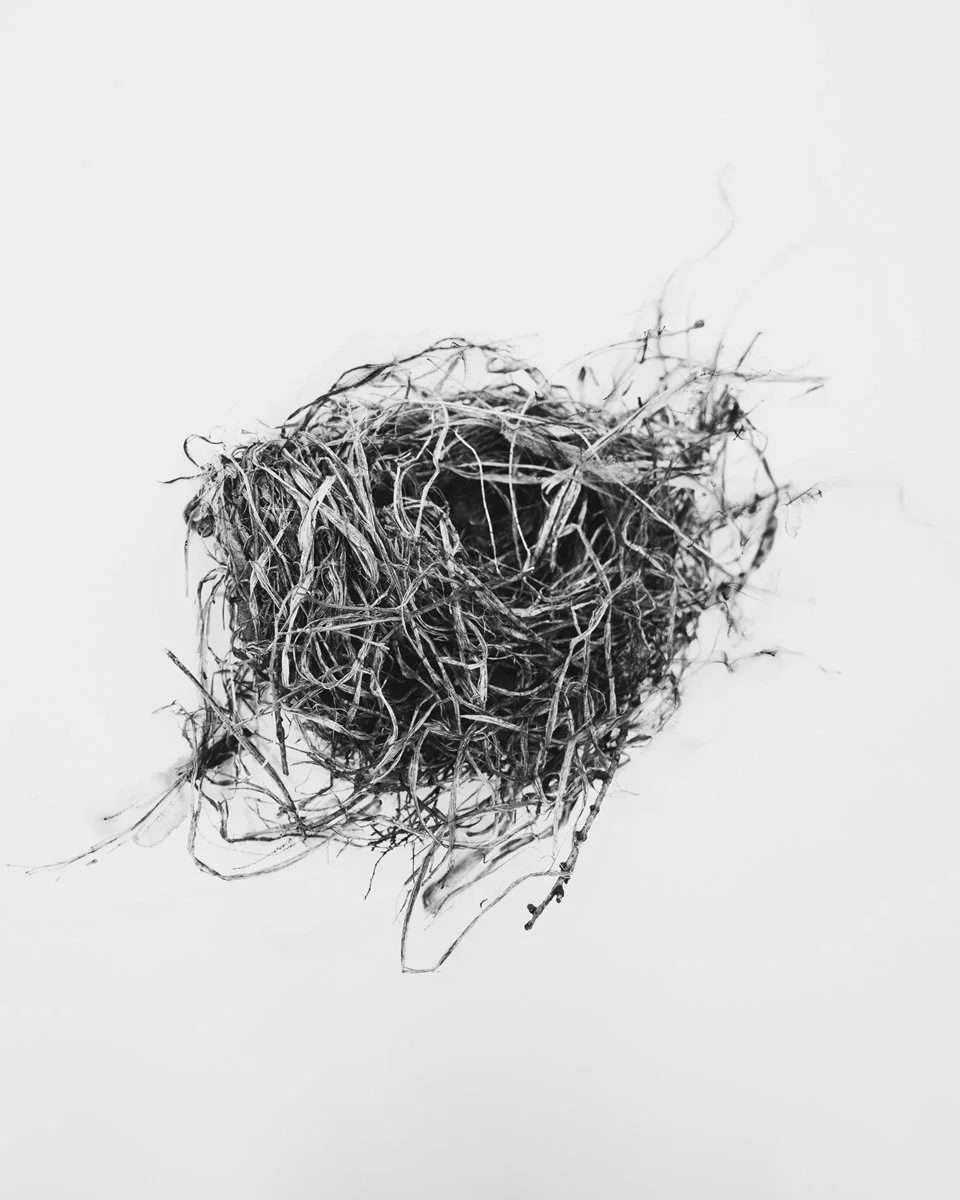
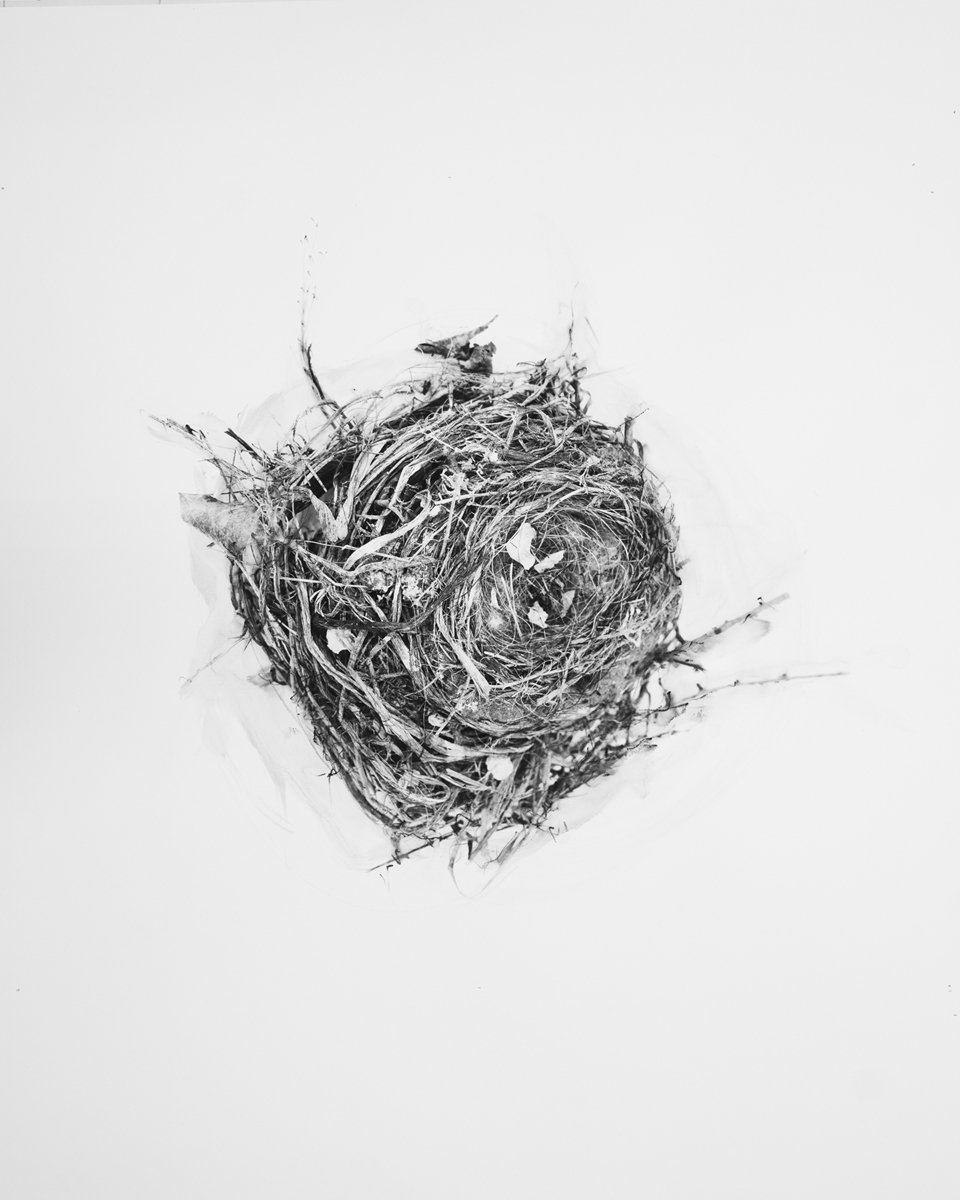
The works in this exhibition spring from artist Terri Warpinski’s love of the land, particularly that of her home ground in Northeast Wisconsin, radiating outward from her birthplace in West Jacksonport. This work is rooted in the histories and futures of our fragile planet’s ecosystem as seen through the lens of our uses and abuses of it. Some of works on view are in direct response to land preserves (such as those of the Door County and the Northeast Wisconsin Land Trust), sanctuaries, conservation zones and other locales that are undergoing a process of re-wilding and ecological recovery. Other works reveal a persistence in the artist’s work and sensibilities dating back to her first forays into photography as a college student at UWGB. Working in a wide range of mixed media, all incorporating photography in some form, along with a variety of materials and presentation methods from singular framed prints to installation works, the artist asks the viewer to actively engage with the work – to take time and expend effort to discover, explore, and question.
