
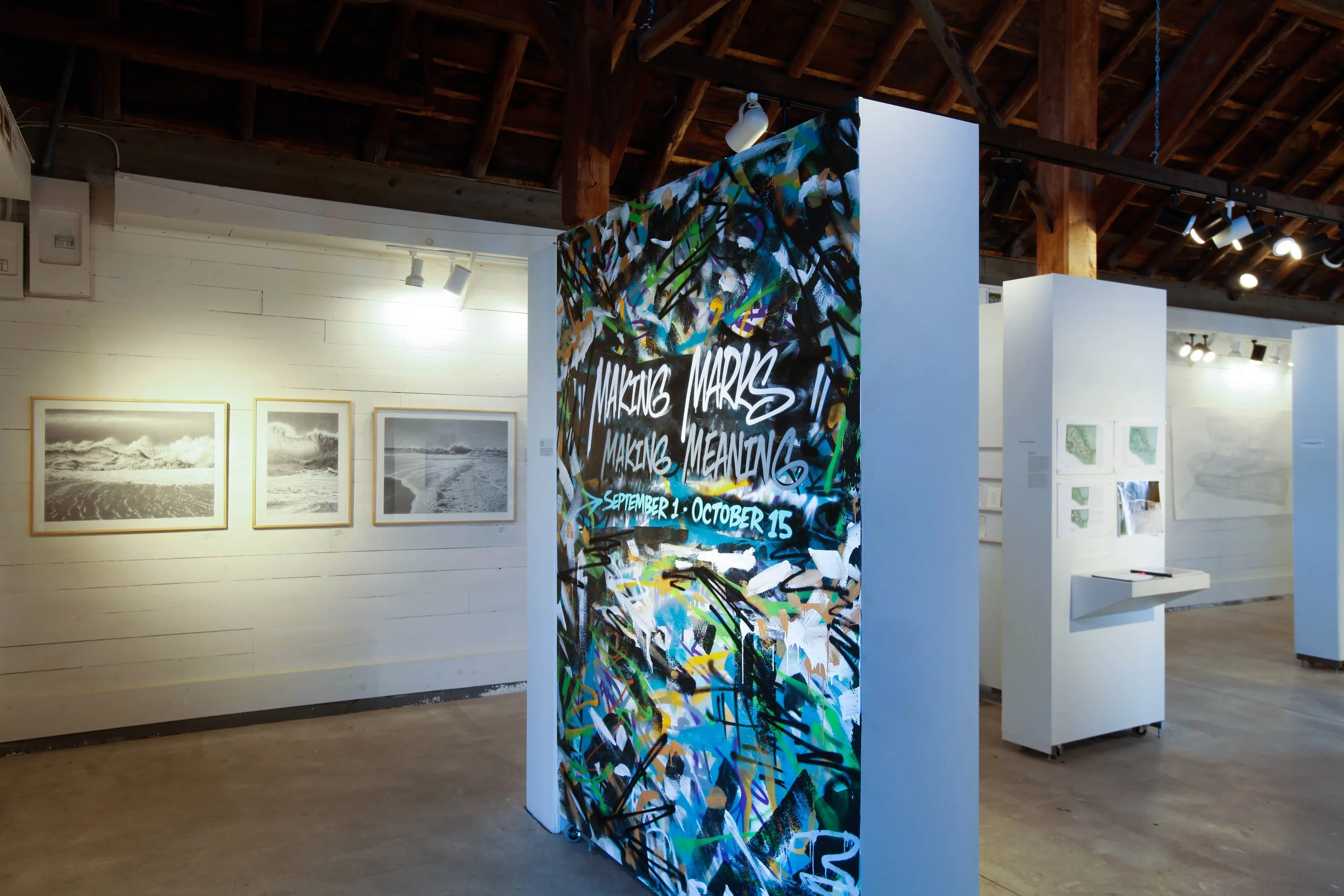
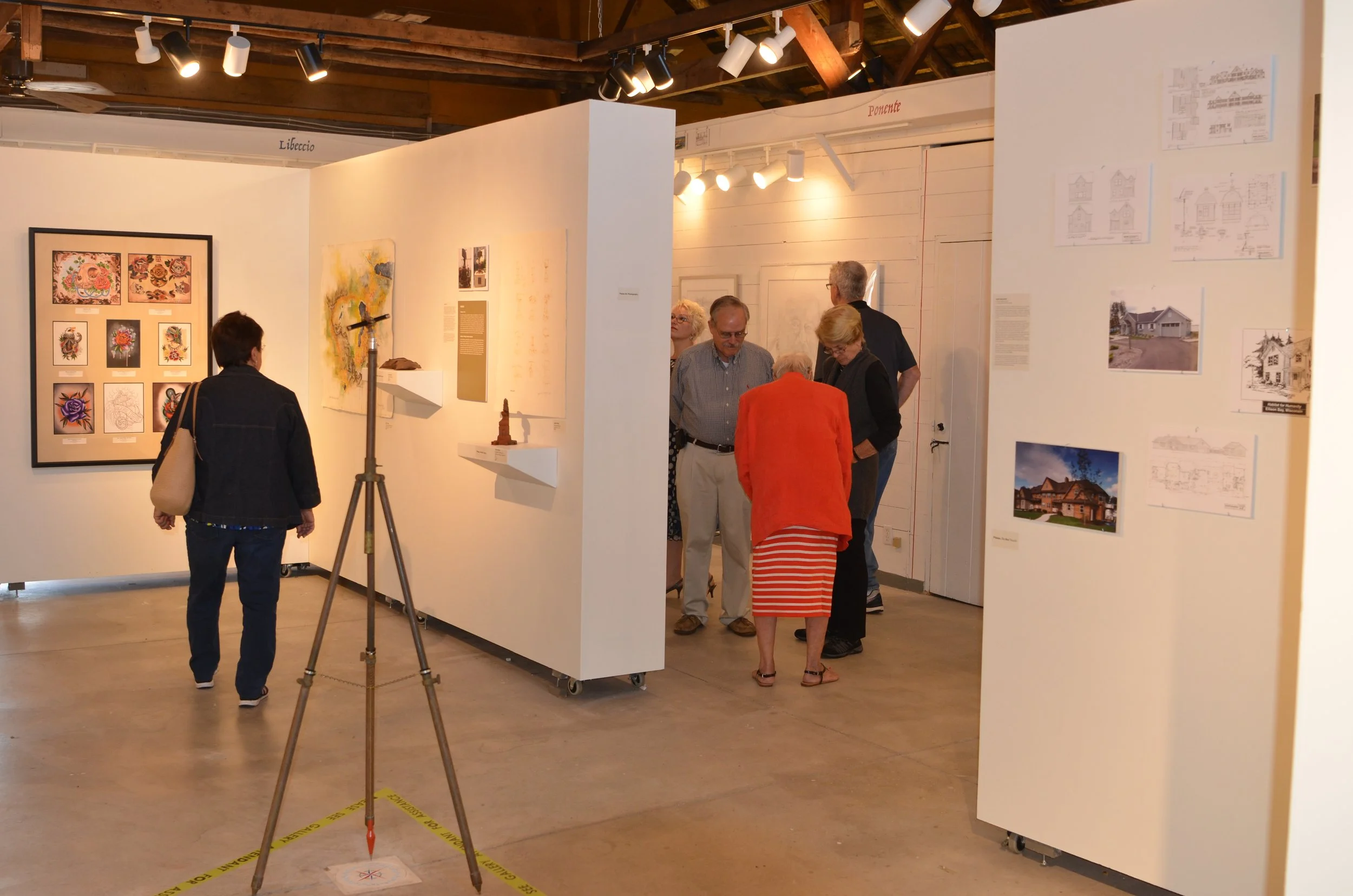
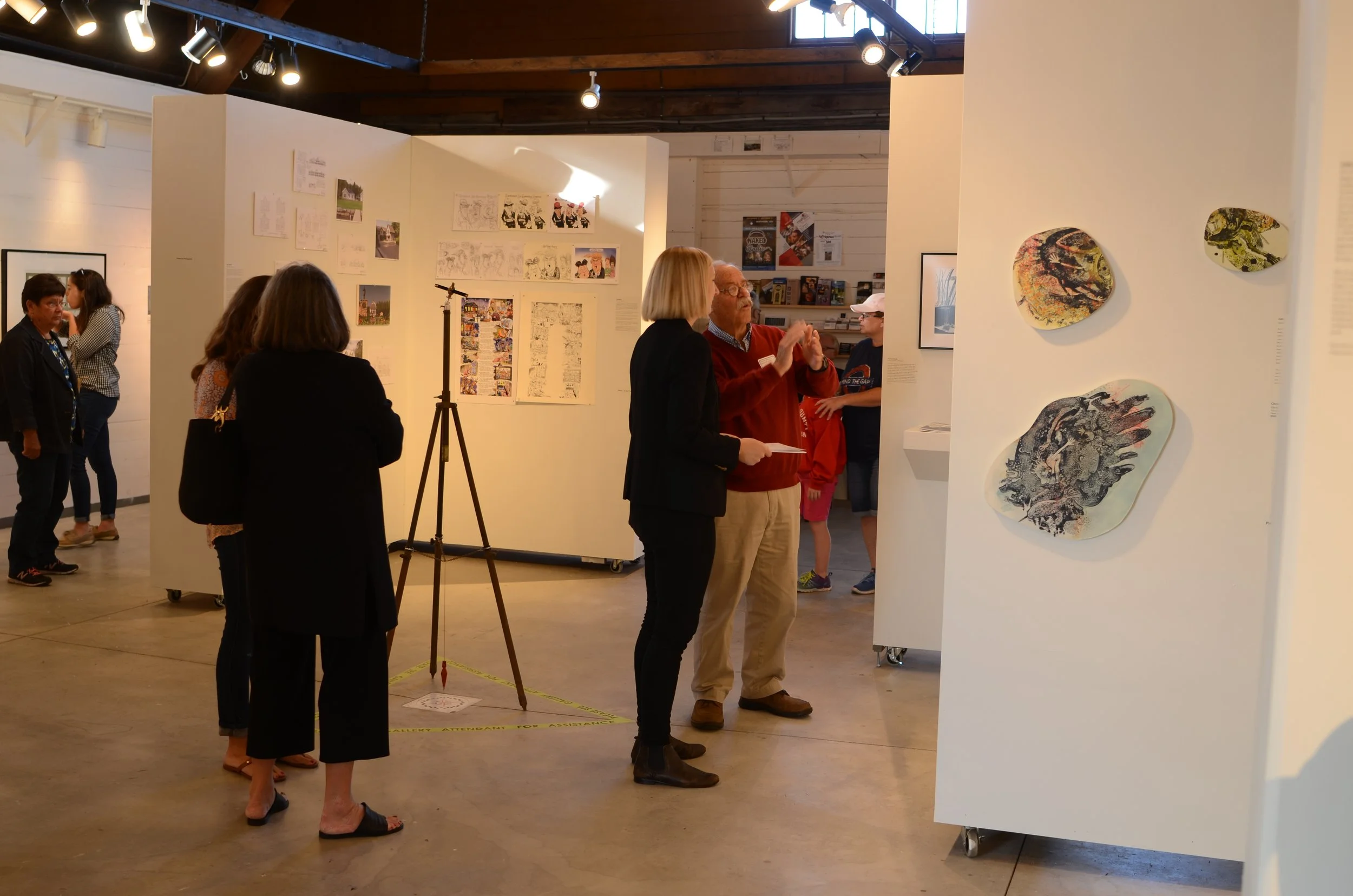
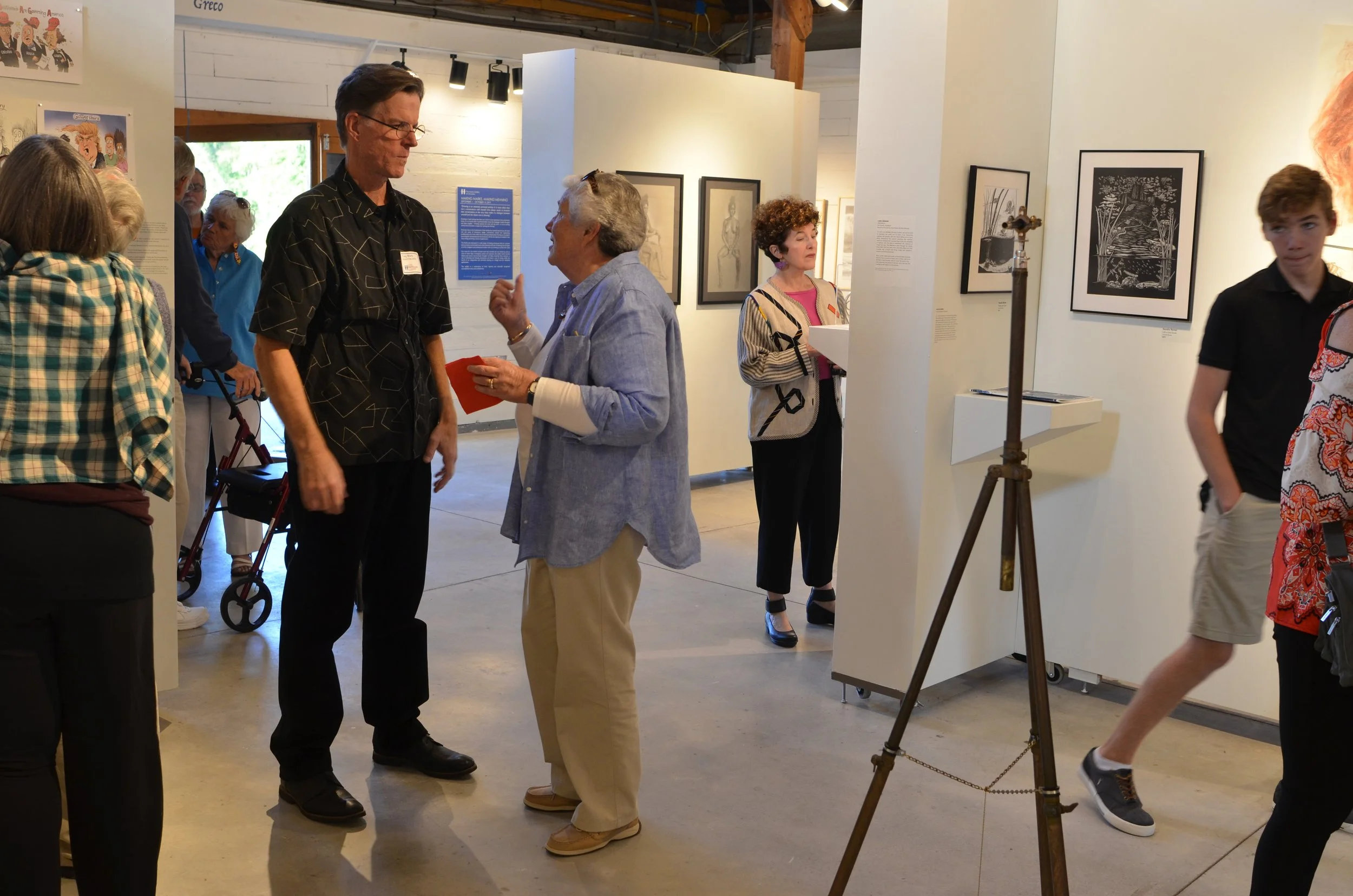
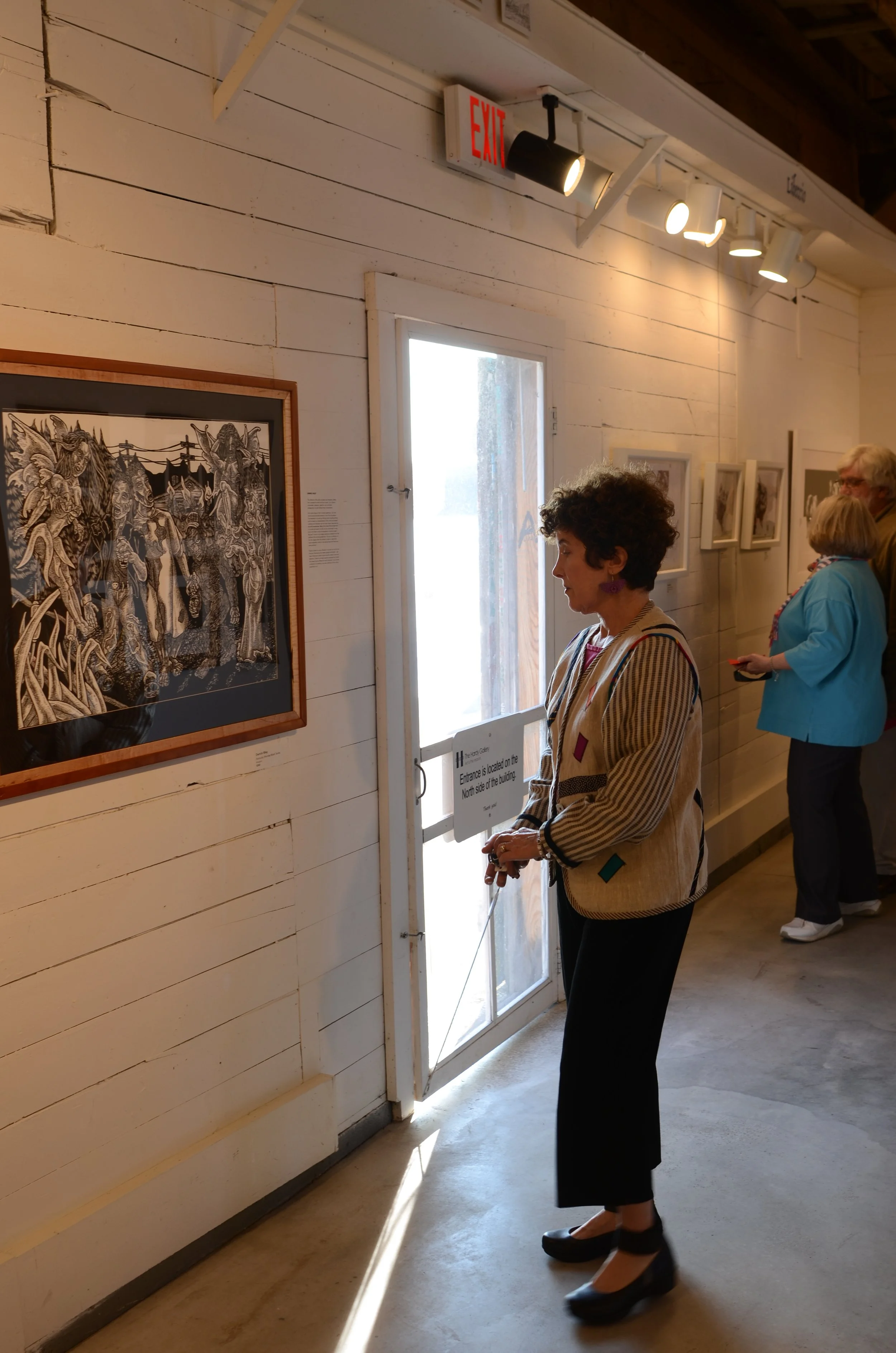
Making Marks / Making Meaning - 2017
“Drawing is an intensely personal activity. It is more often than not a conversation with oneself. One always wants to broaden that conversation, at the very least, make it a dialogue between oneself and the object one is drawing.”
Drawing or mark making have been part of the human experience since prehistoric times. It is an activity that is quintessentially human; like language, it makes thoughts and ideas tangible - “drawing extends the mind and the spirit… it is an exciting activity that promotes a respect for looking and thinking.”
Drawing is key to the fundamental of the medium but extends beyond just the artist and into areas of illustration, design, architecture, science and engineering professionals, all of who make use of drawing professionally. Drawing can be playful, psychological, representational and innovative, and has the capacity to transform into many things, providing a series of applications.
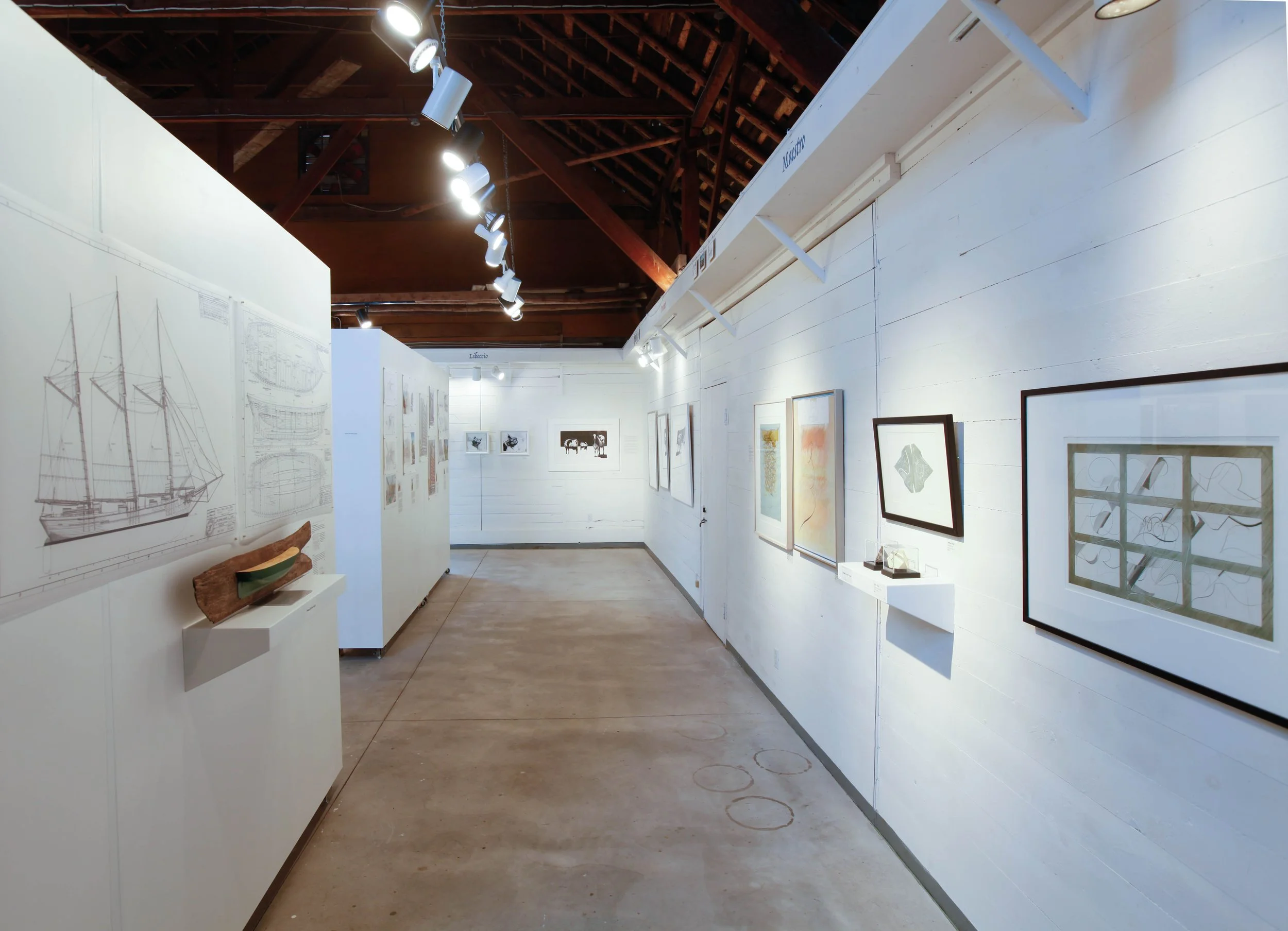
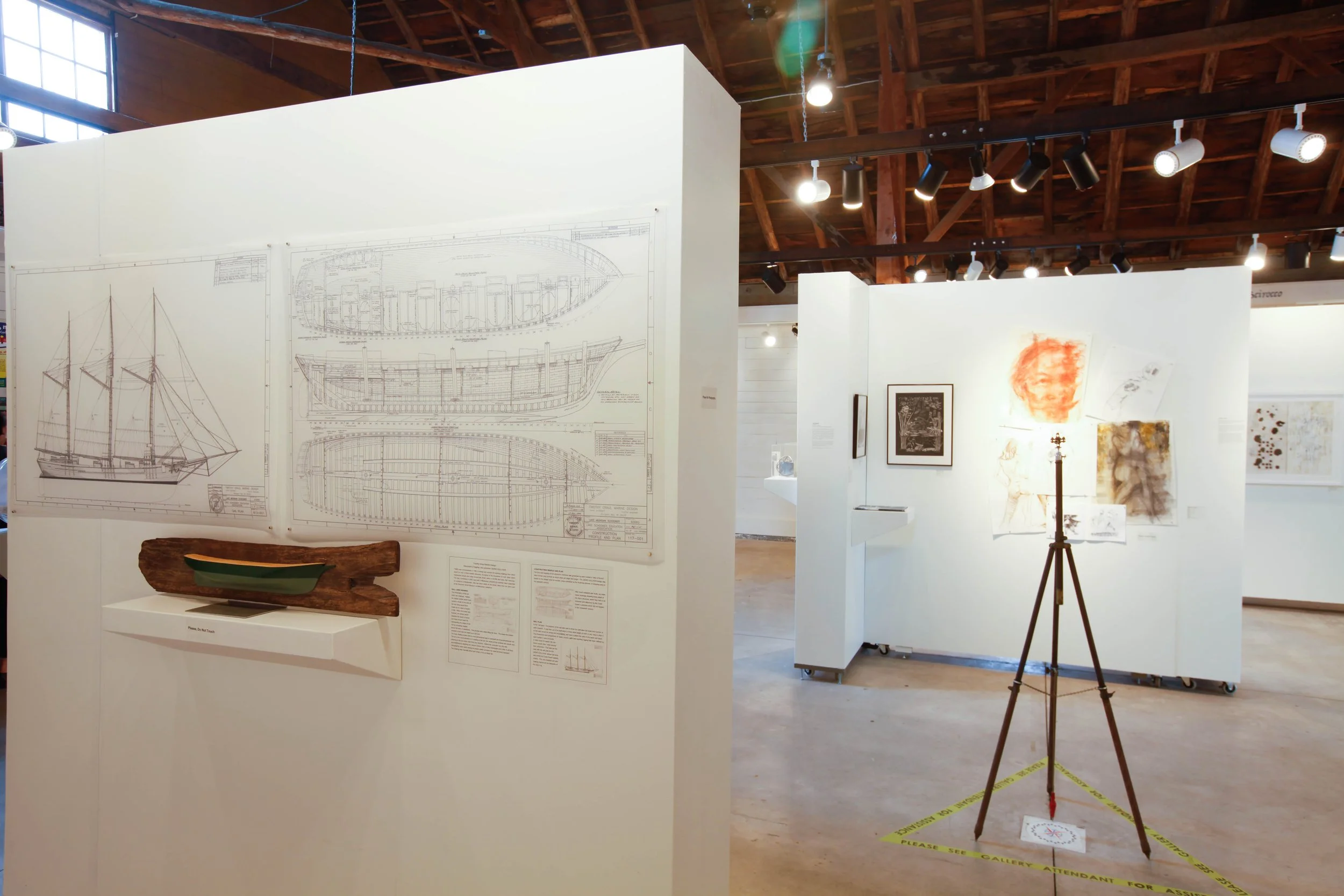
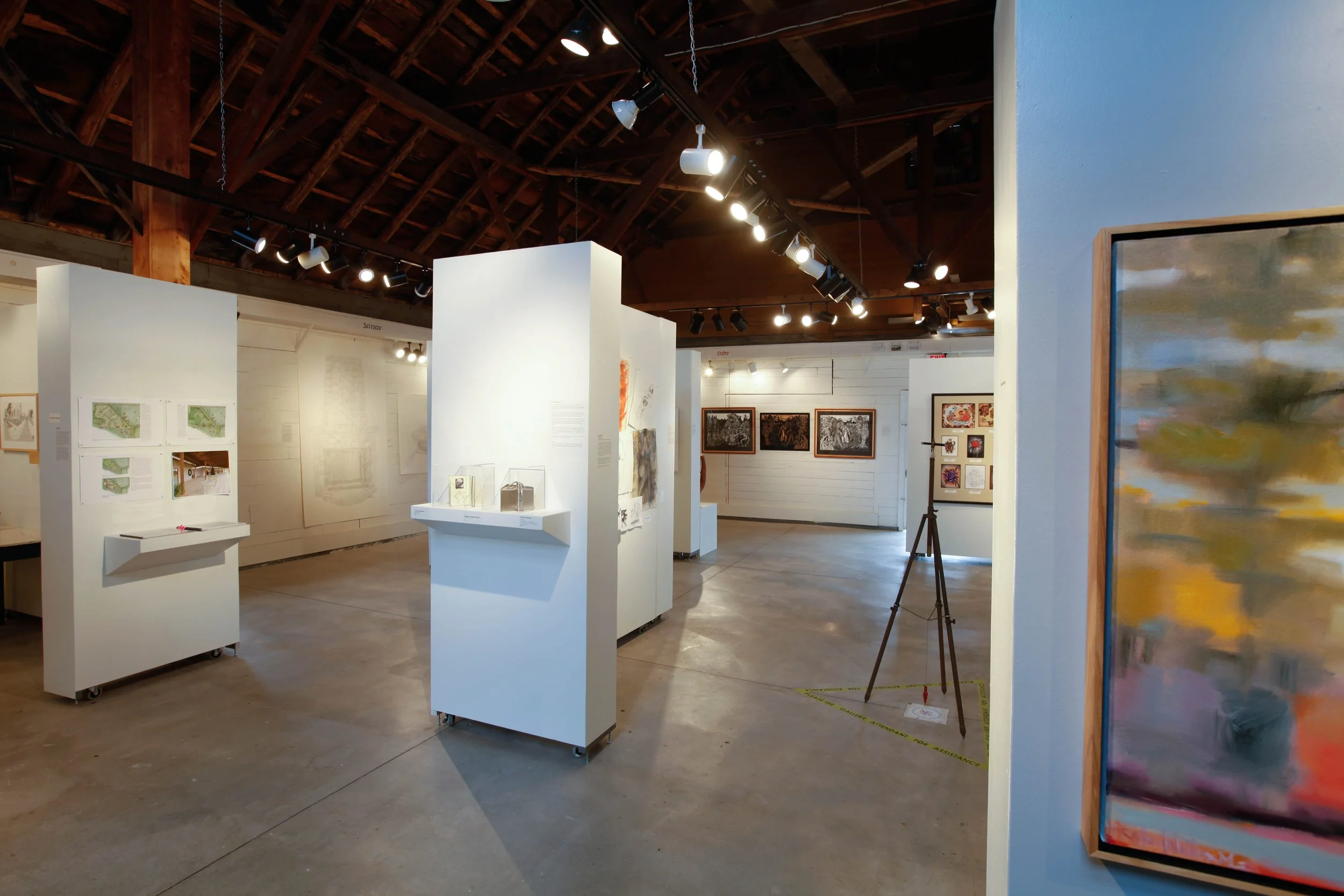
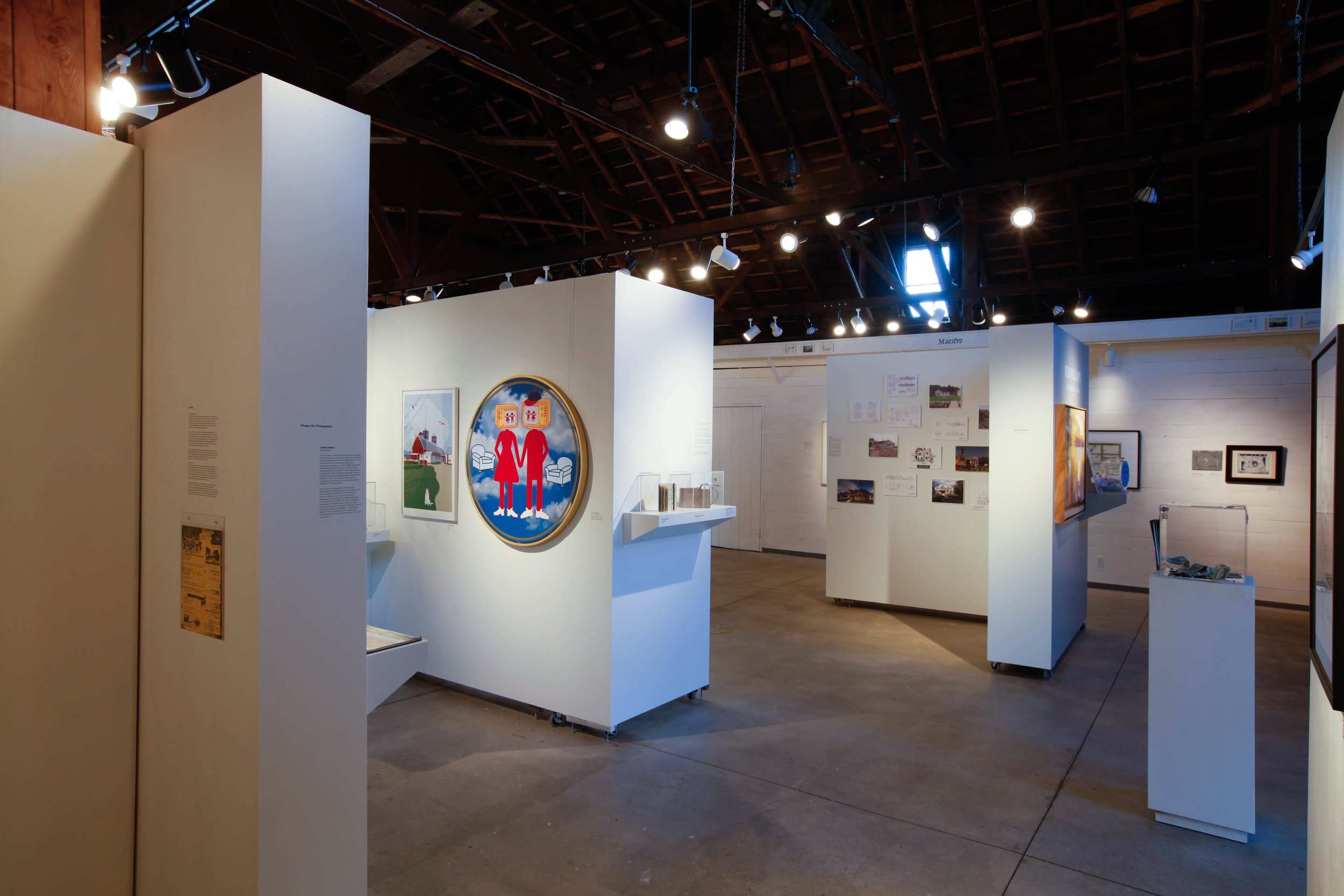
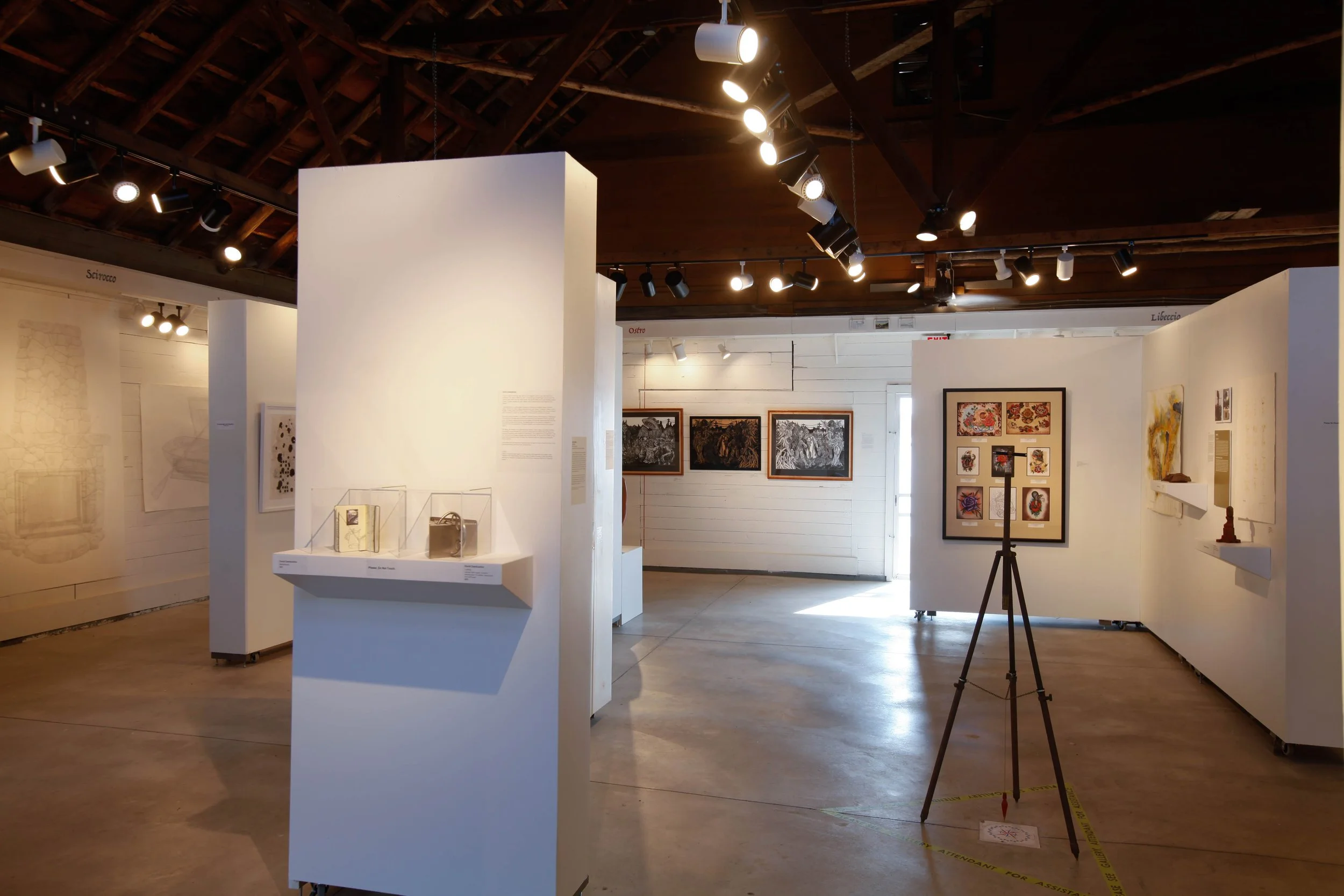
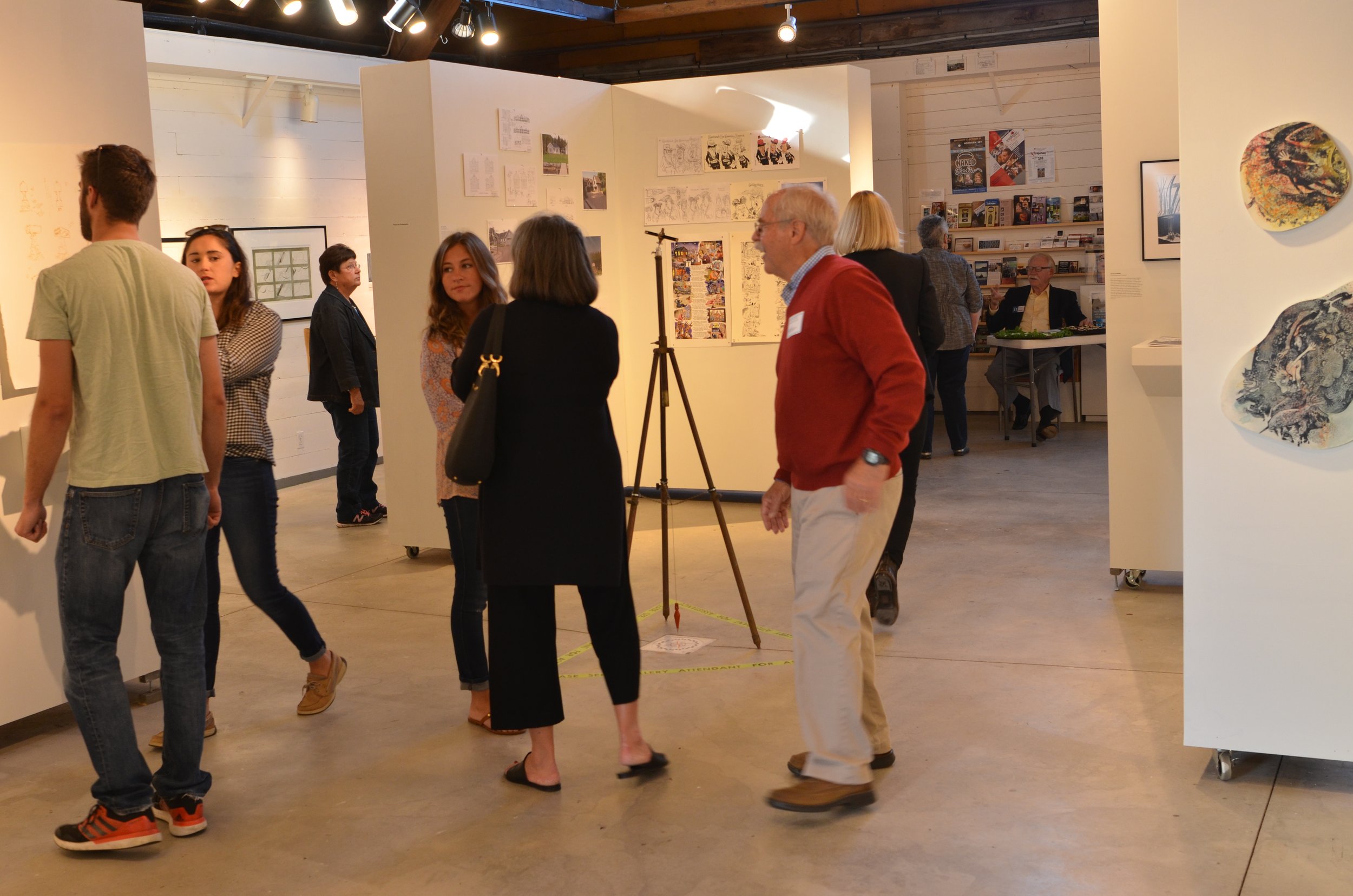
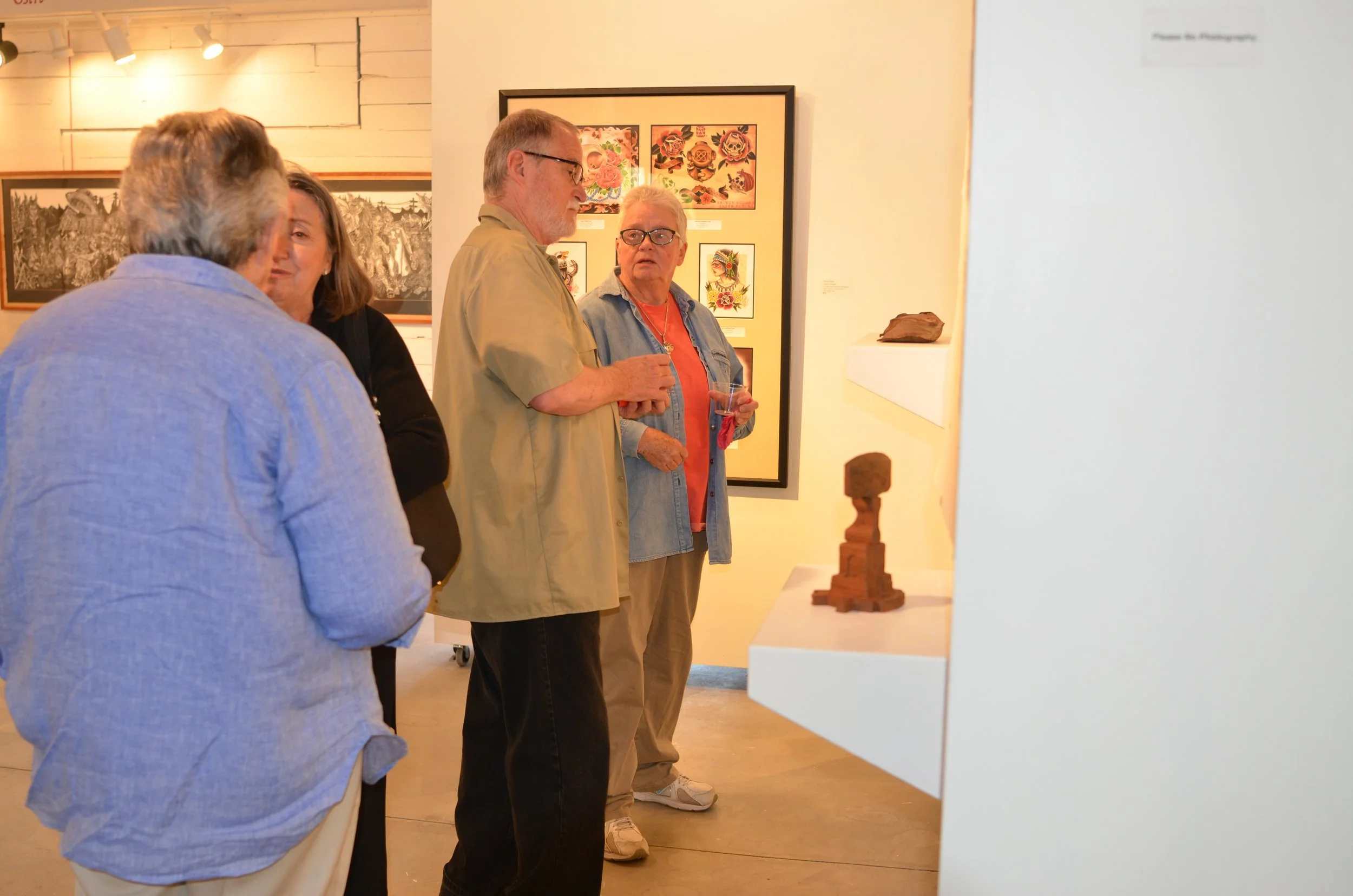
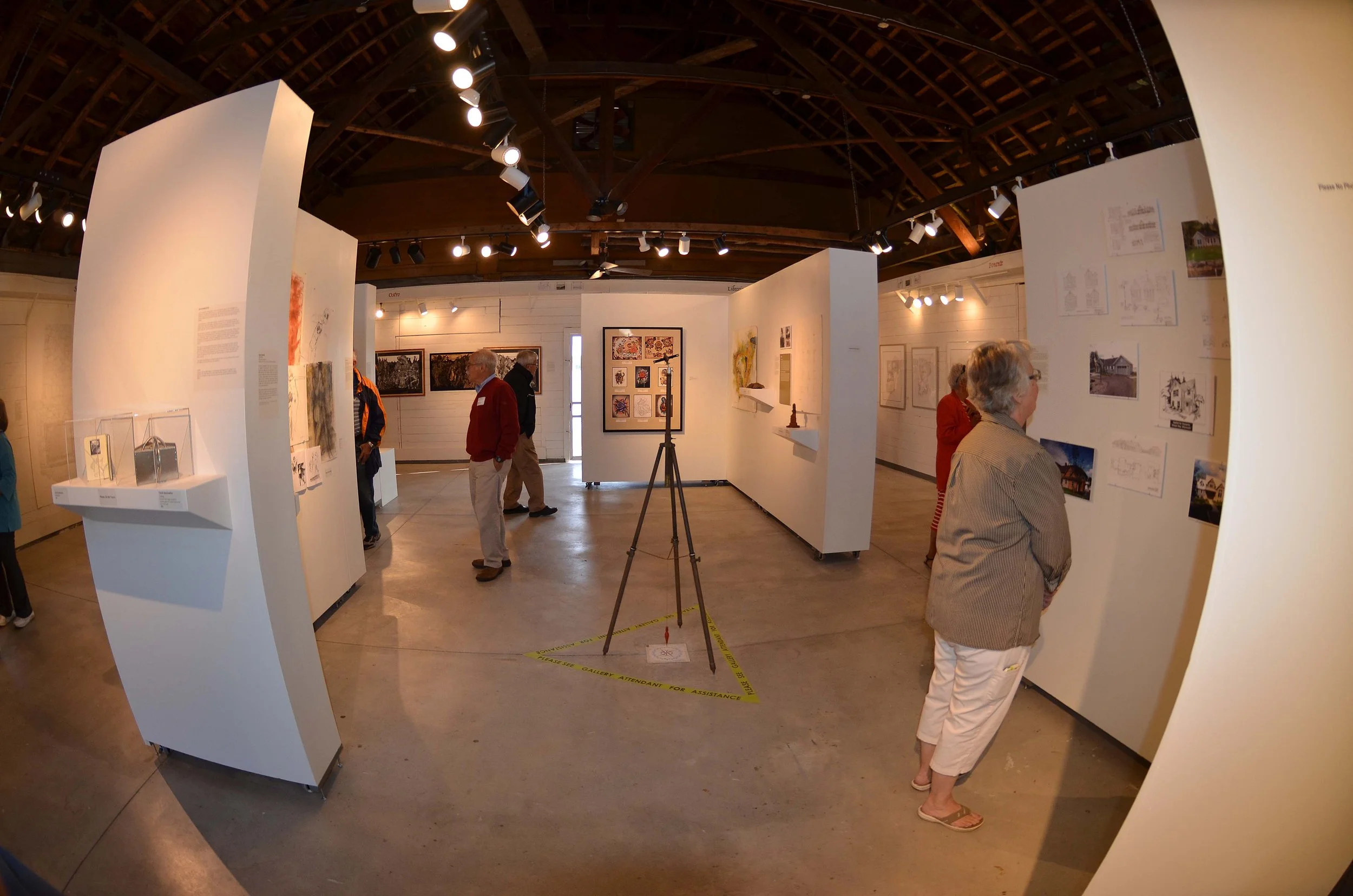
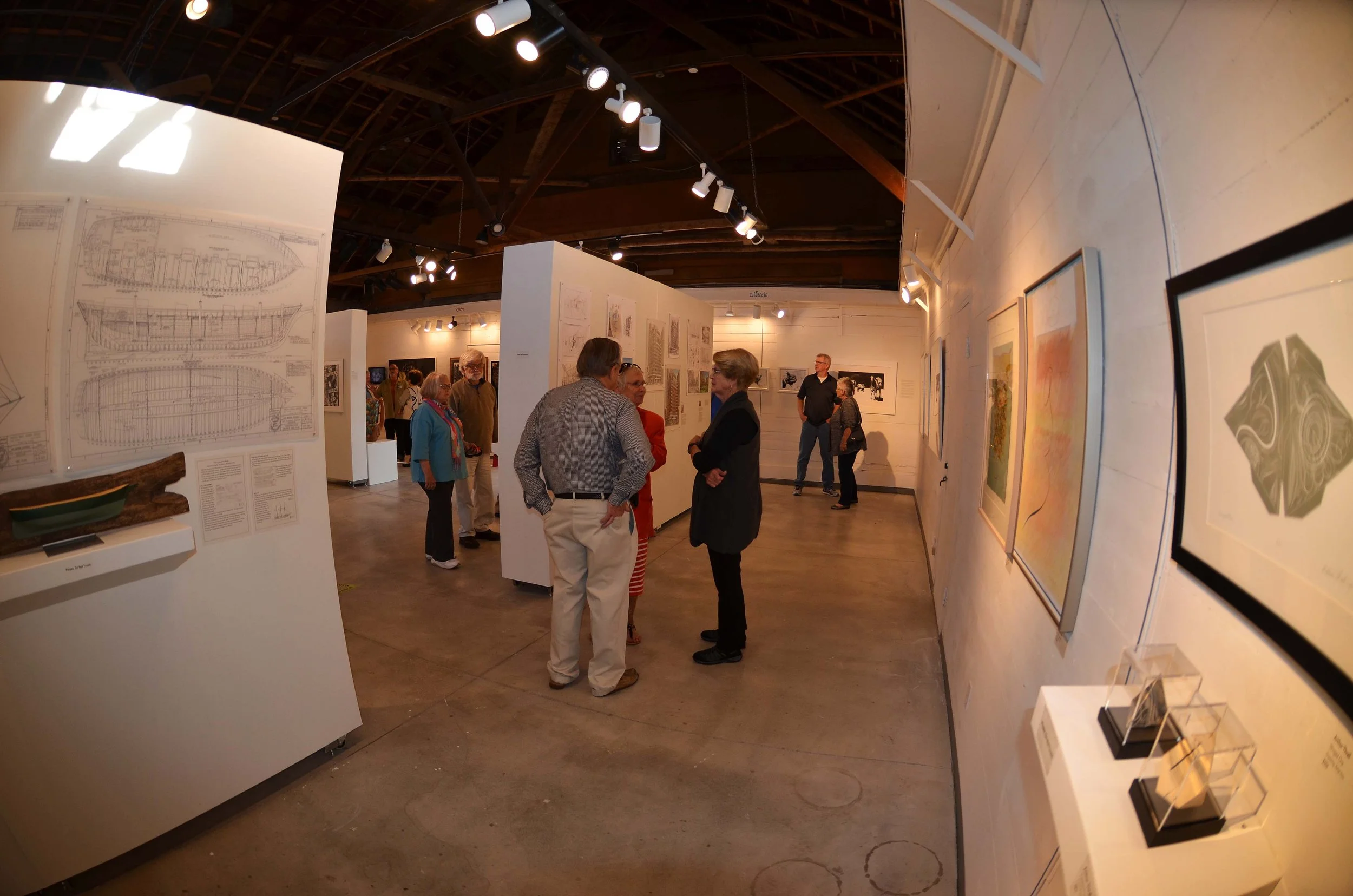
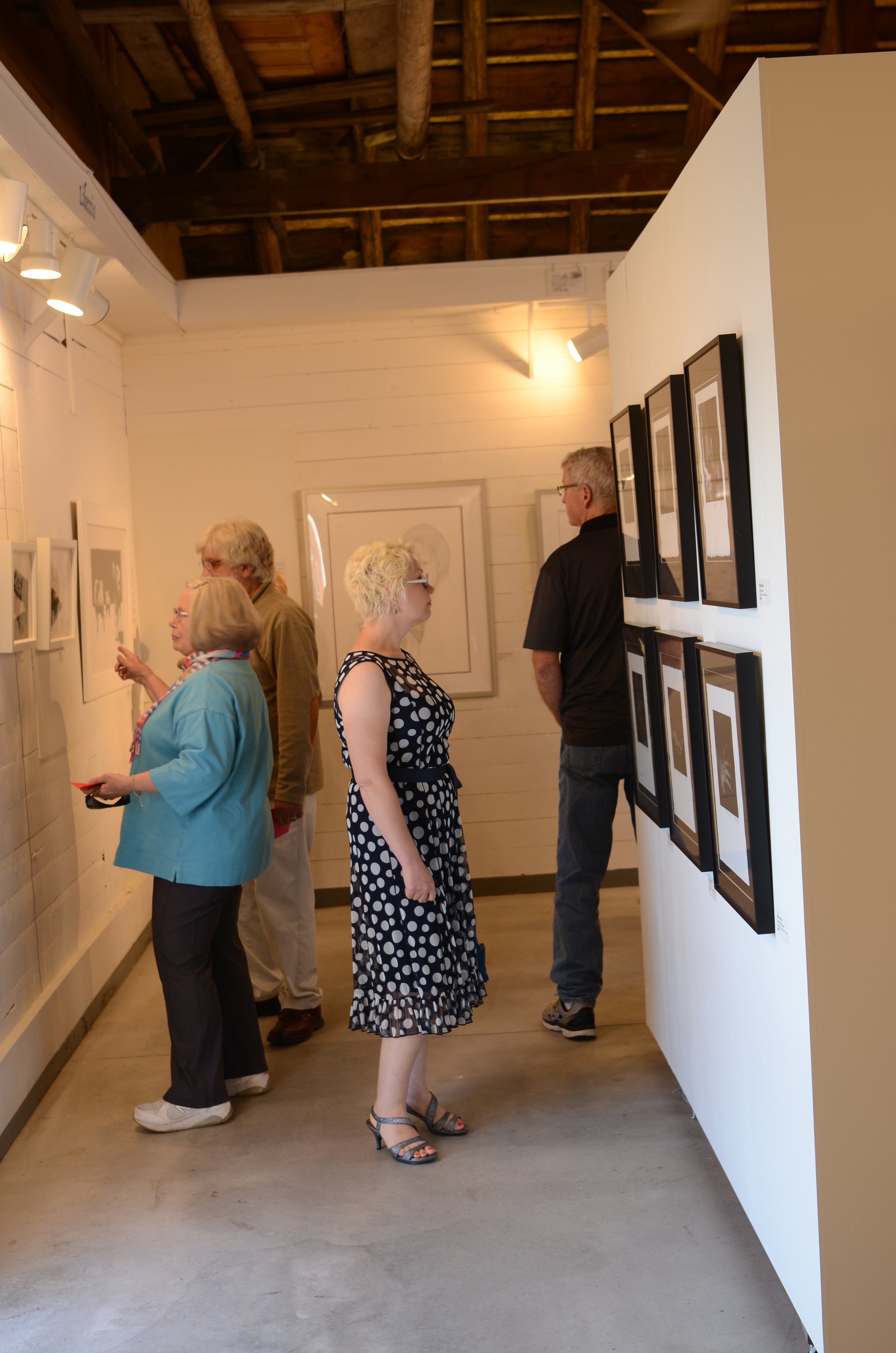
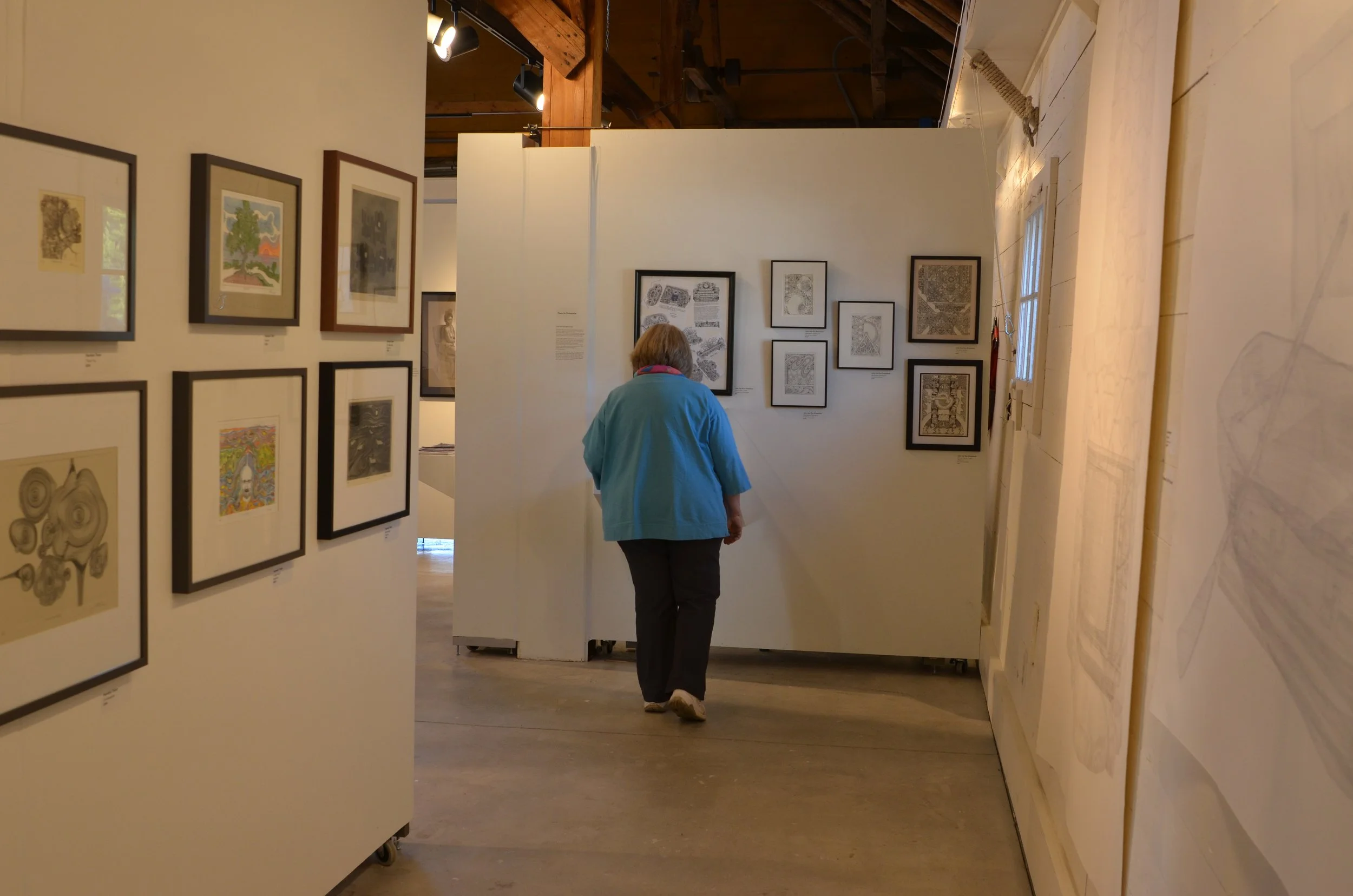
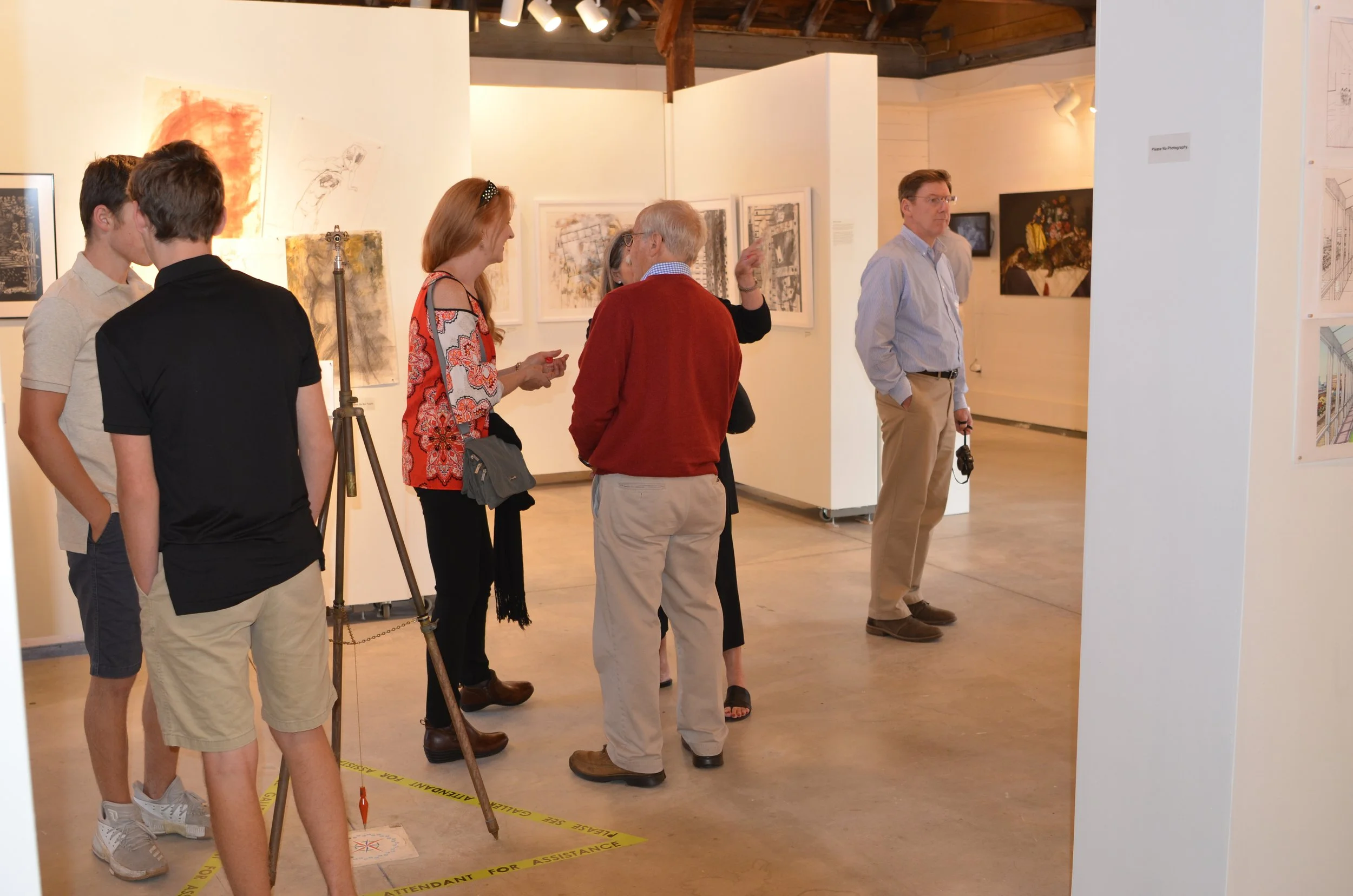
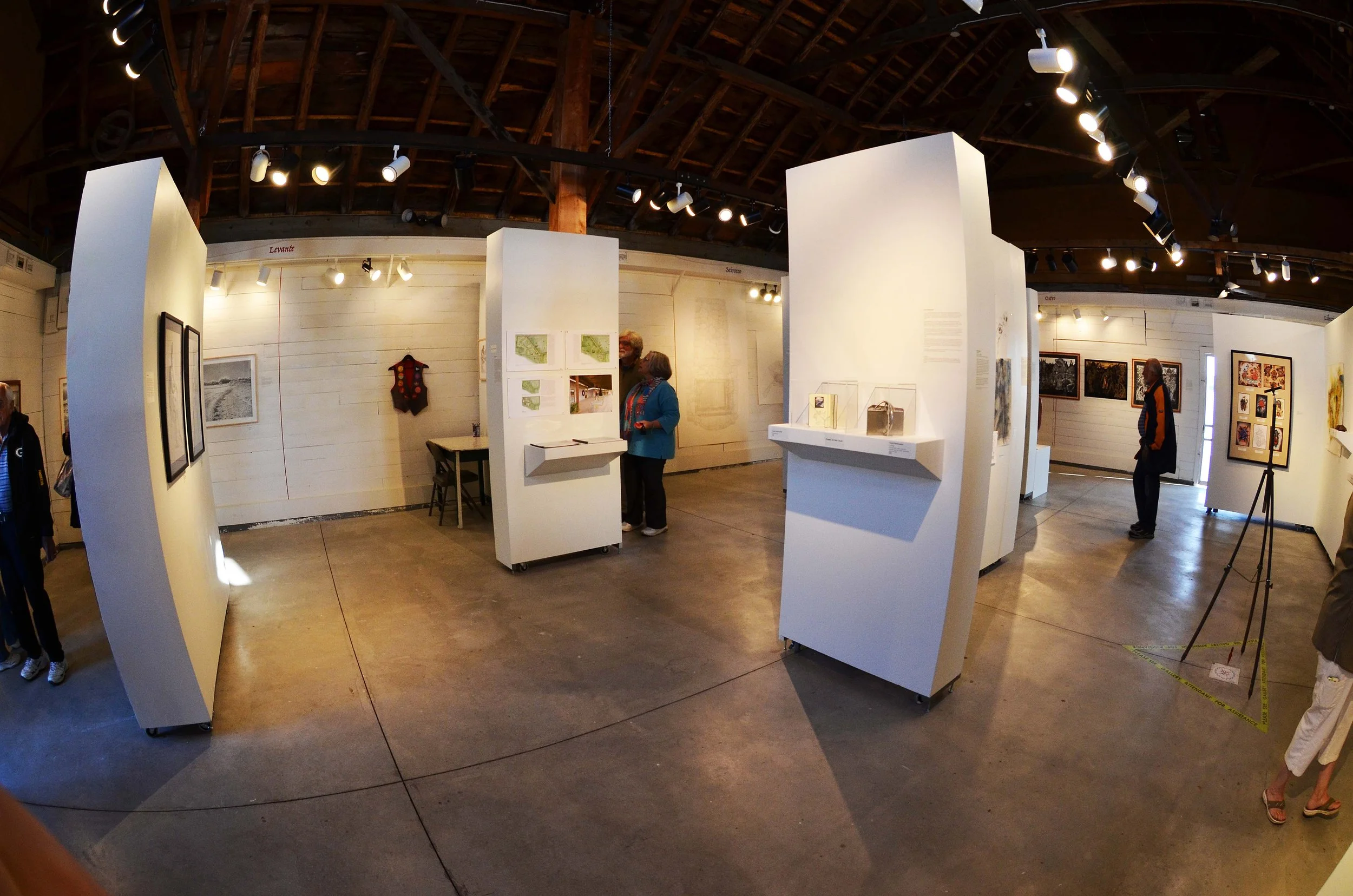
The Hardy was interested in a wide range of drawing techniques, both as a process and as a product, and included works that examined all forms of drawing, from all types of artists, designers and professional drafters who use drawing to convey their ideas.
Our vision for this exhibit included work that involved, but not limited to, one or more of these ideas: investigates, studies and questions the visible world, records objects and events, communicates thoughts and ideas, transcript from memory–a way of collecting and keeping impressions and ideas; a way of making visible the world of our imagination, and technical drawing as a design tool for industrial applications.
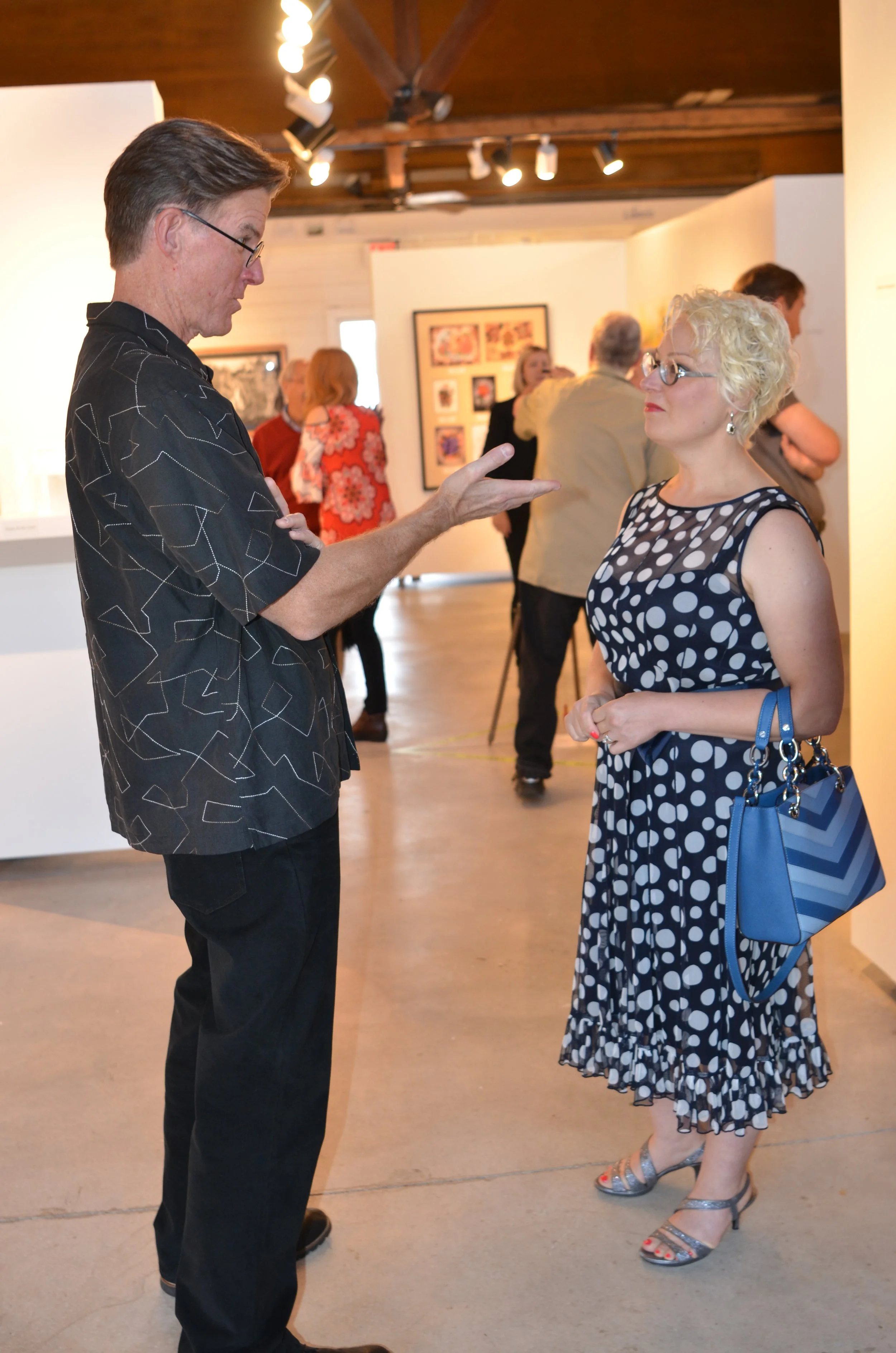
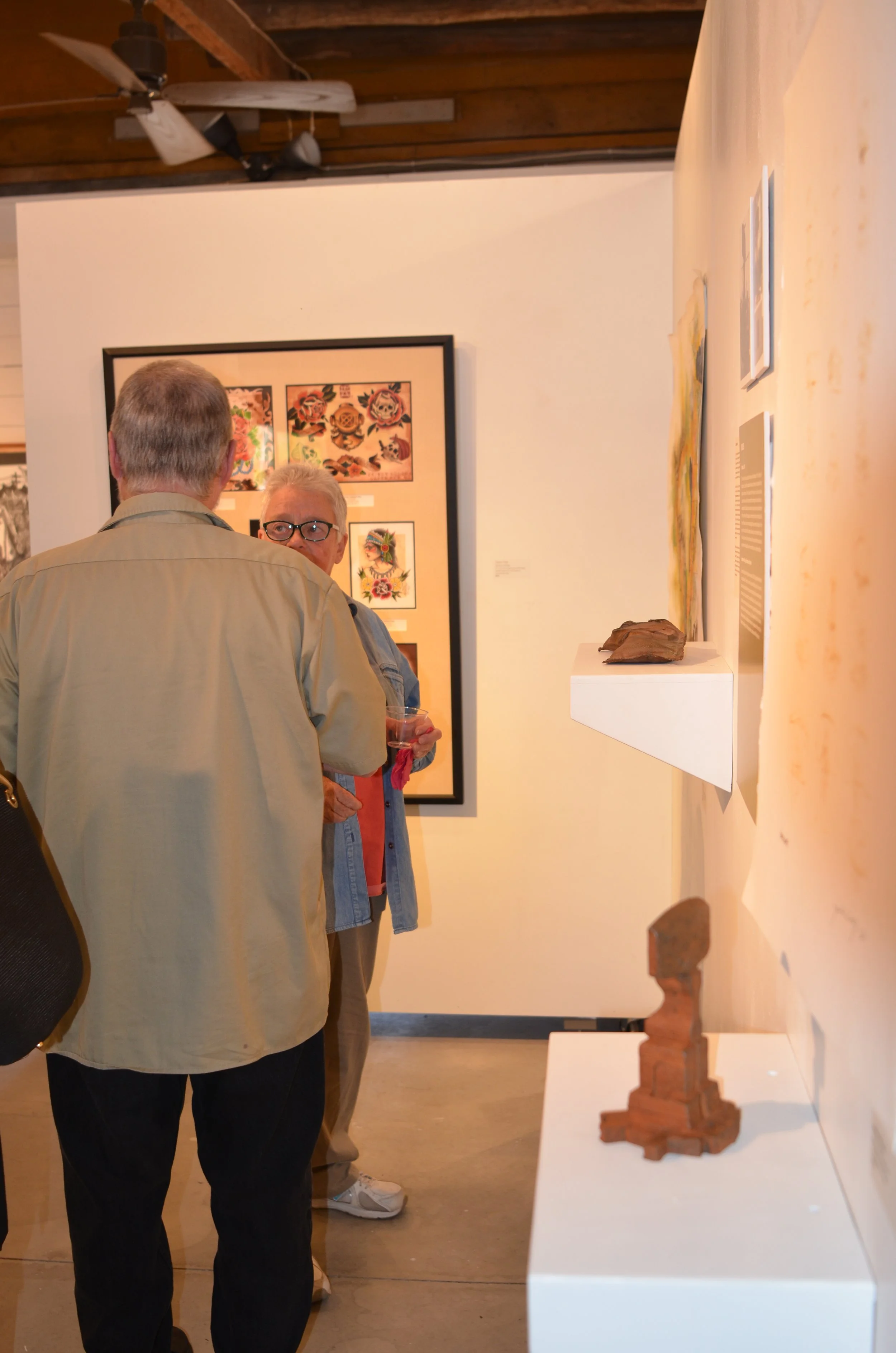
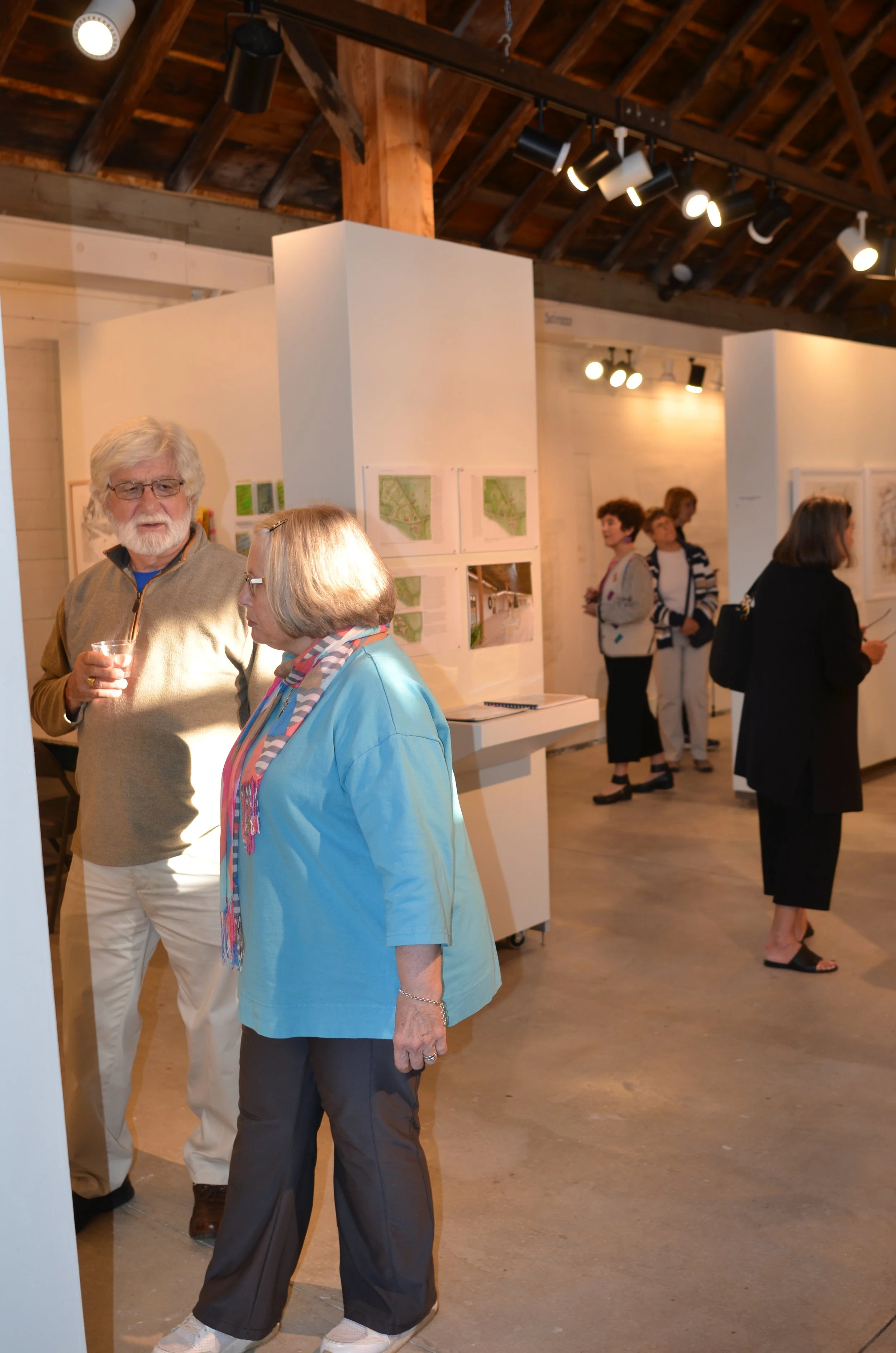
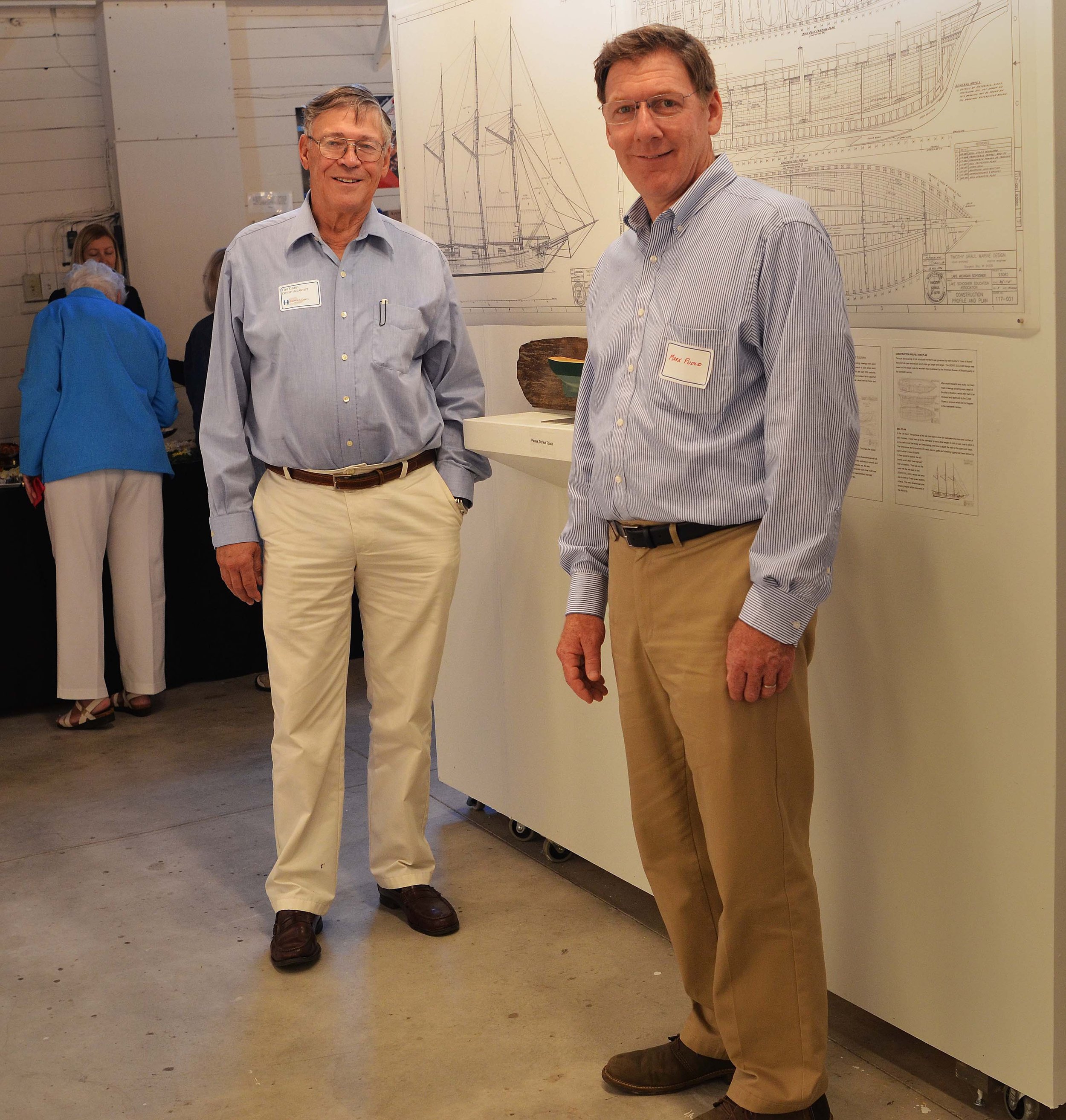
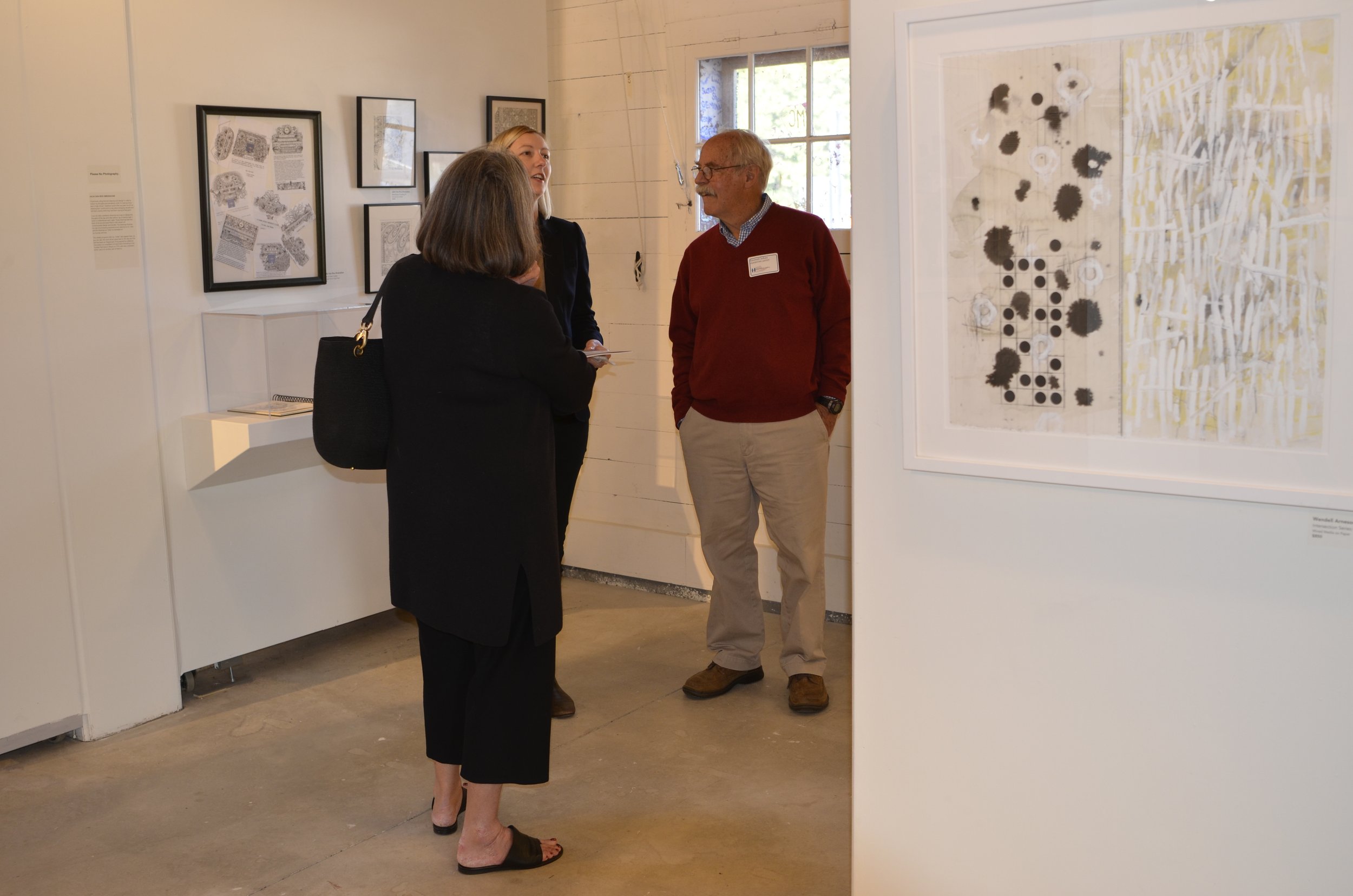
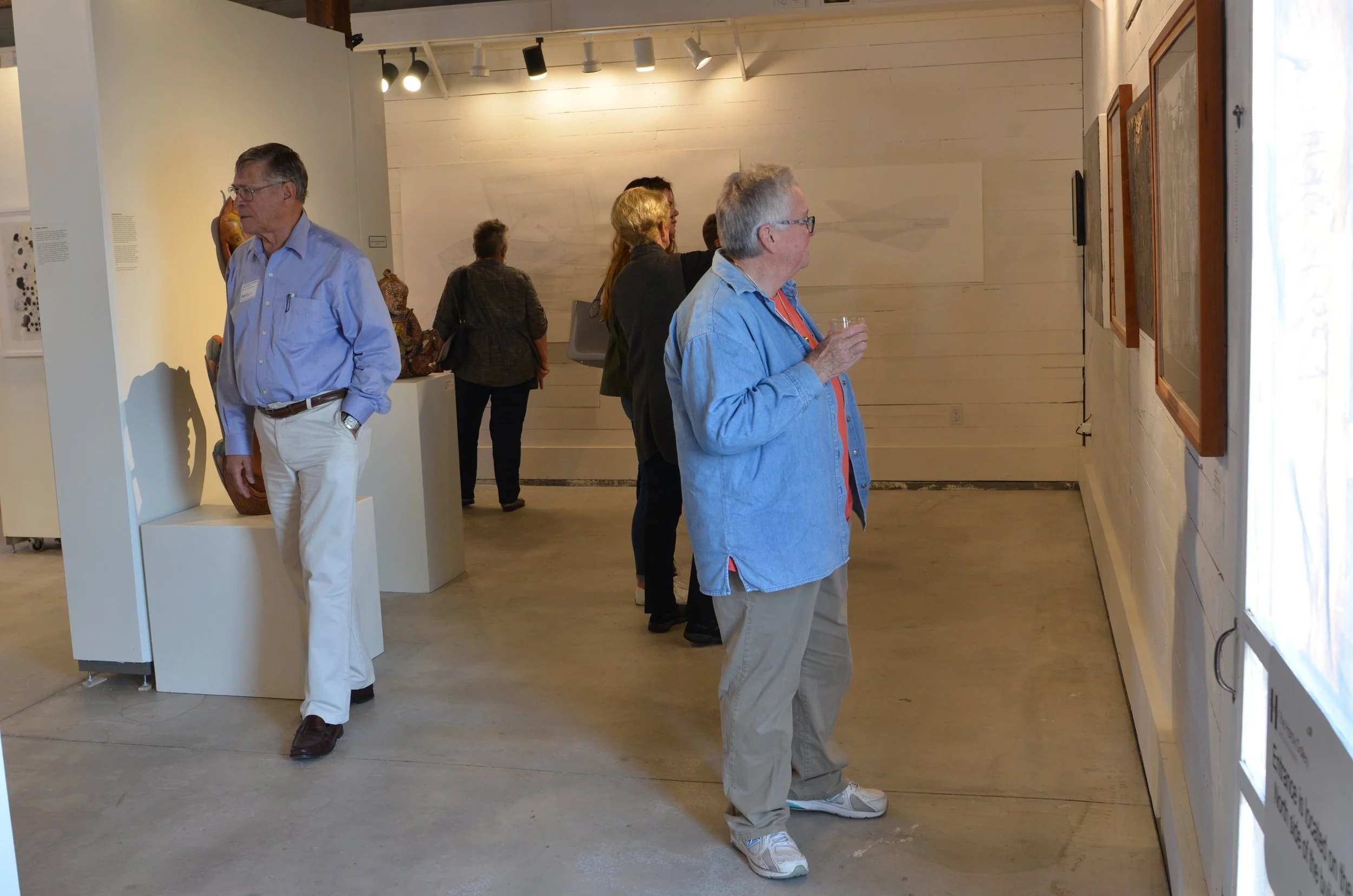
The exhibit is a combination of local, regional, and nationally recognized accomplished artists and professionals.
On Exhibit: September 1–October 15, 2017.
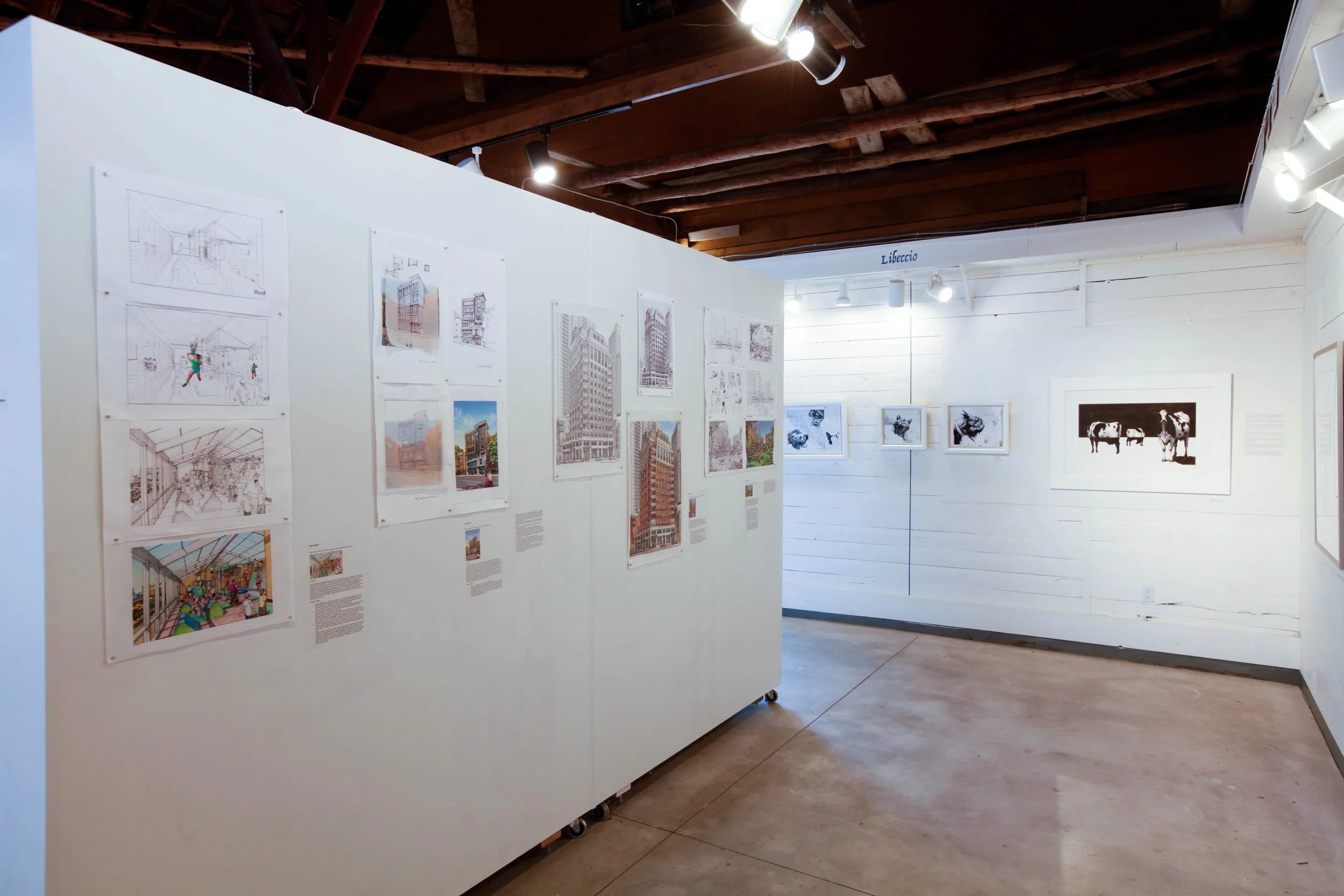
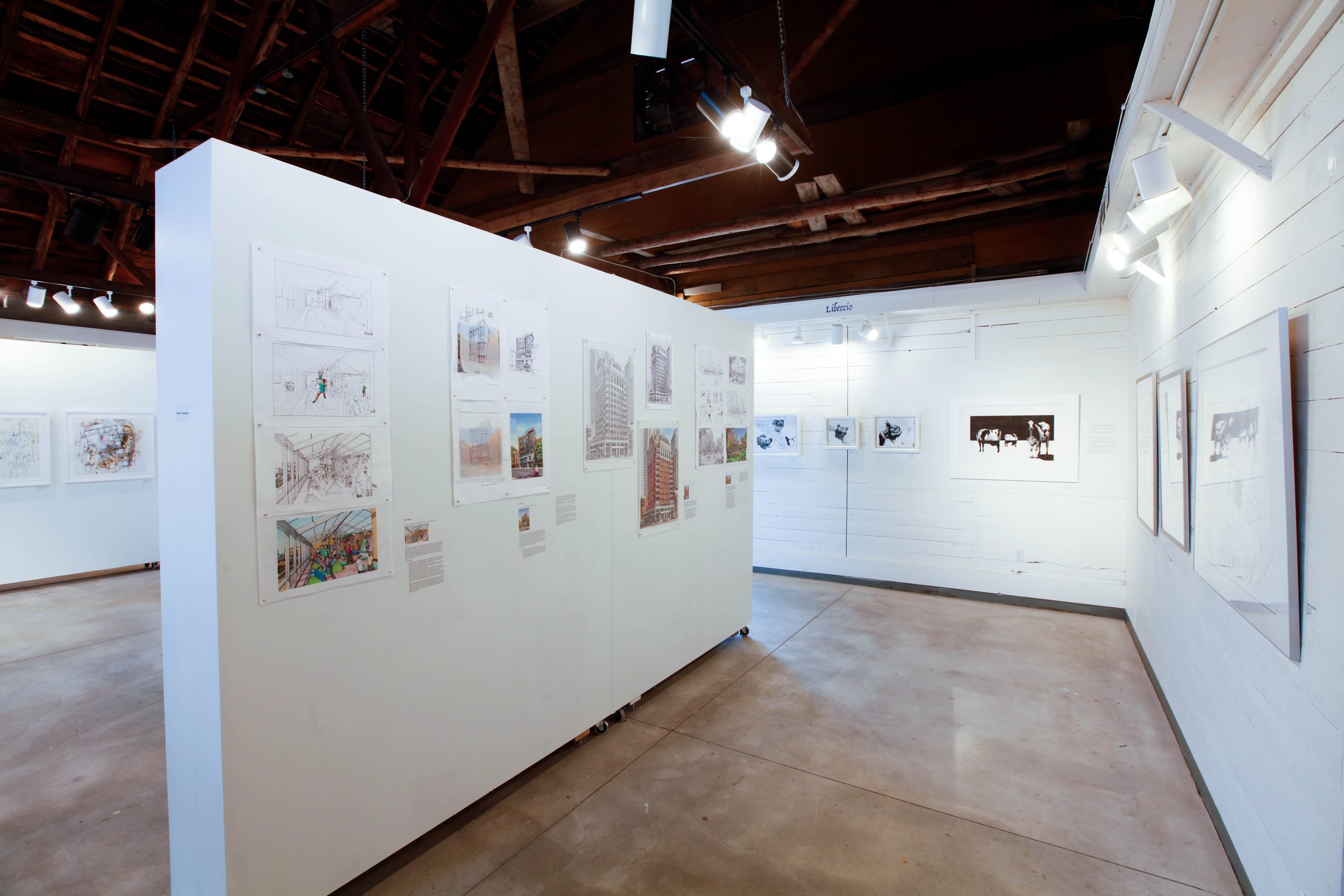
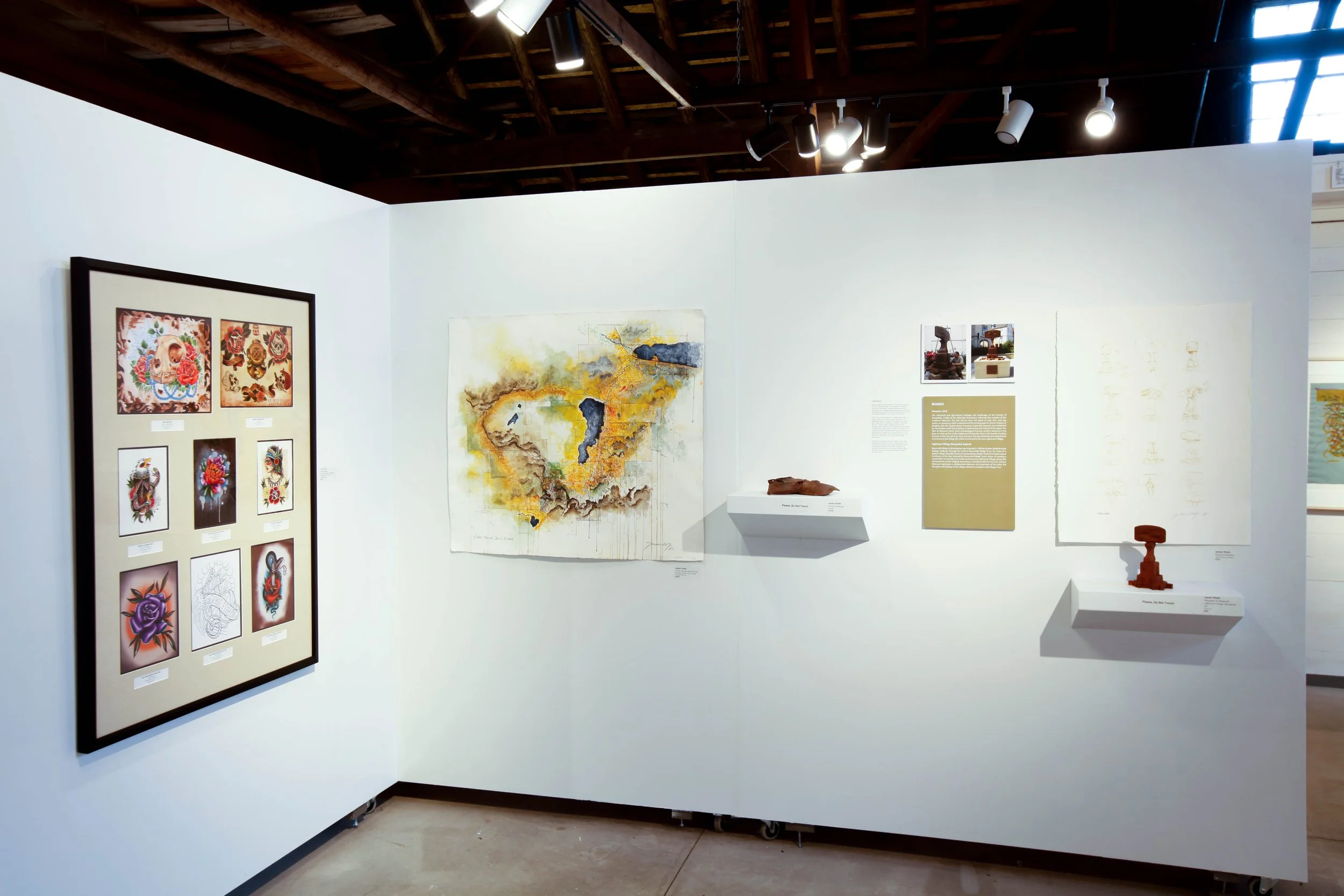
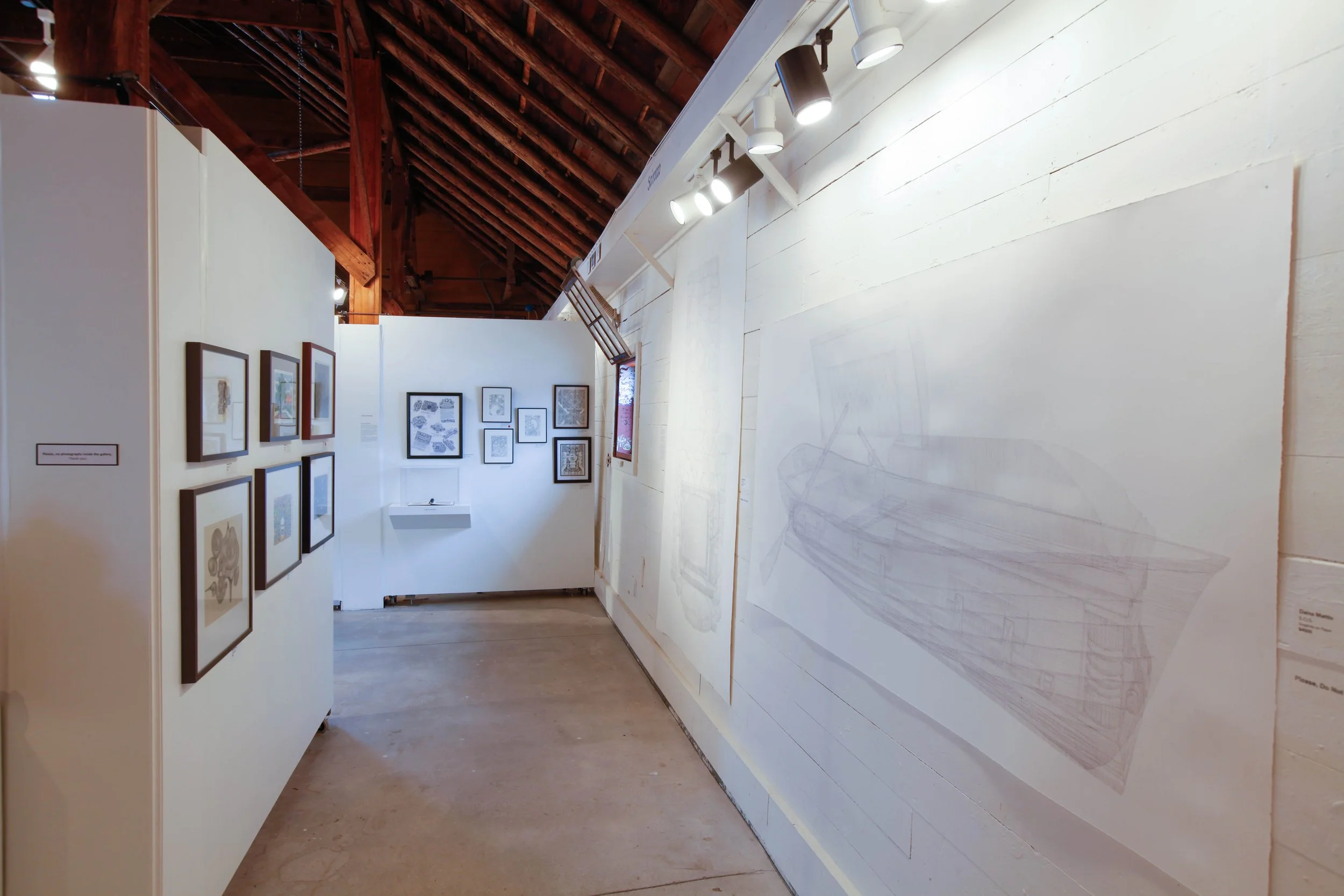
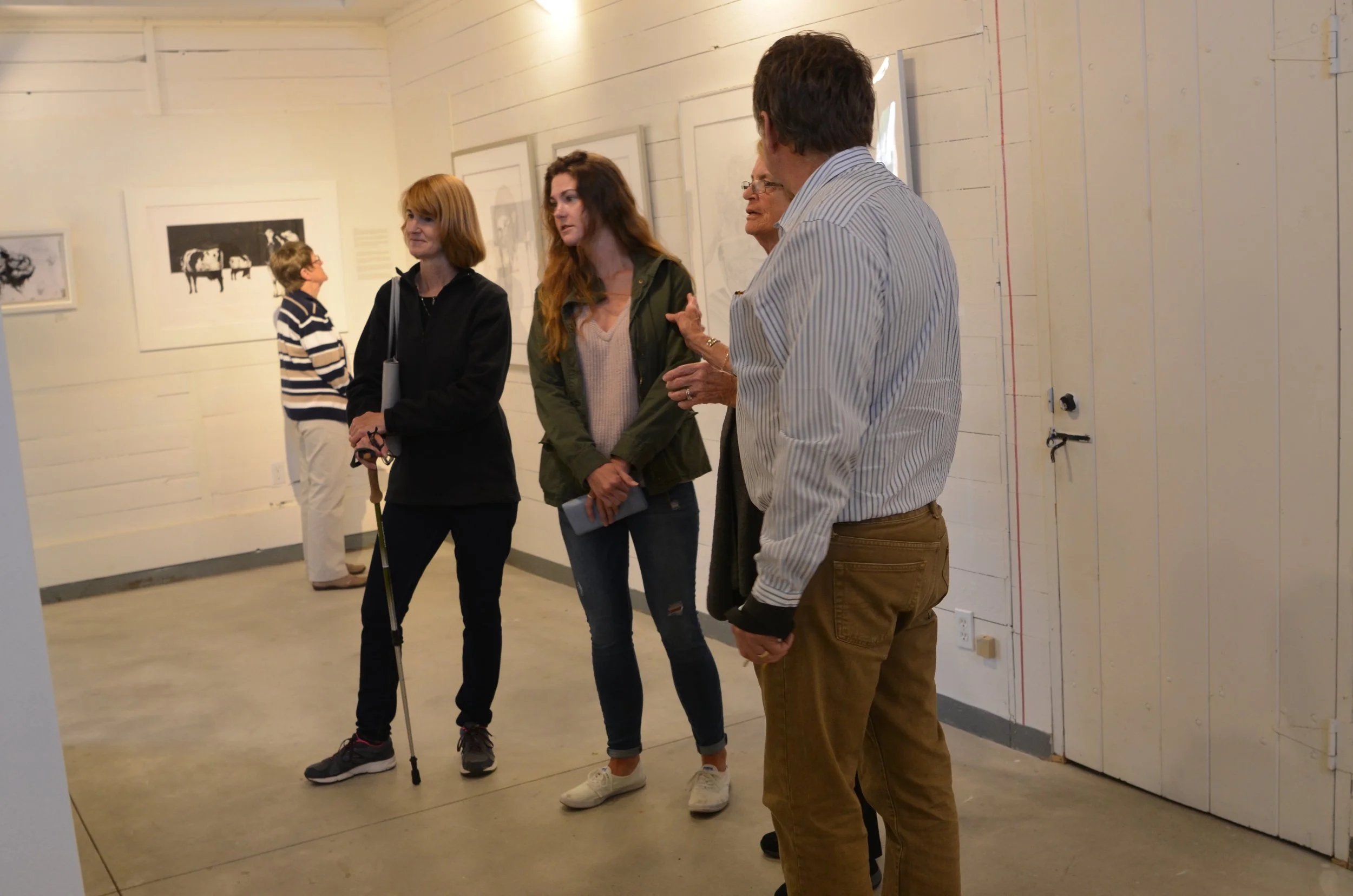
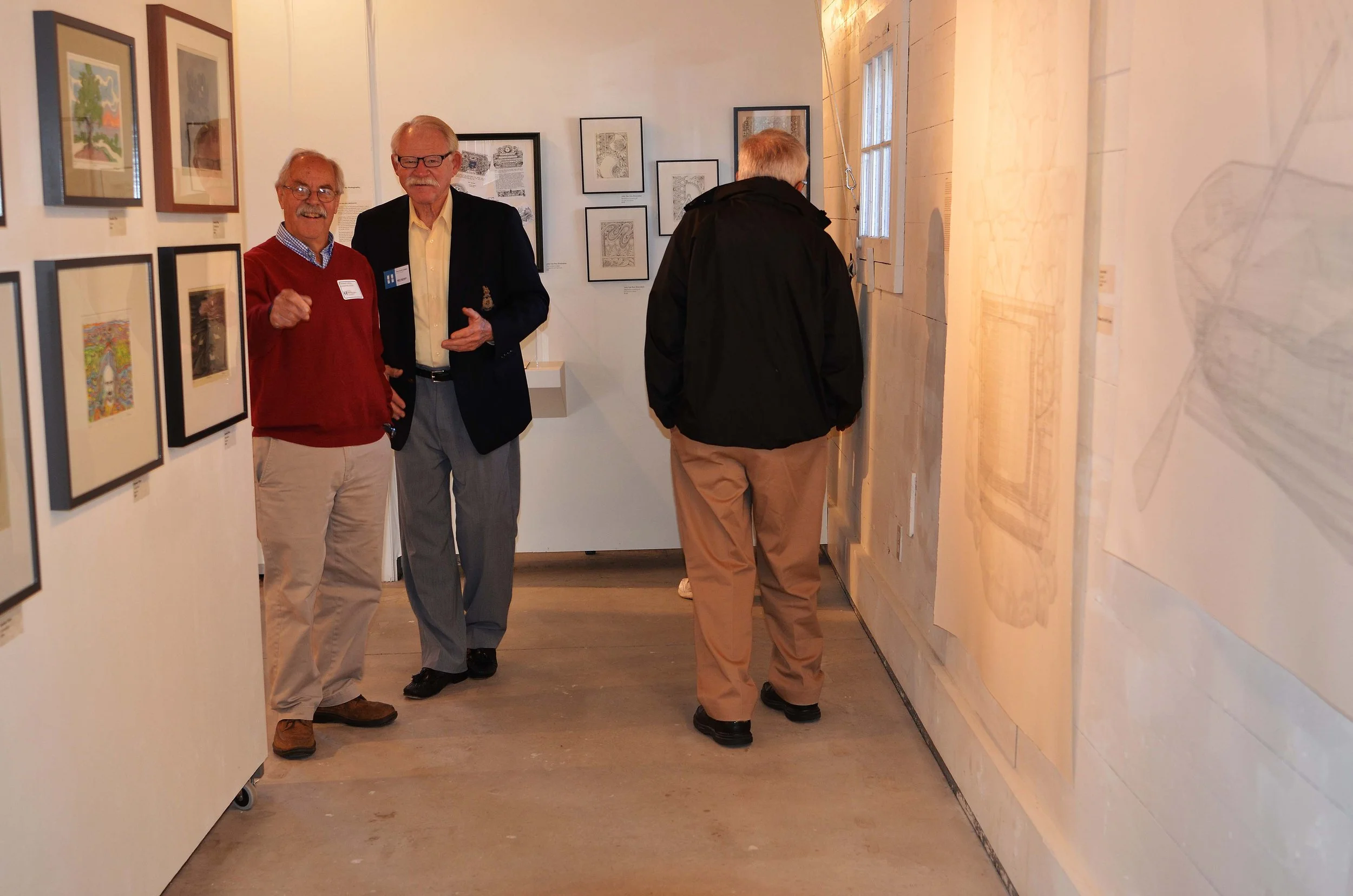
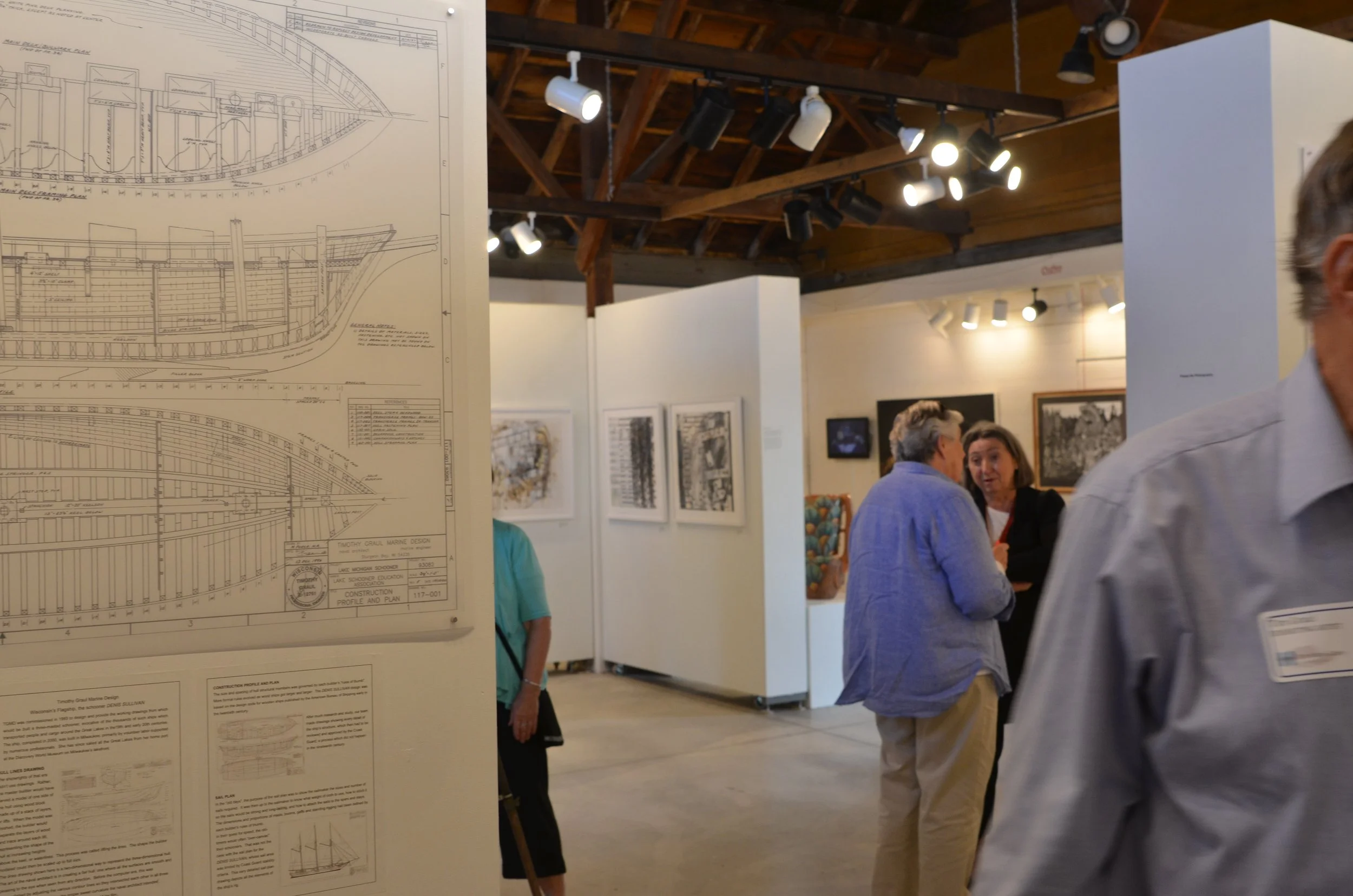
Participating Artists
Wendell Arneson
I am interested in work that resides in both objective and non-objective worlds. I am equally attracted to the gesture and the non-descriptive mark as well as the power and ambiguity of symbol and image. Painting inhabits a place between the known and the unknown.
This work draws from an inventory of images that make multiple, yet varied references allowing for content to shuffle, reinvent, and remake itself. Art, for me, does not provide answers but rather provokes questions and seeks possibilities. I am an image-maker and interested in the intersection of figuration and abstraction. The work reveals, in the face of injustice and exclusivity, a response to personal and global issues of time, place, memory, community, journey, and hope. Through the process of discovery I seek clarity while honoring mystery and ambiguity.
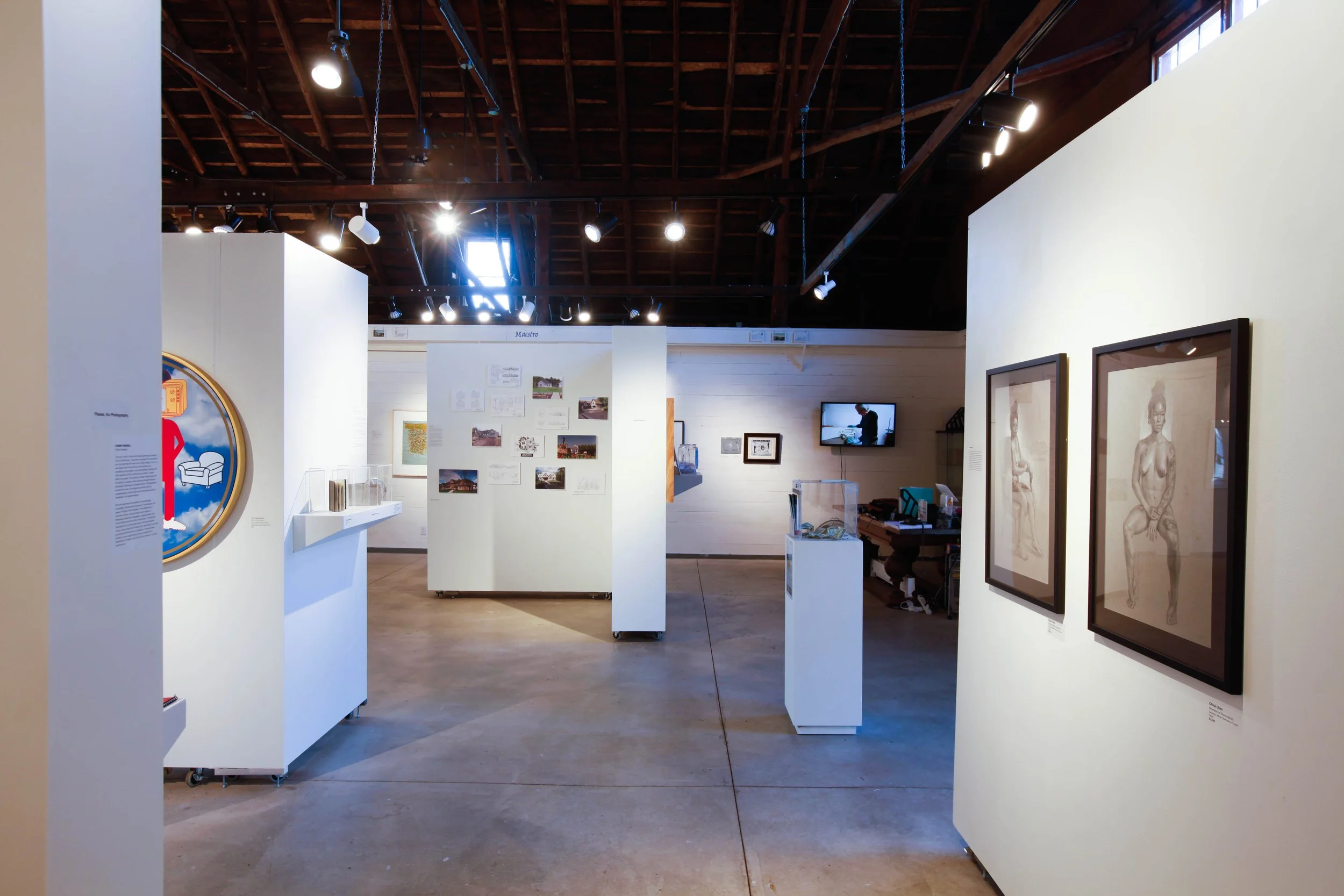
Olivia Chen
I treat my drawing practice like a marathon or meditation. I am focus, observing and drawing one line at a time. Drawing human body is a life-long endeavor with endless possibility for improvement, learning and variety. We often think we know the things around us, but rarely do we slow down and look. Drawing the human figure forces me to see deeply into body relationships, measurement and proportions. There is no way and unnecessary to draw everything I see, it is my artistic responsibility to make decisions on what to edit and how to translate a complex form. What I leave out is just as important as what I put in.
Cara De Angelis
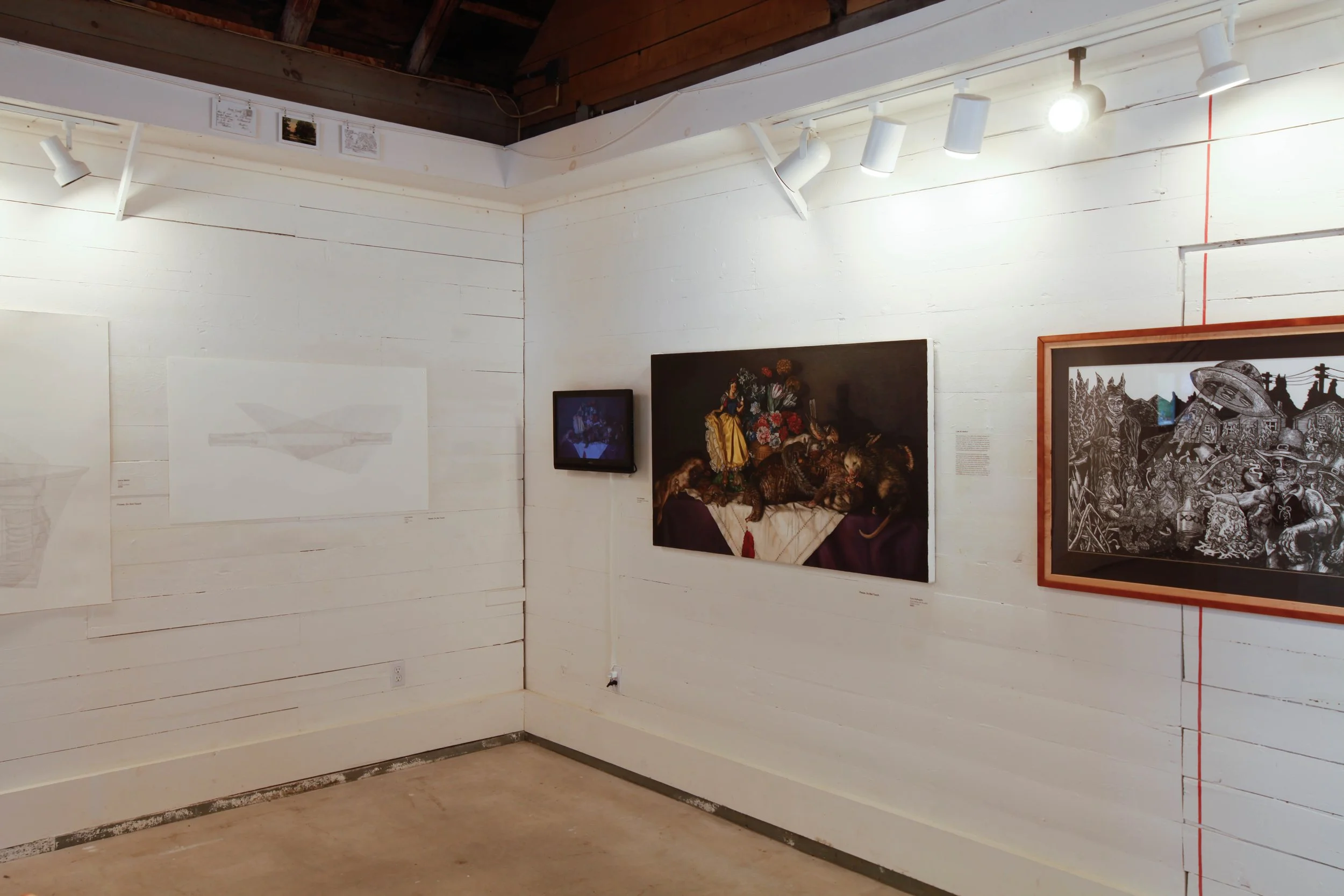
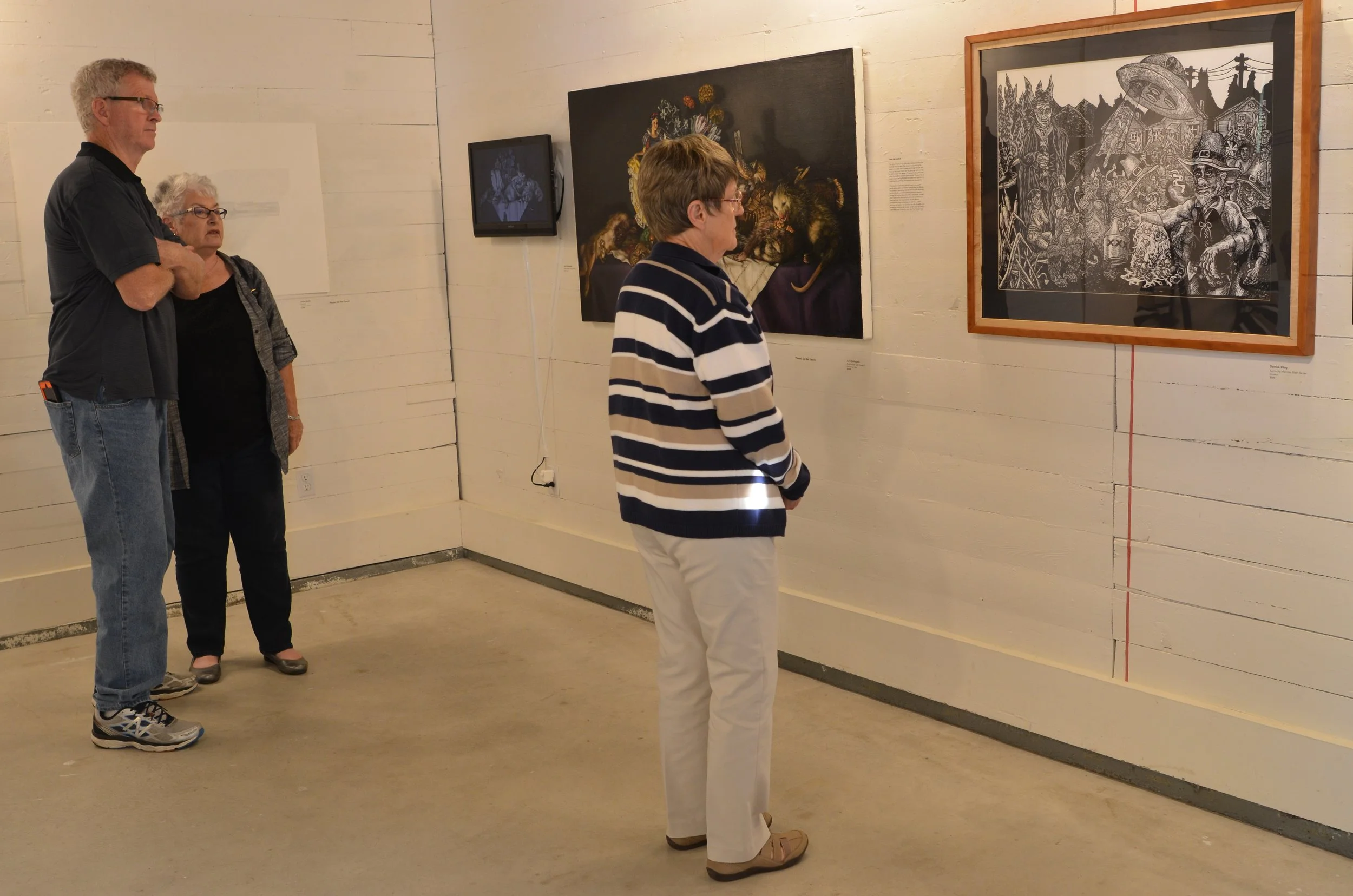
The central theme in my work is the interplay between the Domestic and the Wild. This theme is embodied by my series on roadkill, which is presented through the rich and historical language of Still Life. The paintings have evolved to both emulate and satirize 17th century Hunting Still Lifes, using the roadkill in place of game animals. These works re-invent tropes used by the Flemish masters and give them a contemporary, political, and environmental perspective.
The inclusion of dolls and children’s toys in my roadkill paintings are used to symbolize nostalgia and the infantile. This creates a fascinating disparity between the two worlds, and also serves as a means of finding humor in tragedy through the inherent absurdity of the comparison. Similarly, other works in the series satirize aristocratic portraiture. In these paintings, the dead animals take the place of privileged lap-dogs on the knees of patricians. These paintings also explore and question the role of wildlife in an increasingly industrialized society, and the place for them in what’s been now termed by some as a ‘Post-Natural Age’.
Carol Emmons
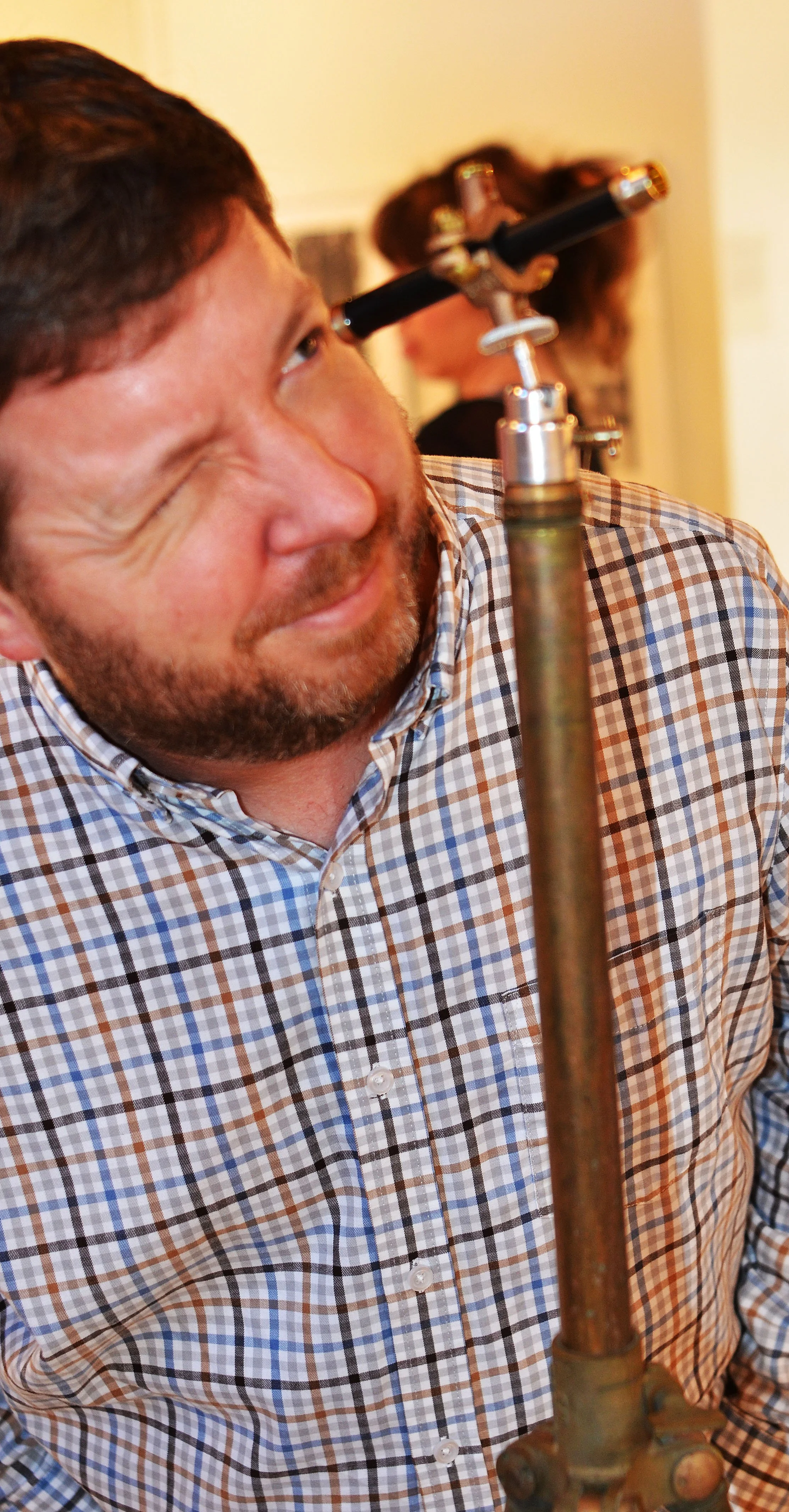
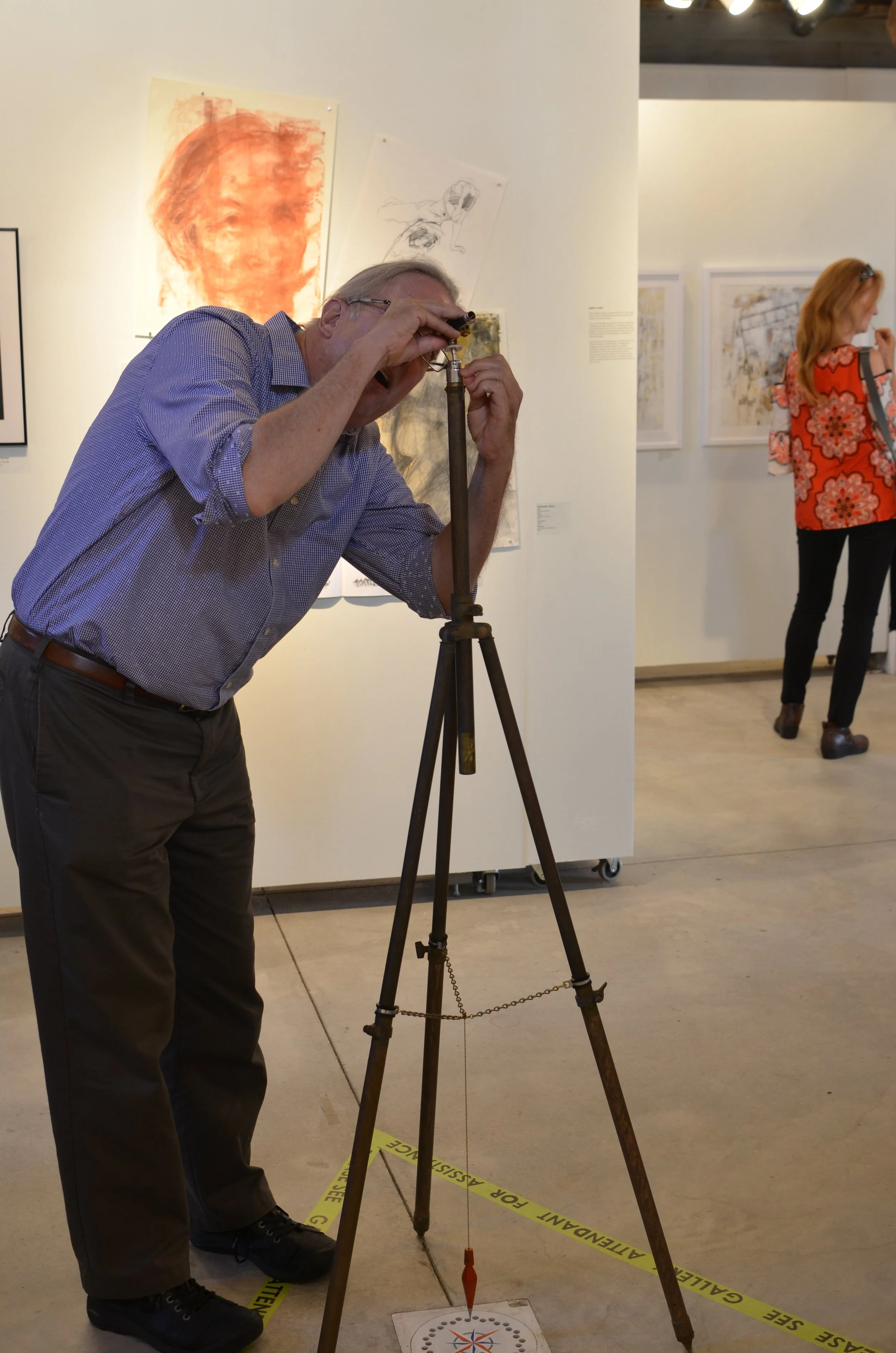
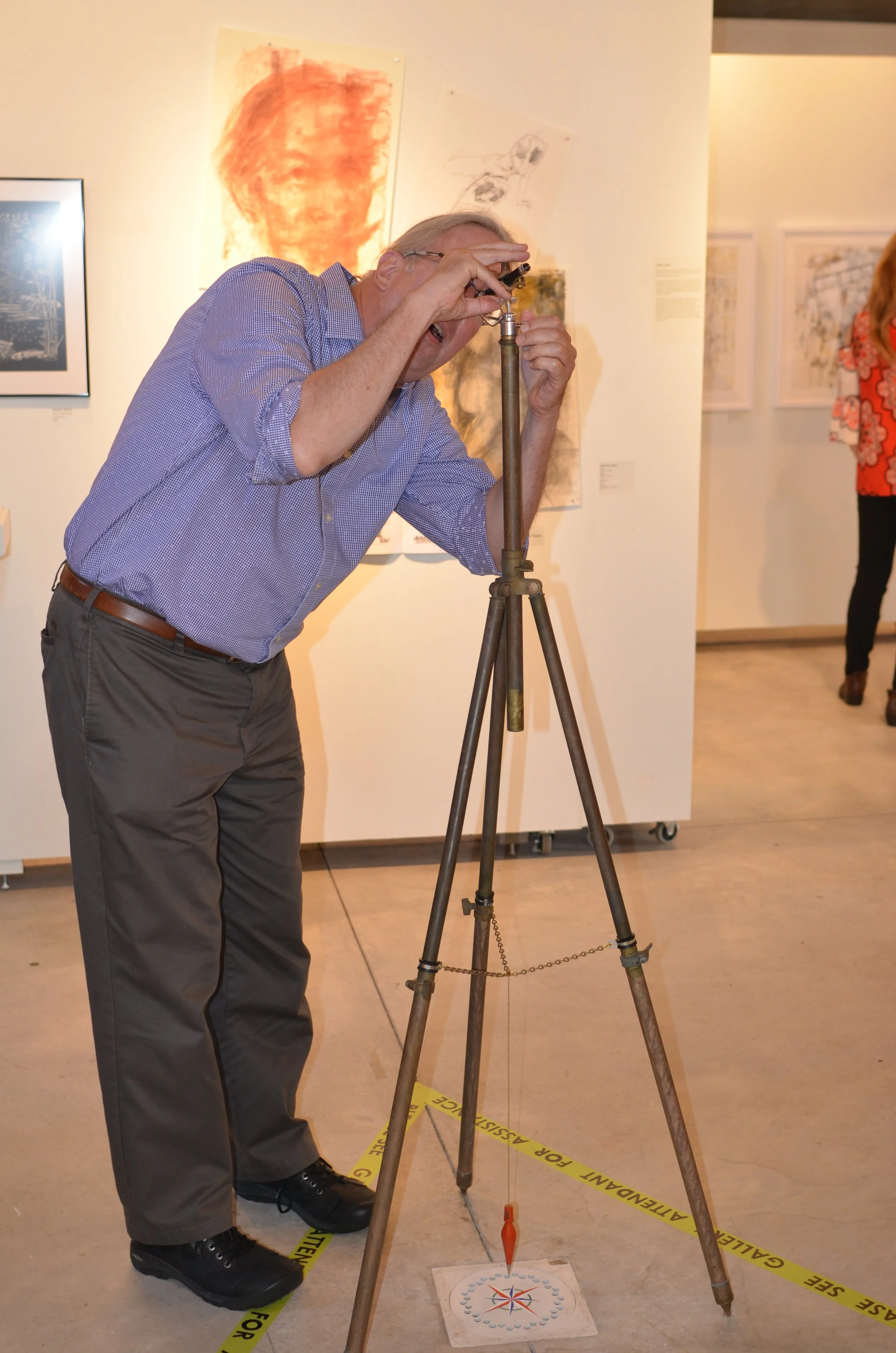
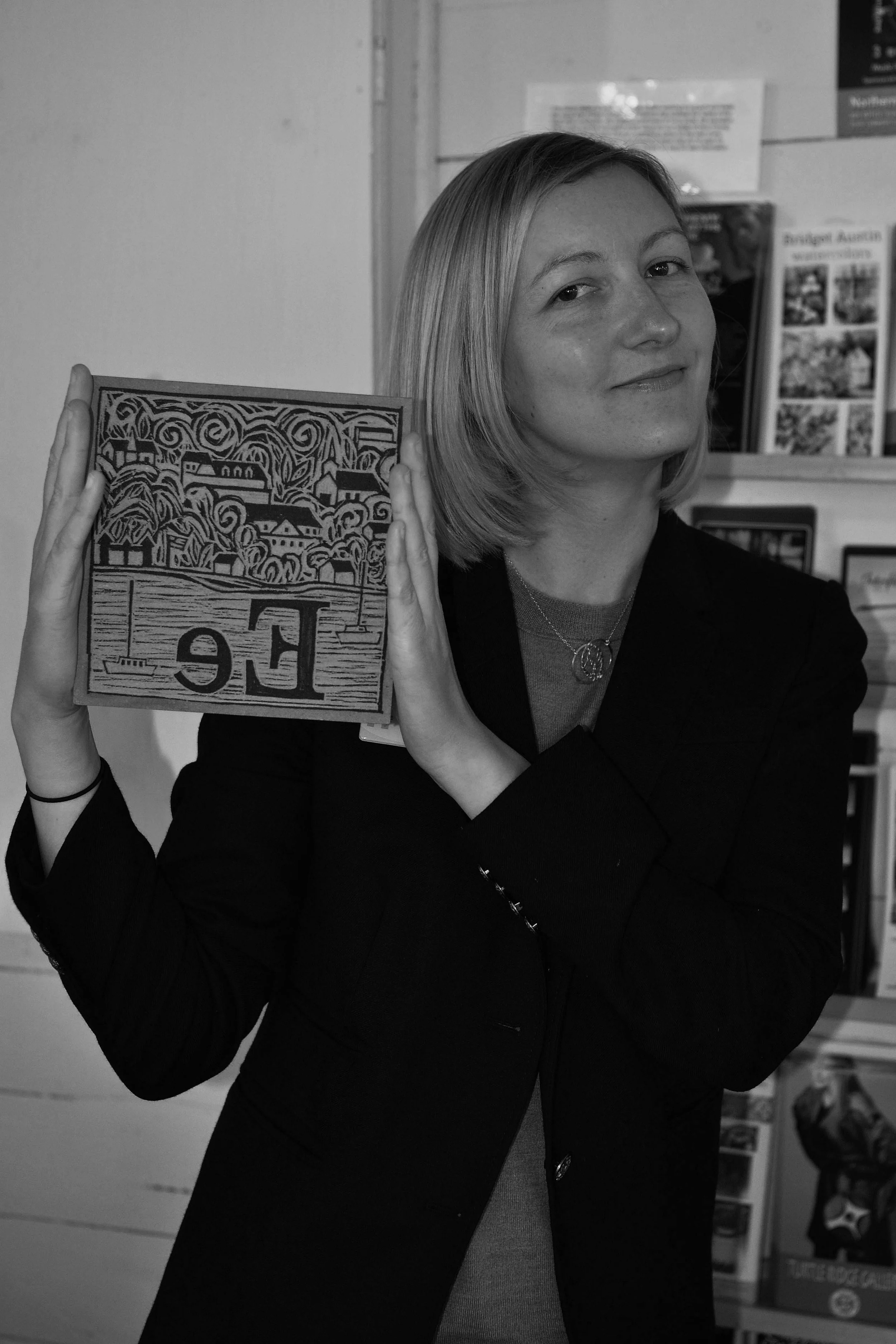
To mark is to delineate, but also to place—we use line both to represent the world and to carve it up. Lineamenti explores this paradox with the Hardy Gallery as its locus. While abstractions like cardinal directions and mariner’s winds are rendered into concrete linear forms, the tangibility of Ephraim and life there is abstracted into contours of image and text. The alternative views through the central scope (tele- from one end, micro- from the other) echo this complex web of word and thing, image and substance, souvenir and lived experience.
What I prefer, about post cards, is that one does not know what is in front or what is in back, here or there, near or far, the Plato or the Socrates, recto or verso. Nor what is the most important, the picture or the text, and in the text, the message or the caption, or the address.
Jacques Derrida The Post Card: From Socrates to Freud and Beyond trans. Alan Bass, University of Chicago Press 1987, p. 13
Joe Heller
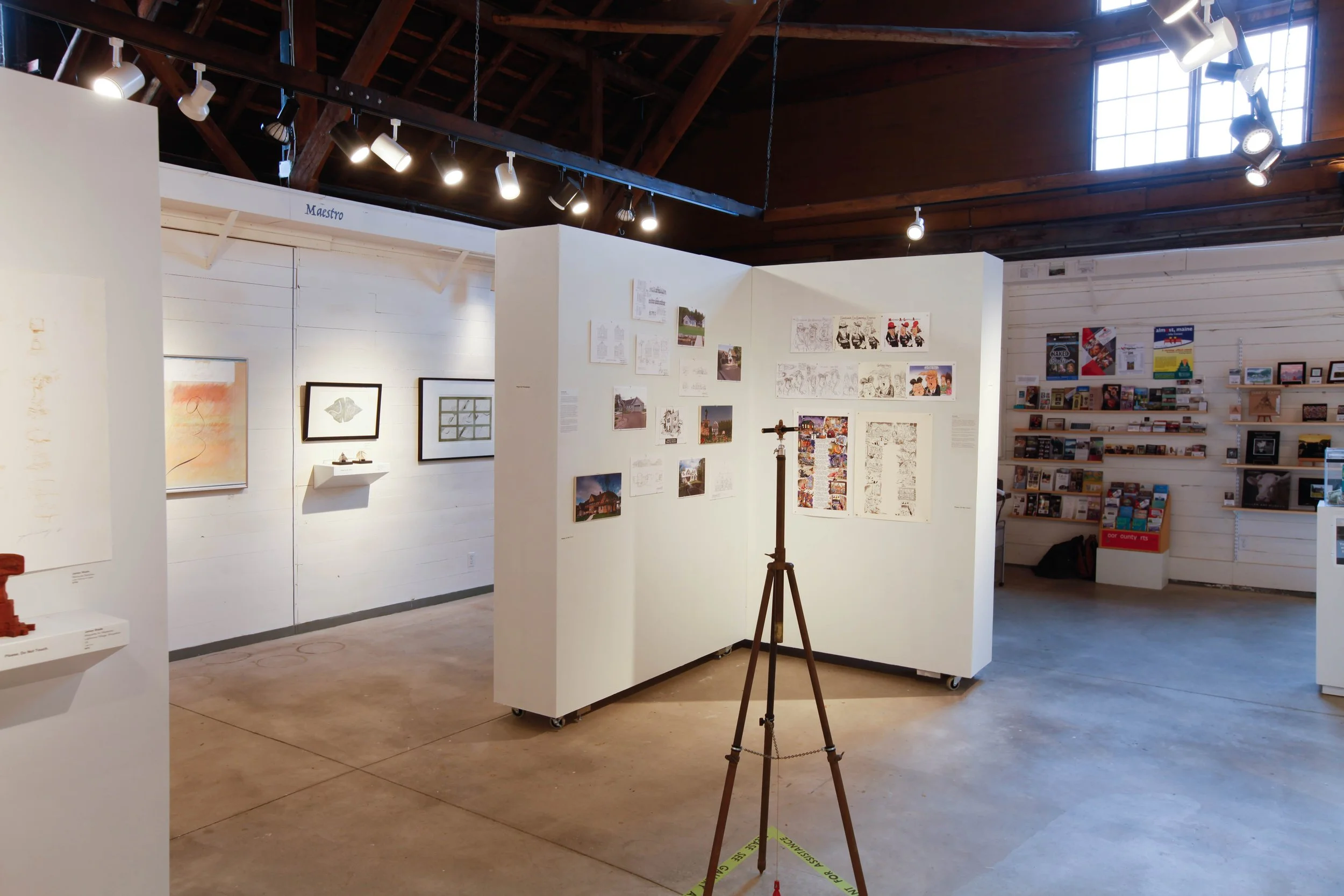
As a political cartoonist, I strive to draw a cartoon that is compelling to the reader. I believe there are four basic elements that go into a good editorial cartoon. These four elements are all not equal. Depending on the topic of the day. The percentage of each element always varies with each cartoon.
First, is opinion, that is mainly my own opinion. I research my topic of the day using various media sources.
The second element is humor. And sometimes the lack of it.
Third is visual impact. Setting the stage and illustrating to get the most out of the opinion and humor.
Fourth is reader response. Putting the first three elements together and thinking about what I hope the reader will get out of the message I am trying to convey.
Drawing a daily editorial cartoon is challenging. Because when you think of it, I am taking complex issues in the news and distilling them down to a message that everyone (hopefully) will understand within 15 seconds of reading it.
Emmett Johns
When Degas was dying, he told artist Forain, “No funeral oration for me. If there has to be a word, you get up and just say, ‘he loved drawings…’
I, too, love drawings, and I love to draw them, drawing on a daily basis one way or another. I had the good fortune to study life drawing with one of the greatest life drawing teachers in America, master draftsman Harry Carmean. His teaching covered all of the Renaissance, in addition to Ingres and Degas.
Each three-hour life drawing session was devoted to one of the old masters of draftsmanship. Subsequently I experienced a broad range of styles and esthetic sensibilities. Carmean did not teach Italian model-ing or pictorial fact; his focus was compositional system of coordinates and variance, all found in the human form. Whether I am painting an abstract or landscape, what I learned in these life-drawing classes are the foundation for all my works.
Daina Mattis
I create large works on paper that examine the representation of visual language and how the viewer mitigates the marriage of image, process and concept. My recent drawings are created from the undulating pressure of thousands of vertical and horizontal graphite lines forming subtle yet complex images. These works aim to expose what we are looking and how we are looking.
In my practice, the activity of drawing is about repetition and pattern. It is a slow, habitual, calculated, and multi-sensory activity. There is a constant flux of pressure, motion and overlap where time is materialized into line, creating a visual abacus. Transparency is a hallmark of drawing; even after the physical act has ceased, the process is visible. I am interested in how the physical marks transform, folding image and line into an object describing time.
Each drawing is created from the overlap of two images, one drawn in all vertical lines, the other all horizontal. Discernable as tally marks, the vibrating lines form upon the surface echoing/imitating the x and y-axis of the picture plane. I purposefully construct the subtlety of the images to present the viewer with a different experience relative to their proximity. A farsighted, passive, experience forms visible re-representations of objects. A nearsighted, active, encounter with the lines reveals process and time. With the overlapping graphite optically merging the forms, each drawing contains a visible presence and absence of either image, an instant obscuring and accentuating that relies on the personal and perceptual experiences of the observer to mitigate. The hatched precision of each mark defines a force of visibility yet the overall subtleness in palette is akin to the color and concept of “battleship gray,” a neutral tone typically used by warships to reduce visibility. Just as letters from an alphabet form sounds, I am exploring the language of representation and how the viewer experiences the marriage of image, process and concept.
Ann Mory Wydeven
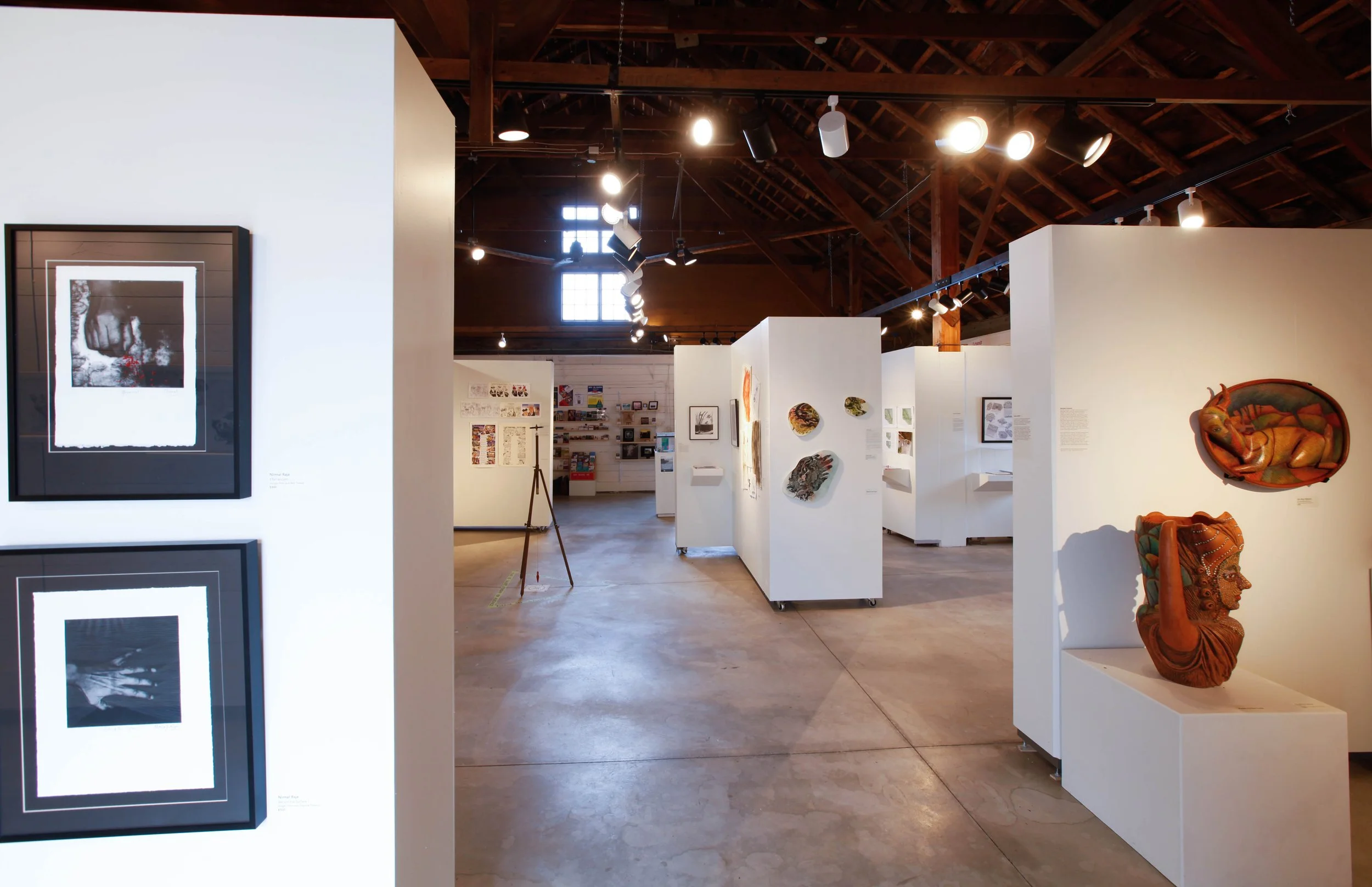
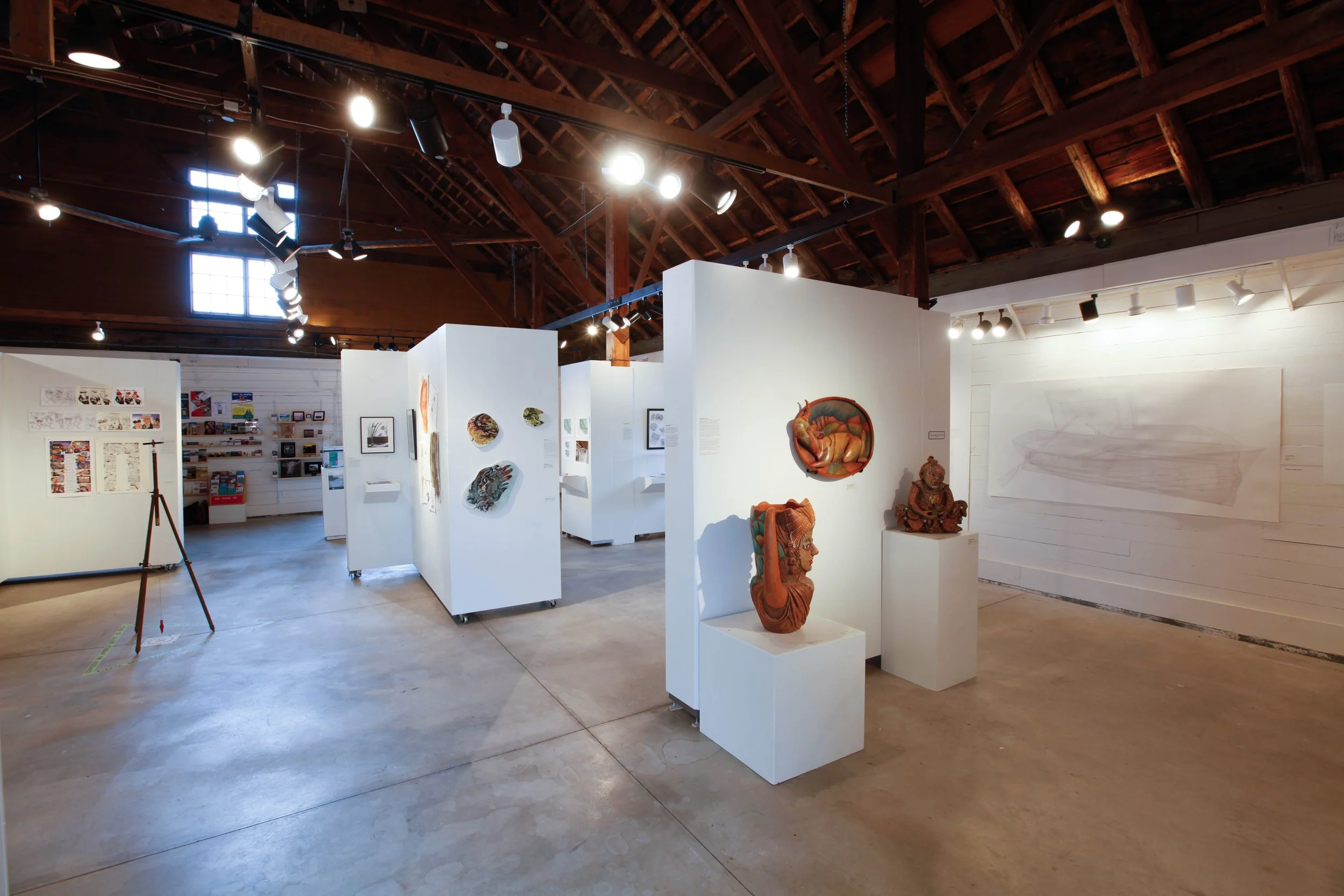
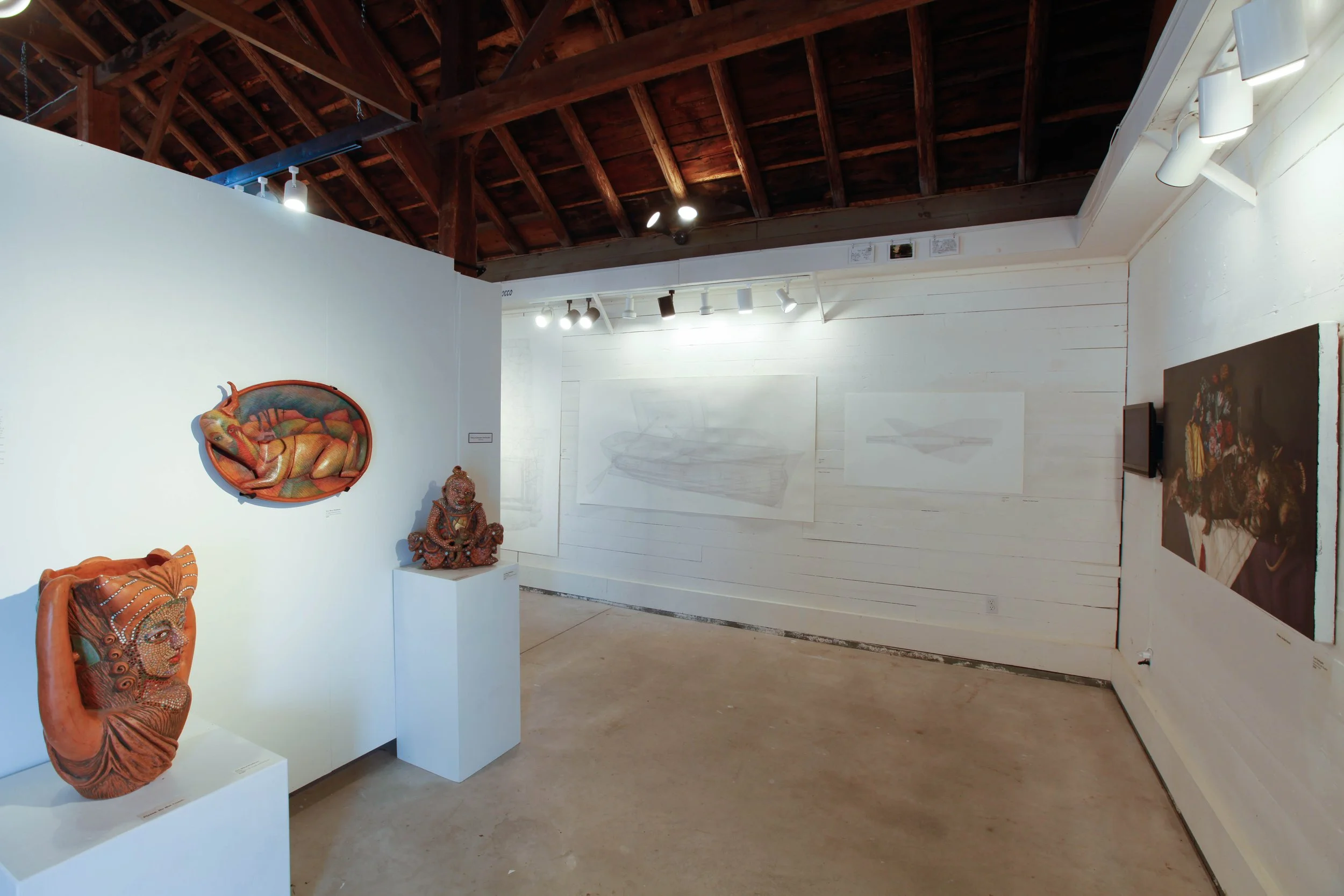
Ann Mory Wydeven is a sculptor working predominantly in large-scale mosaic murals and figurative ornamental sculpture. The blending of Byzantine, Baroque and Impressionist styles dominate her mosaic practice. There is an overlay of experimental textures, historical techniques and drawings that embellish the personal allegories of the figurative work. The mosaic narratives often wrap around large vessels, fill picture frames and are elaborate murals that give the viewer a glimpse of ecosystems in full health or in decay. In this way, the work is a visual translation of time and memory. The figures embrace mythical, religious, and legendary stories using self-portraits to step into another time, or skin. Organic systems, relics, and historical artifacts all play into the story-telling process.
My art practice has a duel path. One part will fuel the other. Commission work is a large part of my practice. When I begin a project, there is a great deal of research. Each commission is made with careful consideration of the patron, the purpose of the work and what speaks to a broad audience without taking from what I personally find satisfying. Working on large-scale public works is a fulfilling challenge. There is the engineering component and the collaborative nature of these projects that fuel my personal work.
Narrative stories with mythic figures Symbols emotional responses to mortality, relationships, and myths.
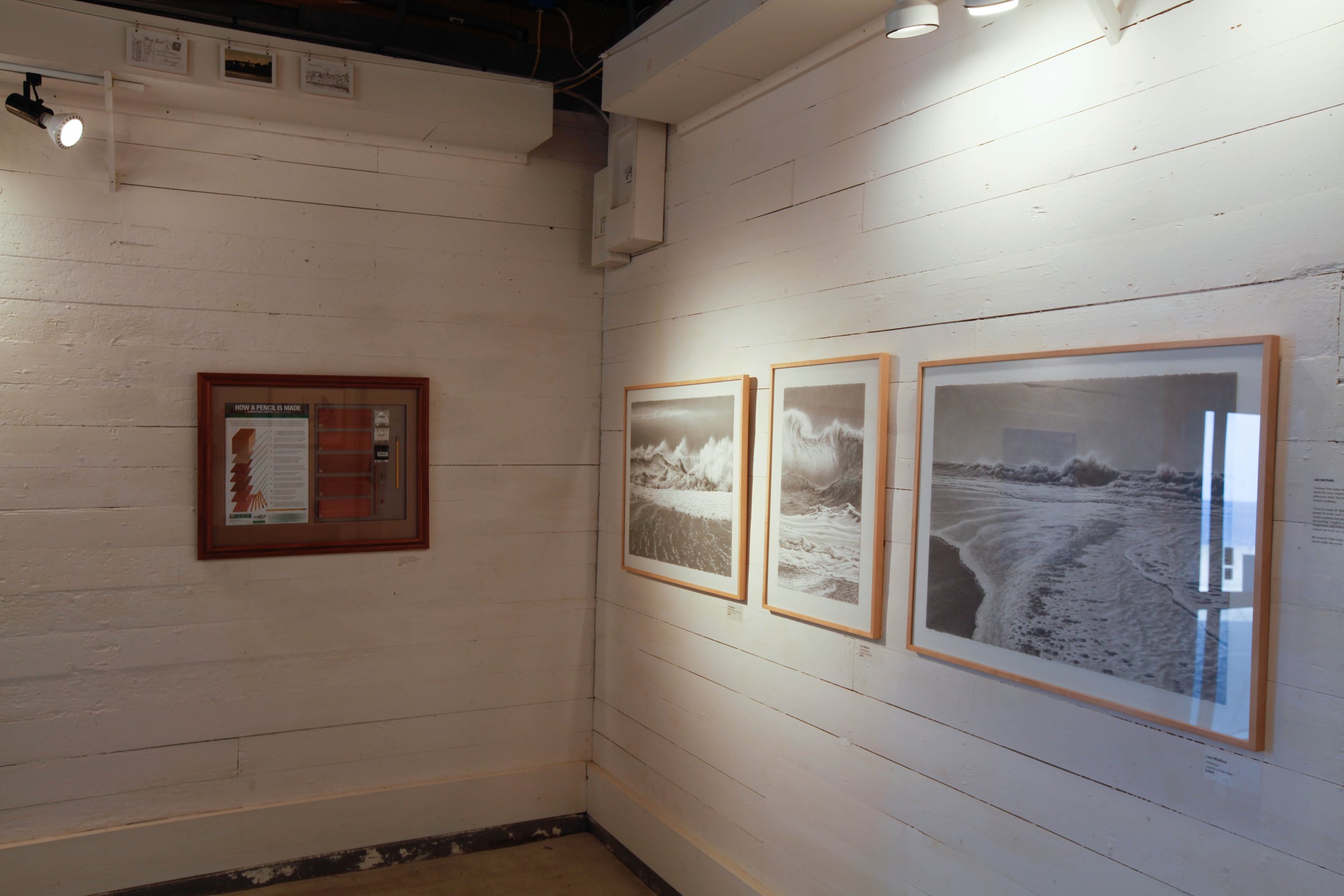
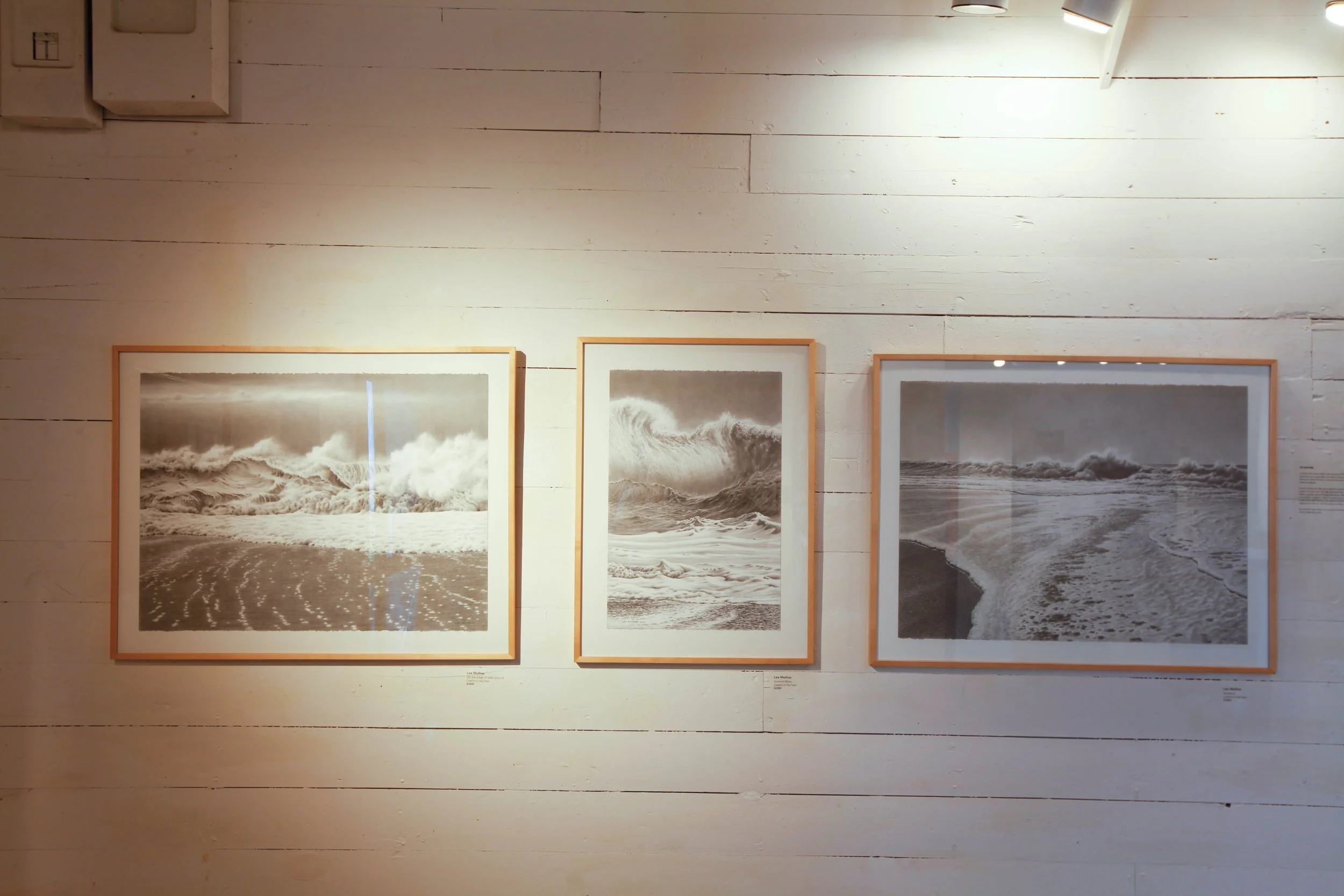
Lee Mothes
I believe that water really is the essence of life. It also feeds the soul, especially on a beach during a warm afternoon when the tide is out and the sand seems to stretch endlessly.
I love to create art that plays with the patterns, light and power of ocean surf. I am also fascinated by how the ocean currents and surf shape shorelines. Skies are equally enchanting. I work in a ‘what if’ world using my imagination and memory, plus photo-references to capture as much as I can the ocean’s energy.
My artwork helps keep me in touch with those places I would really like to be.
Hugh Mulliken
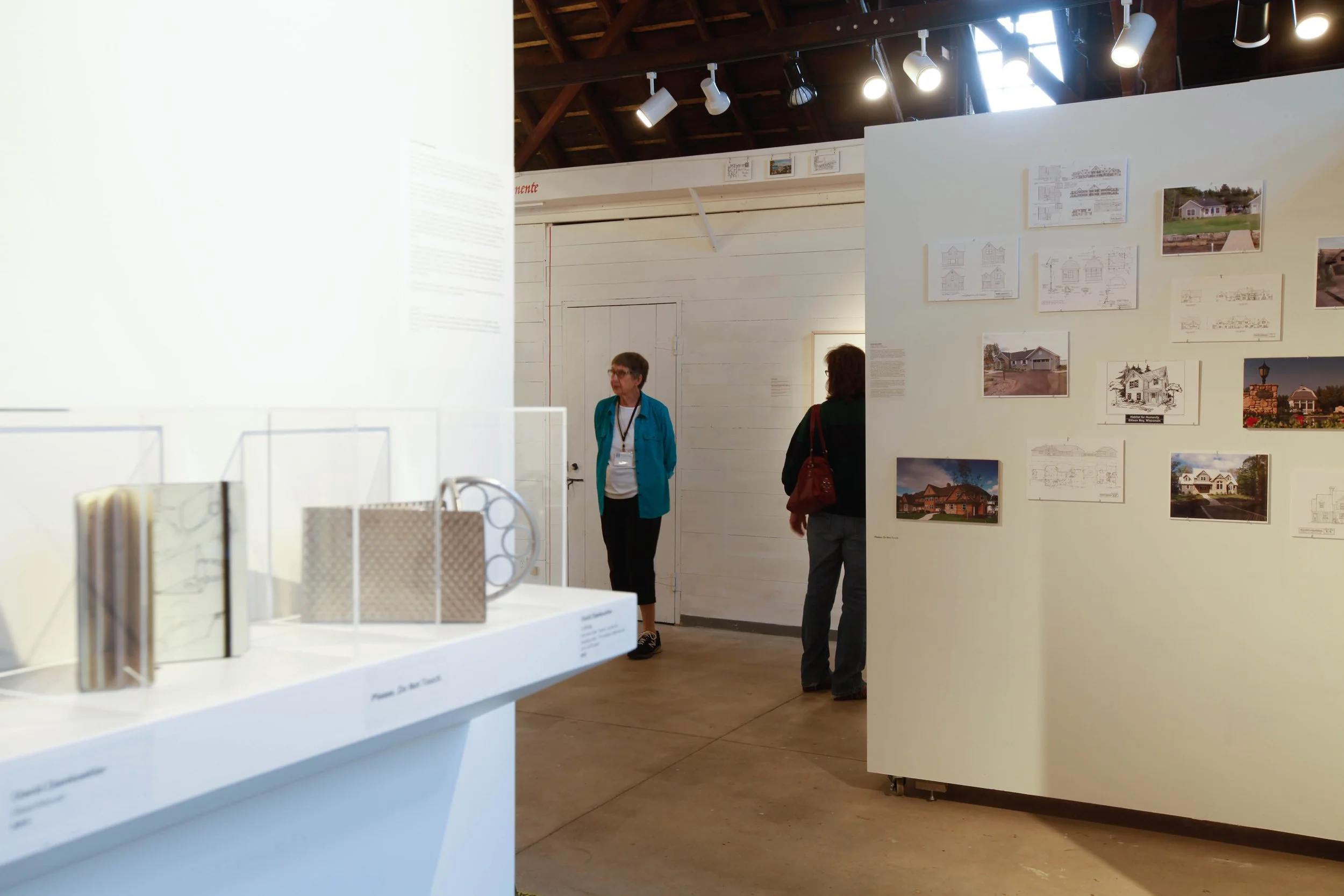
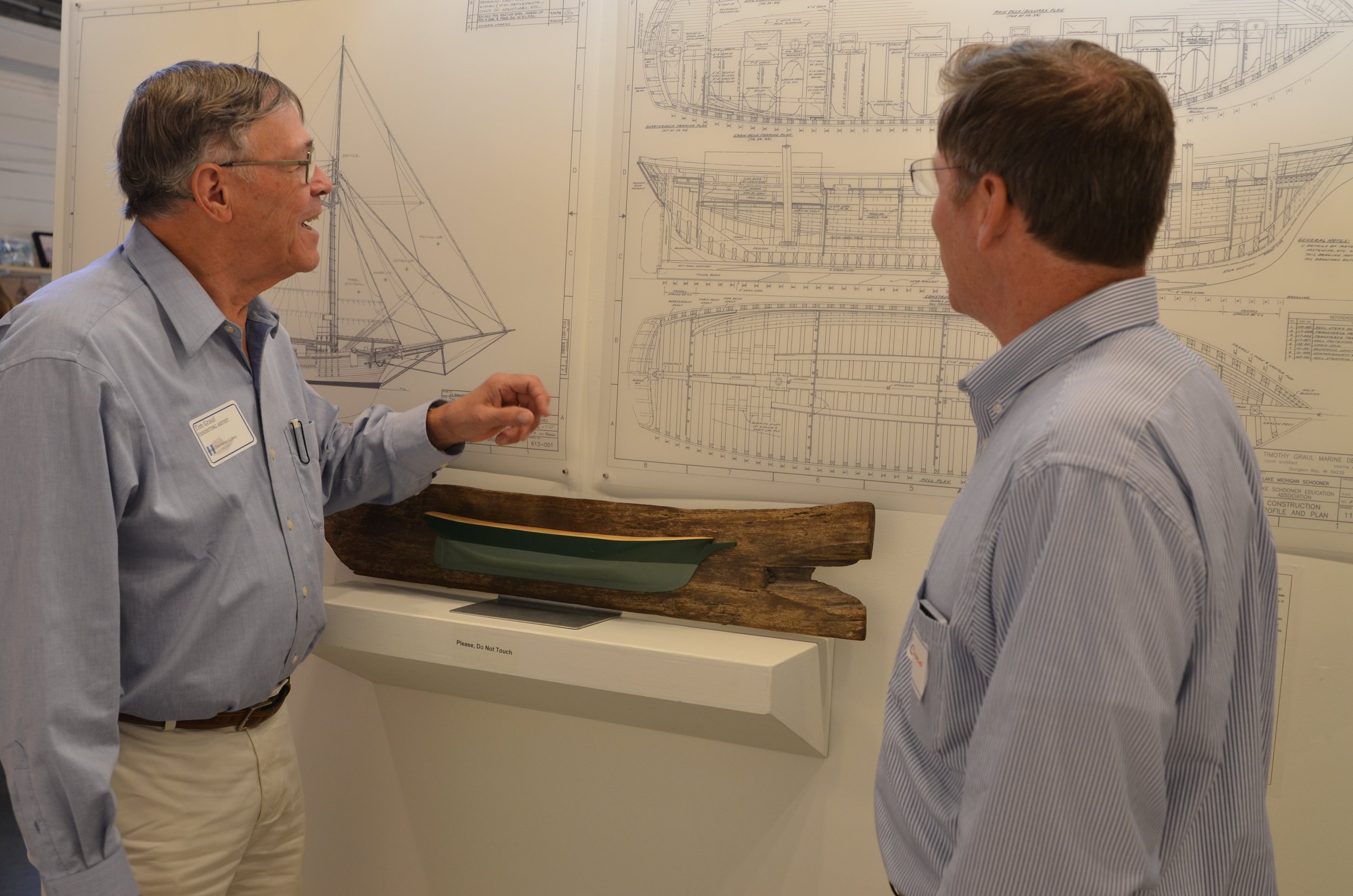
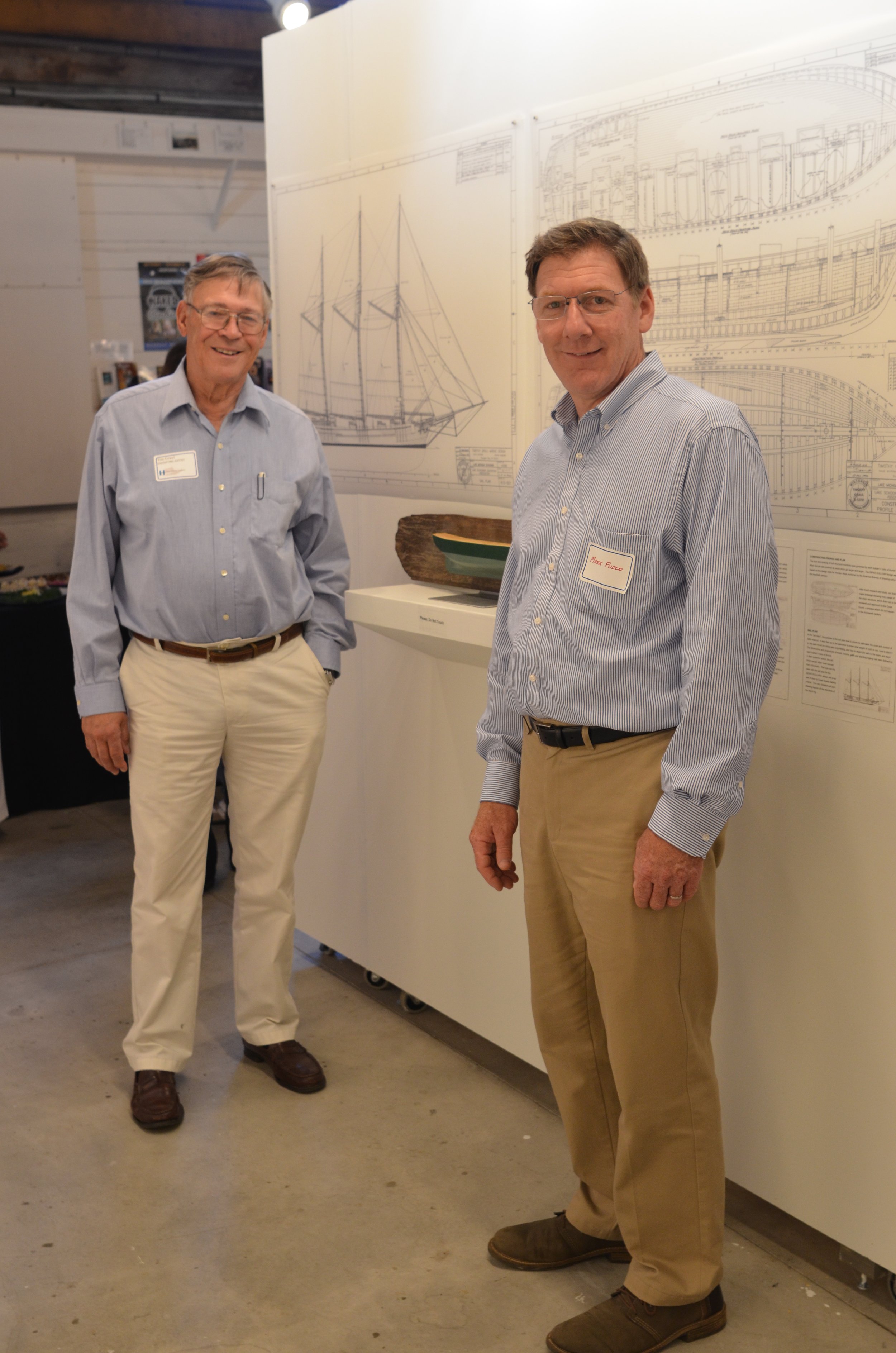
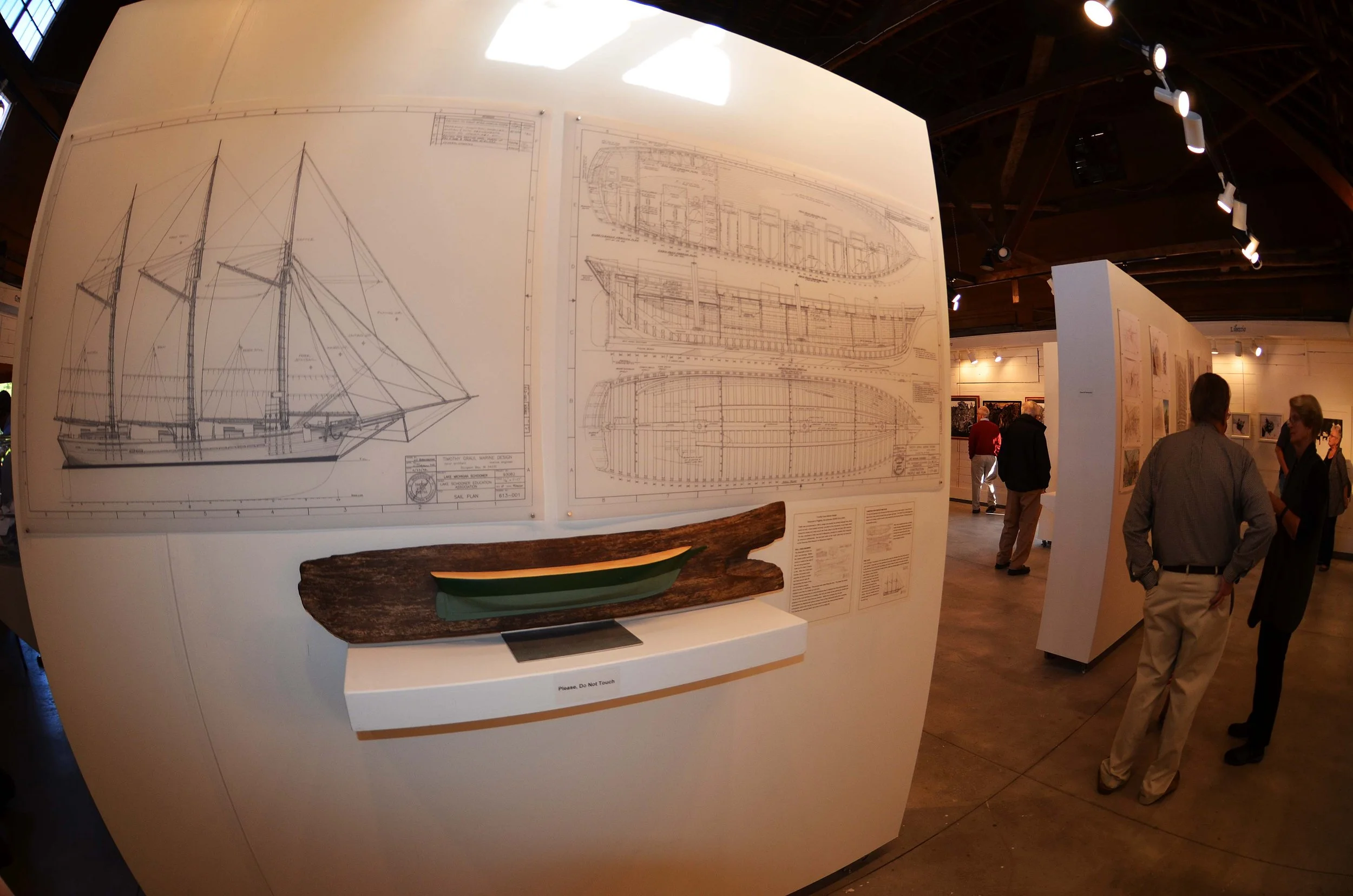
People will ask me how I learned to design buildings, as I have no formal training as an architect. From childhood I have always wondered what made something tick, or had a project to build. I would often disassemble things to study the design. Mom and Dad give me sheets of plywood and lumber as presents instead of more traditional gifts. Dad and I constructed the first go-cart in the neighborhood using the lawn mower engine for power.
Beginning in the early 60’s, my summer employment would be with a carpenter here in Door County helping to build a house. In those days you would pound a nail with a hammer and make cuts with a handsaw. There was no such thing as a precut stud and seldom did a house design use a roof truss. It was here that I learned to read a blueprint and lay out a home. Also it was the time when I fell in love with Door County.
After a three-year career in the US Army where I learned radar repair and electronic countermeasures, I returned to Southern Illinois University where I graduated with a major in Industrial Management and Applied Engineering. Much to my parents’ disappointment, with my new diploma in hand I returned to Door County to work as a carpenter and to further my on-the-job training.
In 1972 I designed and constructed my first cottage for a client. It stands today, continuing to serve three generations of family and as with almost all of my past clients I maintain a wonderful friendship with them. Through the years my projects have ranged from homes for Habitat for Humanity to homes with significantly larger budgets.
I must give credit to many people who helped develop my design skills to include architects Ralph Murree and Paul Malmgren. I enjoyed working with both of them. My designs have always been in the forerunning of energy conservation, functionality, and solar orientation. Probably the best complement I receive is from the homebuilder as they recognize that I learned to build before learning to design.
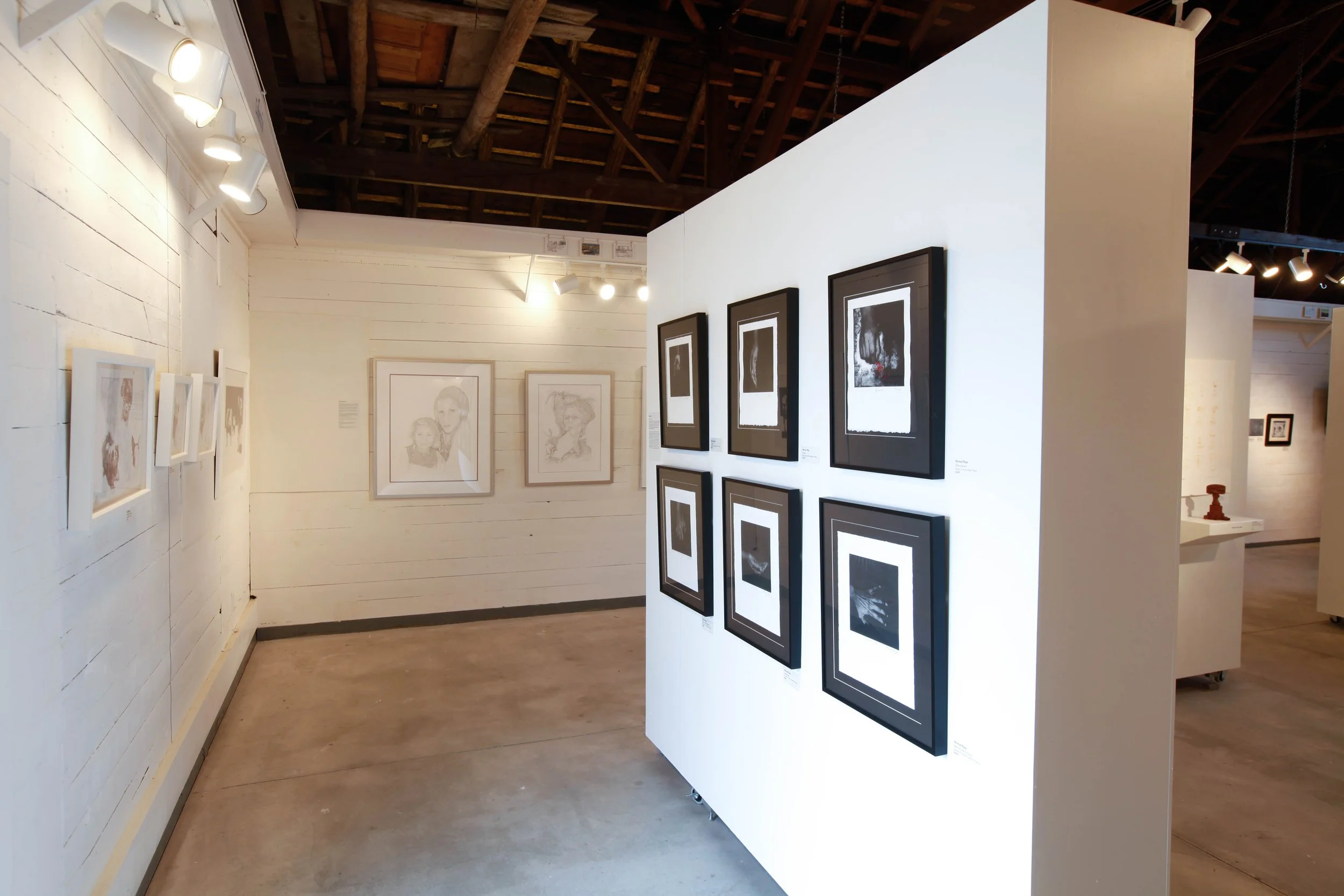
Nirmal Raja
The intangible and the ever changing are fascinating places to explore in my work. As a transplanted individual living between two cultures, I am constantly trying to identify where and how I fit into a place. Liminal concepts like memory and perception of time and space are natural extensions for this exploration.
Using simple form and a minimal number of materials, I explore the ephemeral in this series. Transience and elusive meaning are given form in the graphite lines that are visible and invisible depending on the light and the angle of the viewer. The visceral nature of touch and the potential of what our skin can feel and understand are distilled in this work. How can one represent the cool breeze on a warm summer evening or the silkiness of a flower petal on your cheek? What about the moments that take our breath away and we are grasping for words before the thought disappears forever? How does one address the ineffable? This series is an ongoing exploration into these concepts.
Natalie Renier
As a child I explored my surroundings through drawing, filling sketchbooks and random pieces of paper with depictions of critters from my backyard. This fascination with nature stuck with me and prompted pursuit of a biology degree. In school I continued to fill my notebooks with sketches to help me learn. When looking for my adventure after college it only seemed fitting that I continue to explore the intersection of art and science. I now get to learn new things everyday when tackling a drawing. My research informs the drawing and simply looking at the finished piece I can easily recall everything about the creature and how it's form is influenced by its function."
Derrick Riley
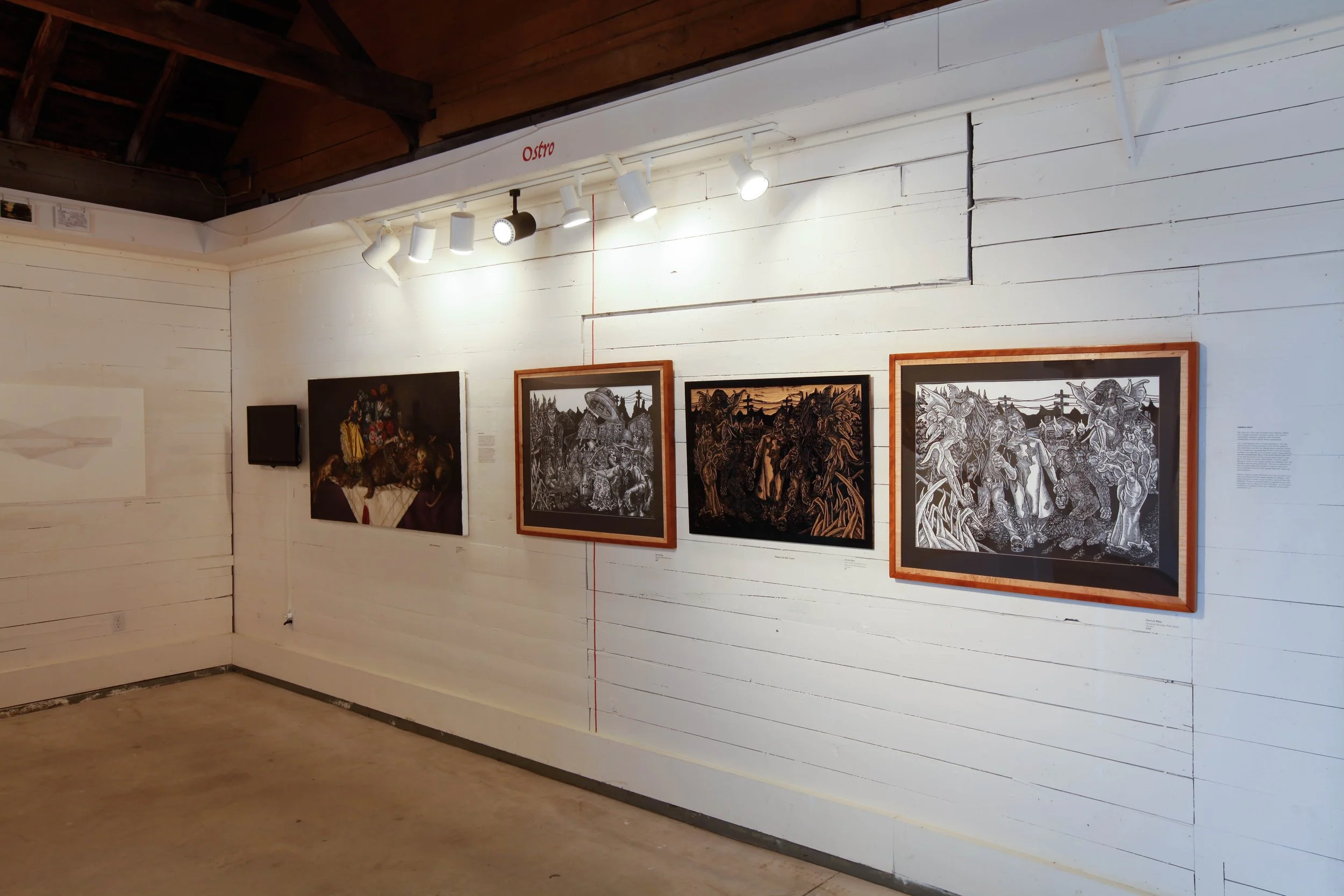
The reflection of life, both as subject and metaphor, affects how I perceive the world and how it works. Our culture is problematic, obsessive, repetitive, and controlled: consequently my work reflects these characteristics.
Life in some shape or form is mostly repetitious. Our lives revolve around societies demand to form life into patterns. The characters in my work go through some troubling actions, which is meant as a representative of life’s moral and societal problems and obstacles: such as human nature, dependencies, and self-conceitedness. Many of the issues that are dealt with in my work are issues in my life, but are constructed in a way not to limit them to only an interpretation involving myself.
My use of humor in my imagery, serves as a deterrent from the problems that are being presented. This too is a reflection of life, the images soften the problem in order to make them more acceptable, similar to how society deals with these very same problems.
Popular culture is a major influence in my work, so much of our lives are influenced by the newest gadgets and trends. I use these influences in order to give my work a sense of time and relevance. There is a universal question proposed by my work, the answer may be different for each individual. Is our culture a reflection of ourselves, or are we a reflection of the culture presented to us?
Sandra Shackelford
I want to portray people to record human history. I want to create visual fiction. I want to make things of beauty that have meaning. In forming this very basic rationale for my work, I look backto the 30s, to the Depression, to the Dust Bowl, to a time in history when the tractor revolutionized farming and sent a great swell of unemployed farmers and their families West
in search of work. It was a time of radical change. People with limited skills stood entrenched in a way of life that was suddenly outmoded. Technology had passed them by. A government agency called upon visual artists and photographers to record this era. It was their task to record people made victims by history.
In looking back on this period I discovered a framework for my art, one that was most me, combining my artistic self (literary and visual) with my great interest in and love of humanity.
In recording my "Face of America" series, I am recording the advent of the 21st Century, The Future, The New Age... portraying people in their environments: at home, at work, at play; Creating a human chronicle of the times in which I live: creating a compassionate, beautiful and thoroughly human document -- one artist's offering in a nuclear world. I want my work to say simply, "This is what I saw." "This is what I felt."
This, then, is my aesthetic. This is what my work is about.
I asked the woman who posed for this drawing what she wished for her daughter. This was her answer.
Madonna and Child
I hope she believes in God and that He loves everything. My hope is that
my child appreciates the work of her mother and has a happy life
and lives every moment with strength.
Madonna y nino
Que crean en Dios y que eles amor en todo. Mi esperanza es que mis
ninos aprecien el mundo y la madre naturaleza y que tengan una
vida feliz y que vivan cada momento con forteleza.
Christine Style
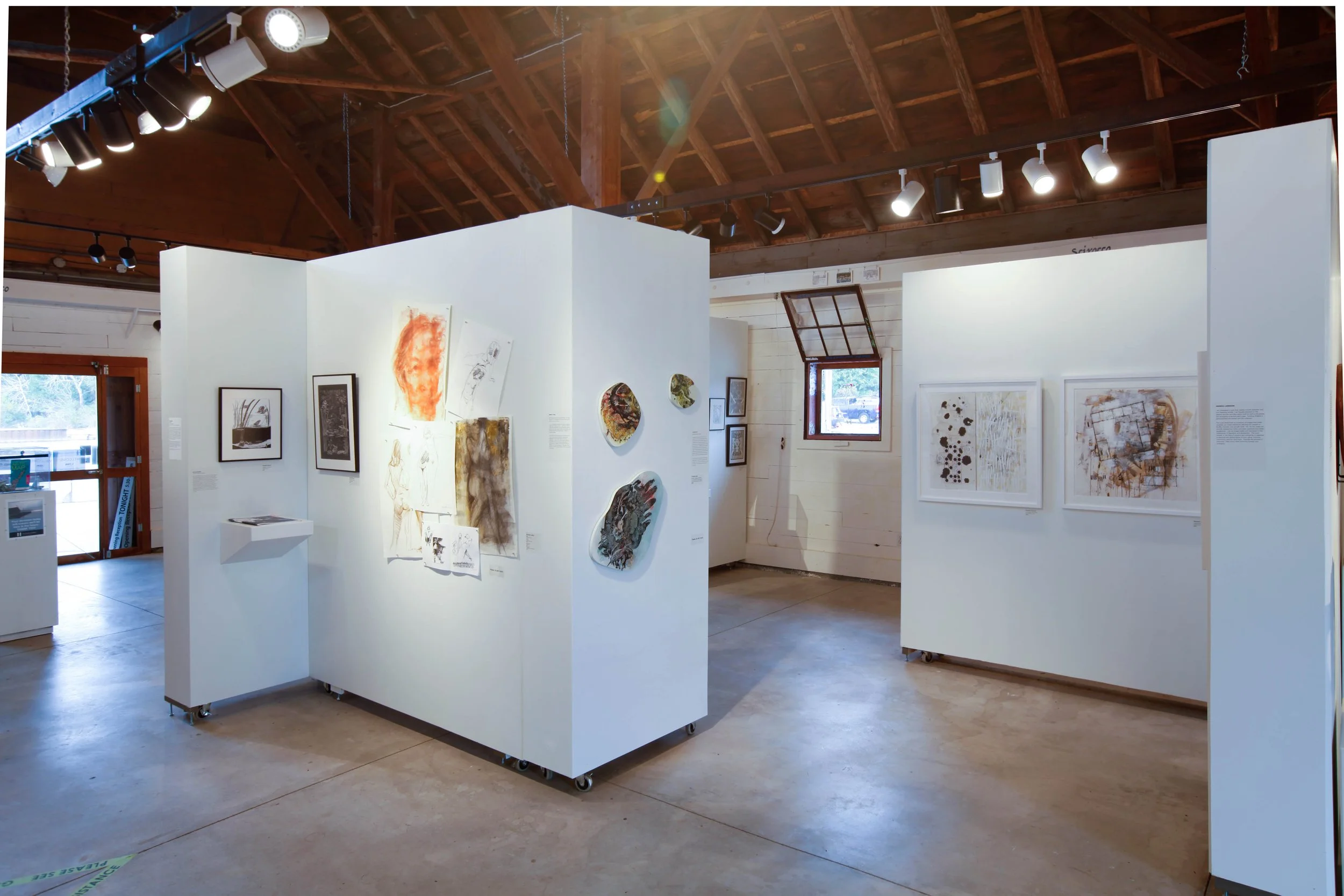
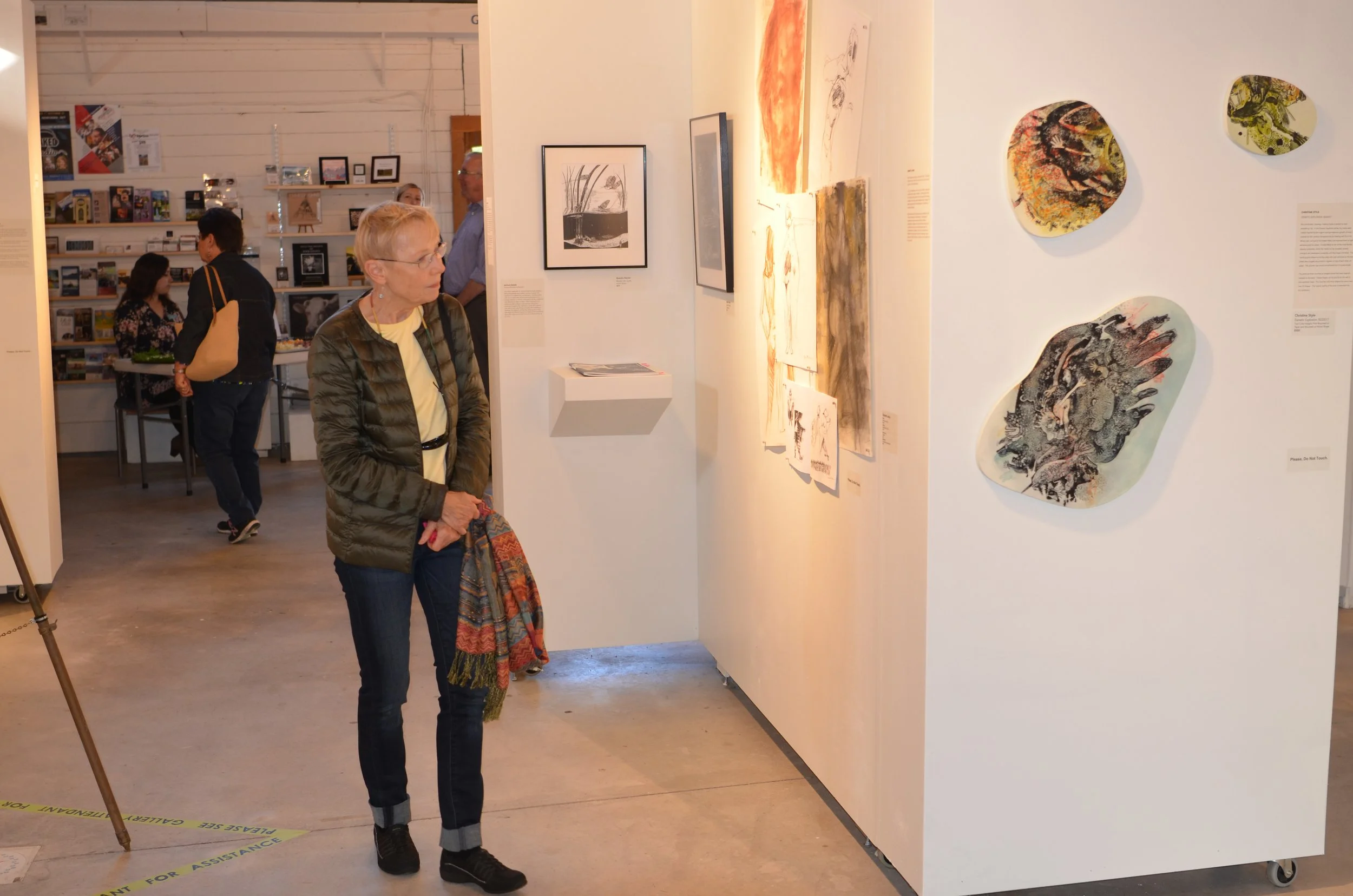
As a printmaker, drawing / making marks is central to most everything I do. In the Genetic Explosion series, my marks were initially inspired by the organic and spontaneous growth of mold. I created the film positive transparencies by drawing with Sumi ink, Micron pen, and pencil on frosted Mylar and exposed them to light-sensitive polymer plates. Frosted Mylar is one of the most flexible drawing substrates, where the marks can be revealed, erased, changed, and developed constantly until the image is finished. The resulting print allows me to then play with color and tone as the two plates (two images) are printed in register on top of each other on paper. The process may sound complicated but it is quite simple.
The prints are then mounted on shaped forms that have magnets inserted on the back. Theses shapes can be placed on the wall in non-rectilinear ways. This work has only three shapes but some have over 20 shapes. The organic quality of the work is extended into the installation.
Beau Thomas
Layers of paint create a history. In this painting I wanted to represent the very essence of illegal graffiti – signature over signature and the white paint that attempts to erase it all. The surface of the painting shows a battle of competing marks – the raw, unleashed energy of graffiti.
Arthur Thrall
For many years music has been an inspiration for my paintings and prints.
It is one of many graphic sources that has fascinated me, such as manuscripts, calligraphy, diagrams, graffiti, maps, scientific and technical charts.
I freely interpret them for their gestures and textural effects rather than literal meanings.
My ideas emerge as impressionistic motifs and arrangements that echo their essence.
With the musical themes, I consider them visual music or a kind of choreography.”
Hermke Timm
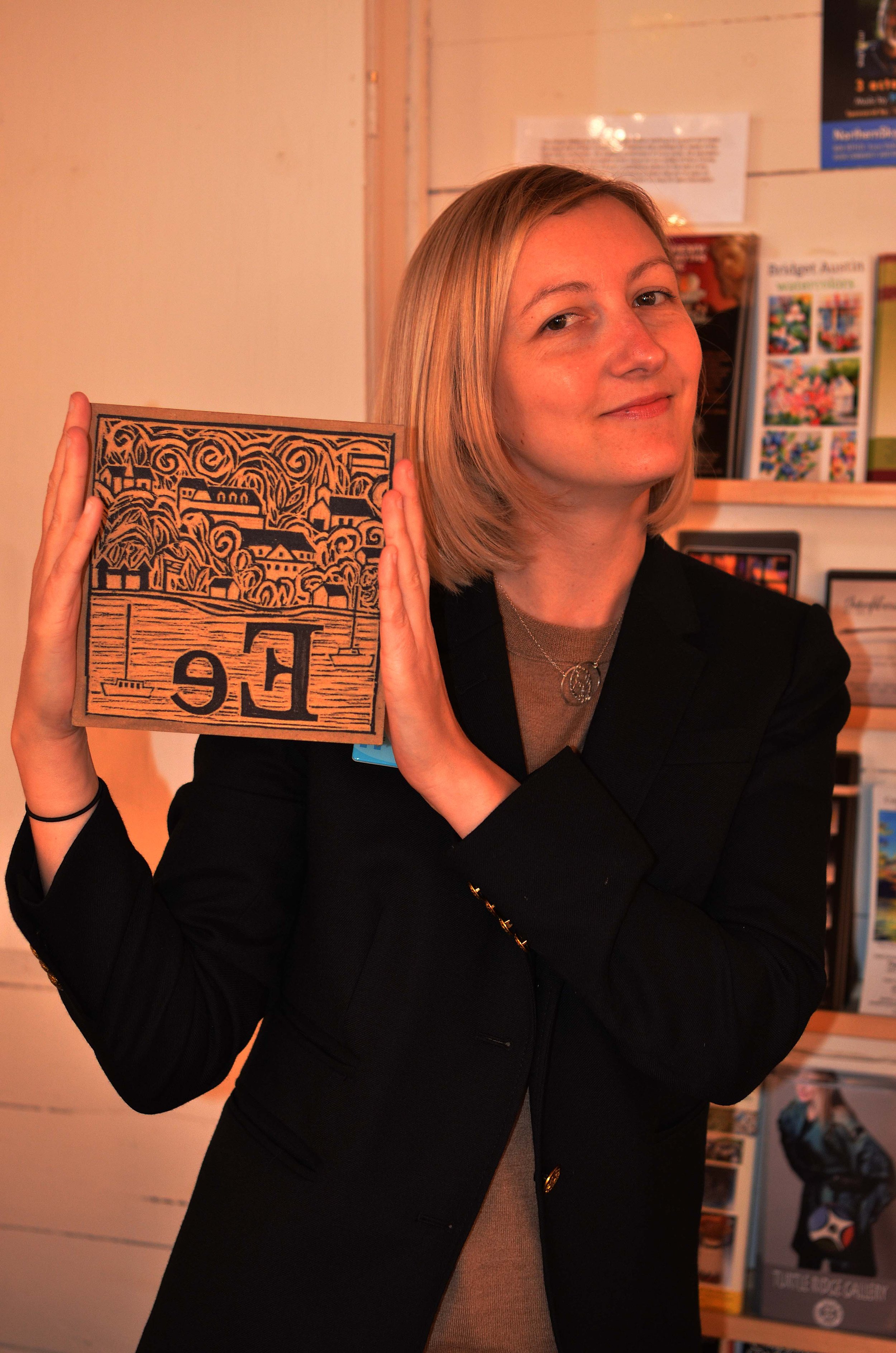
In my Engravings I like to show the variety of prints l produce. The process of engraving is very labor extensive. Inking the plate and pulling the image from the press can be exhilarating or downright frustrating. It is an ongoing learning process.
Julia Van Roo Bresnahan
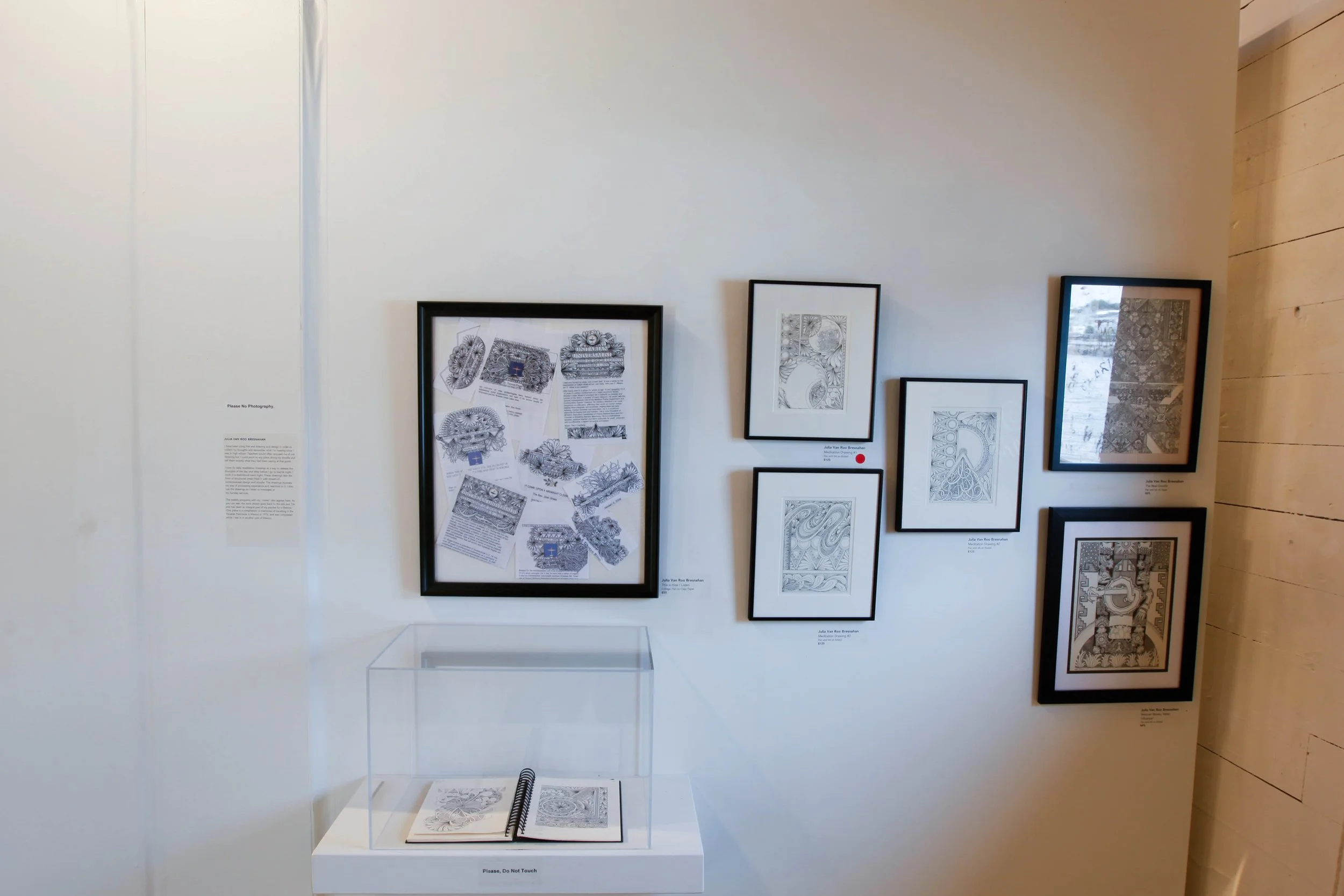
I have been using line and drawing and design in order to collect my thoughts and remember what I'm hearing since I was in high school. Teachers would often accused me of not listening but I could point to any place along my doodle and tell them exactly what they had been saying at that point.
I now do daily meditation drawings as a way to release the thoughts of the day and relax before I go to bed at night. I work in a sketchbook each night. These drawings take the form of structured areas filled in with stream-of-consciousness design and doodle. The drawings illustrate my way of processing experience and reactions to it. I also use the drawings as I listen to messages at my Sunday services.
The weekly programs with my "notes" also appear here. As you can see, the work shown goes back to the 60s and 70s and has been an integral part of my psyche for a lifetime. One piece is a compilation of memories of traveling in the Yucatán Peninsula in Mexico in 1976, and was completed while I was in in another part of Mexico.
James Wade
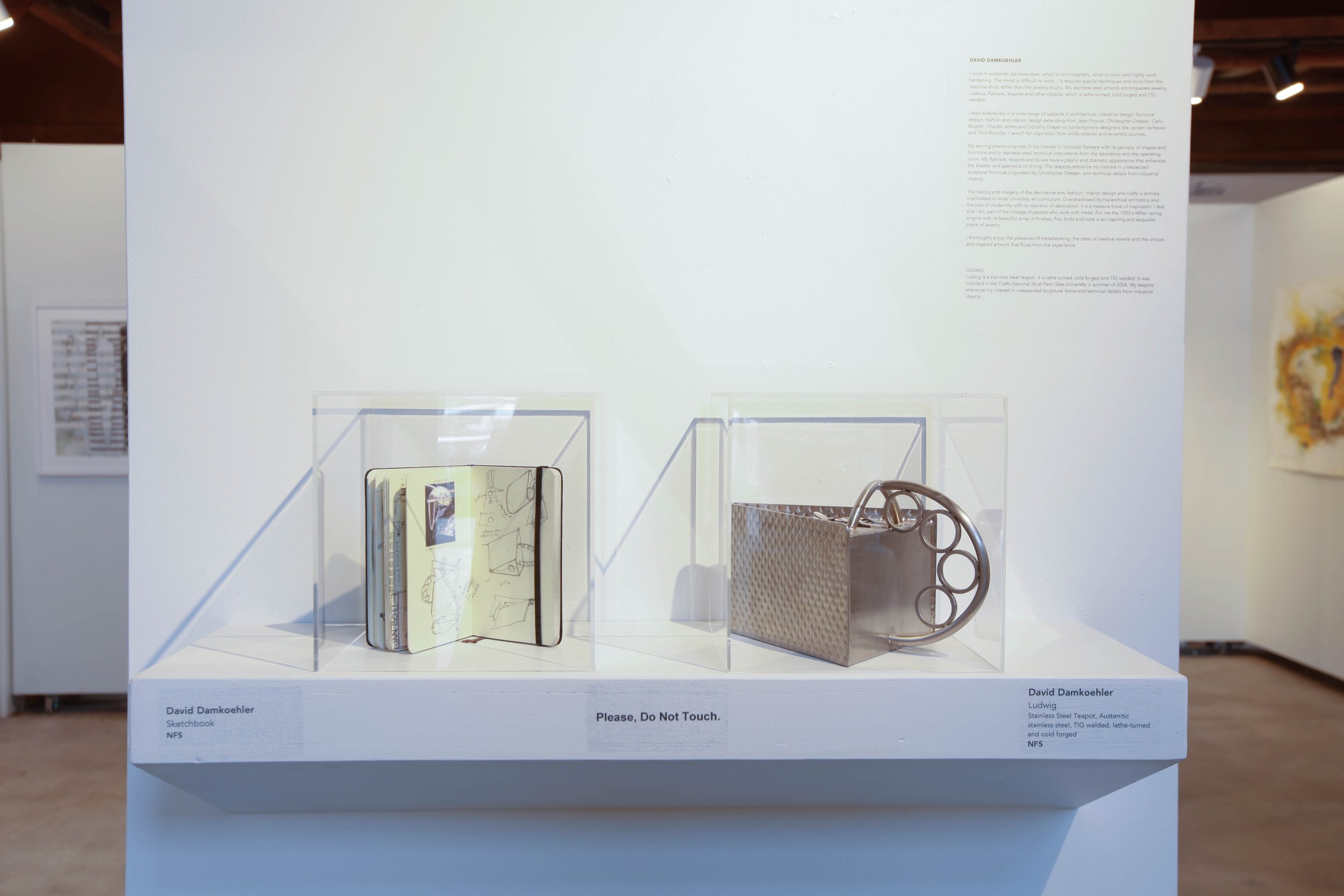
London, England, based writer Samuel Cornish well describes my work and methodology in the catalogue Iron Working Drawings. Cornish states, “James Wade sees his work as a celebration of the landscape shaped by vernacular, agricultural and industrial architecture. [He is] particularly interested in the accumulated evidence of man’s activity in these areas.”
As an artist, it is important for me to address the concept of a work in context of the material, location and intent. The appropriate material is chosen for the subject matter of the piece rather than forcing ideas into a singular, comfortable medium. I consider myself a landscape artist. My work embodies a sense of place and incorporates extensive research and observation of the locales that inspire my creativity. The sculptures and drawings address sensitivity to the land and its significance to the people who live and work within it. The works reflect the intimate nature of observation. Each is site responsive, derivative of forms found in the locational environment.
Working on several series at once is common for me, each influencing and informing the other. Digital methods of 3D printing, CNC routing and laser cutting complement historic woodworking, modeling and alternative patternmaking practices to prepare forms for metal and synthetics casting. Similarly, laser-drawing methods supplement traditional drawing practices.
Corrin Wendell
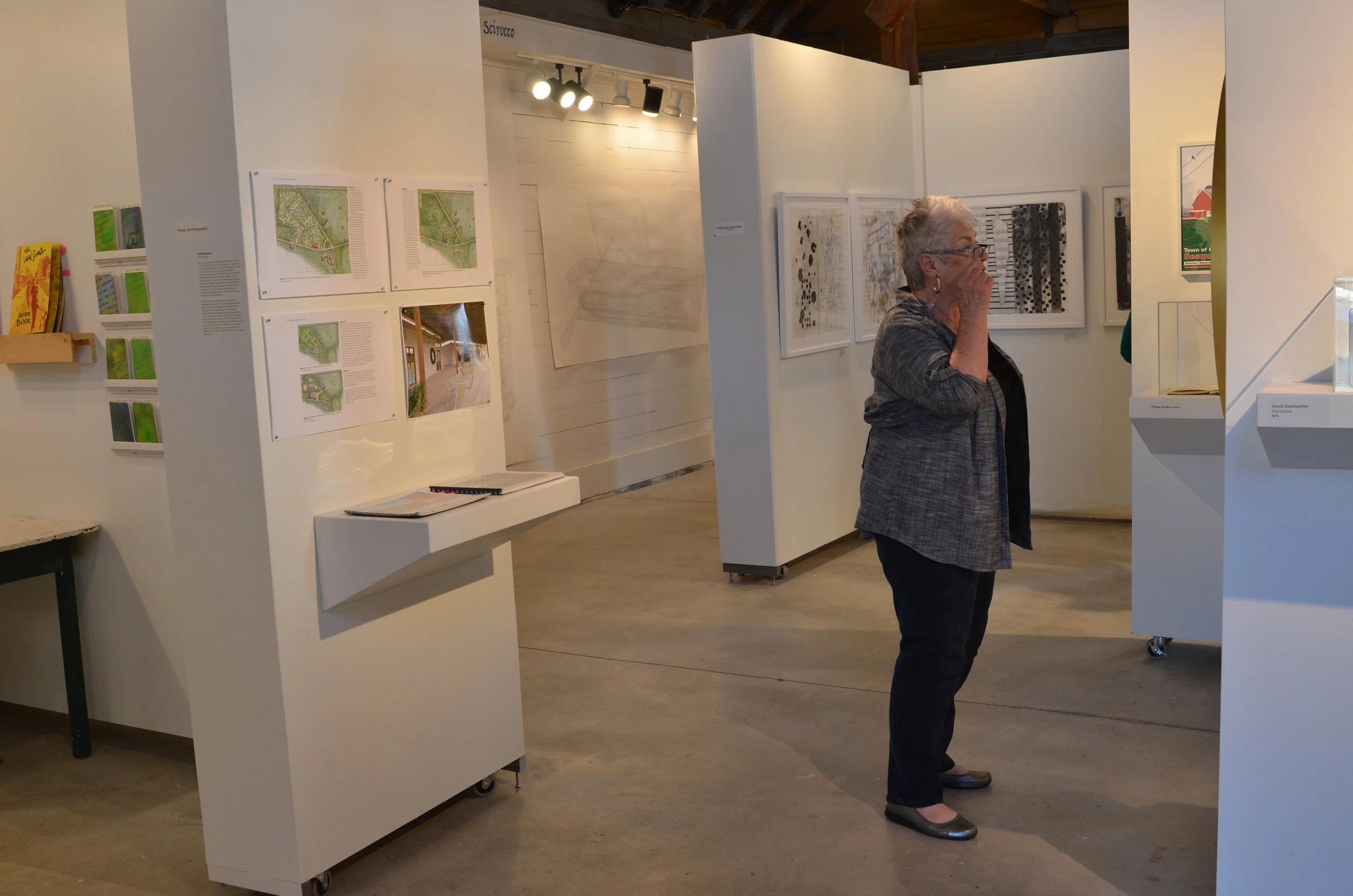
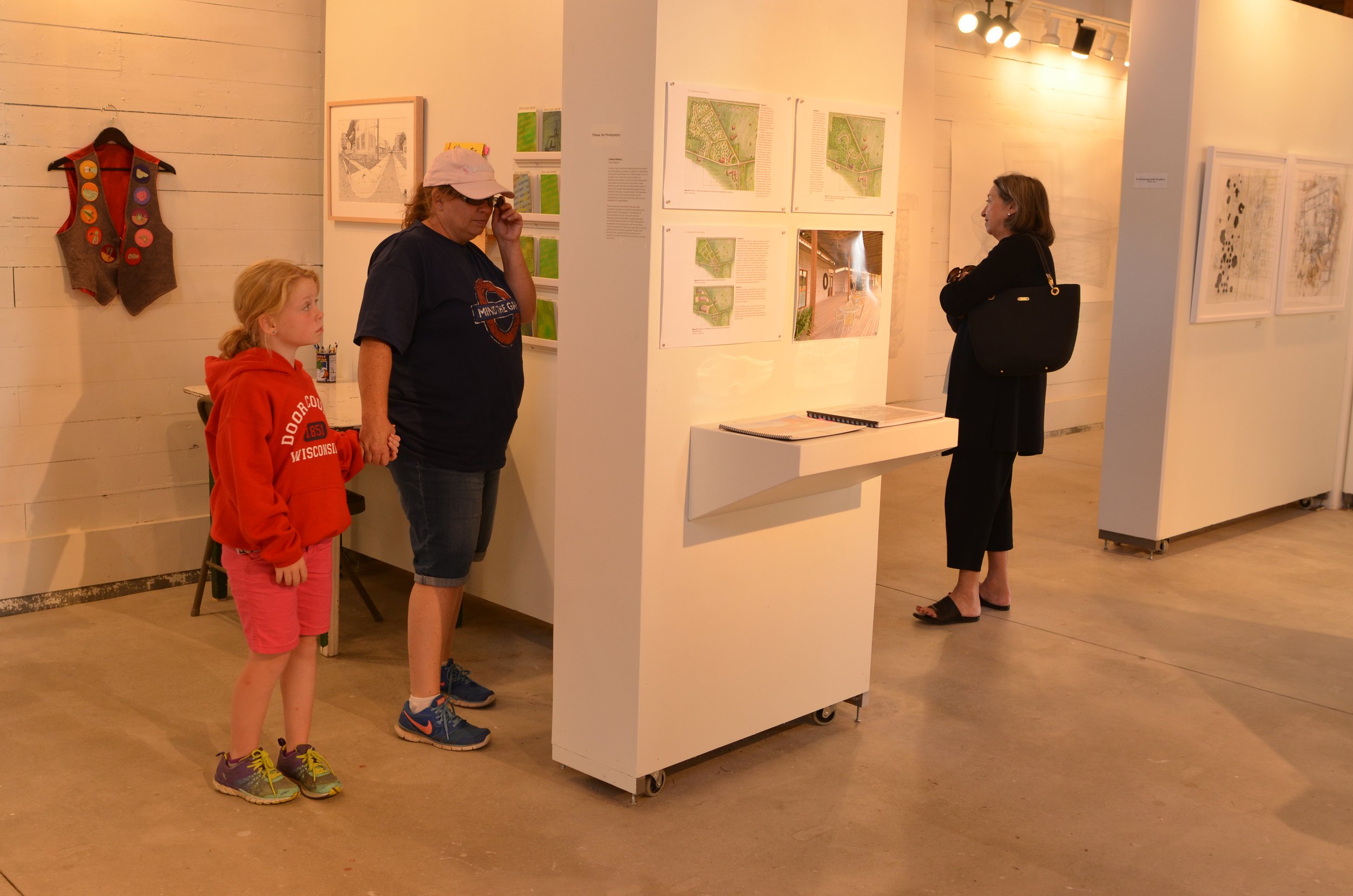
The love I had for math and drawing growing up brought me to Architecture, it was then my passion for architecture and city planning that lead me to Urban Design. For me, it was about much more than just the building, but everything surrounding it, how the building interacts with other spaces and the community as a whole. A piece within the puzzle. The practice of urban design gives me the ability to visualize urban planning through visionary illustrations that depict a possible future. The illustrations provide the vision, the diagrams provide tools for understanding, and the plan and zoning code provide a mechanism for implementation.
My work examines the possible in the seemingly impossible, the potential of growth in the absence, the power of hope in the hopeless. In the aftermath of Hurricane Katrina, the gulf coast communities of Mississippi faced the impossible, imagining what their communities would look like in the future. Through the development of community plans, with local resident voices, these areas full of destruction were able to see that growing and thriving was a possibility. Through other bodies of work, opportunity sites are analyzed and illustrated to imagine how the built environment could be transformed.
